
Last Updated on 18 August 2026 by Greg Brookes
These 3 kettlebell ab workouts for beginners progress from simple, controlled exercises to more demanding full-body movements.
Rather than choosing random abdominal exercises, I prefer to build core training around movements that teach you to control the kettlebell while the hips, trunk and shoulders work together.
Start with Workout 1. Once the exercises feel controlled and you can complete the rounds without your technique deteriorating, move on to Workout 2 and then Workout 3.
Which Kettlebell Ab Workout Should a Beginner Start With?
Start with Workout 1 if you are new to kettlebells. It combines the Slingshot with the Single Arm Deadlift so you can get comfortable handling the kettlebell while learning to brace the trunk and move from the hips. Progress to the Swing in Workout 2, then add the Half Turkish Get Up in Workout 3.

How the 3 Beginner Workouts Progress

Easy Kettlebell Ab Workout for Beginners
The first workout uses the Kettlebell Slingshot and Single Arm Deadlift.
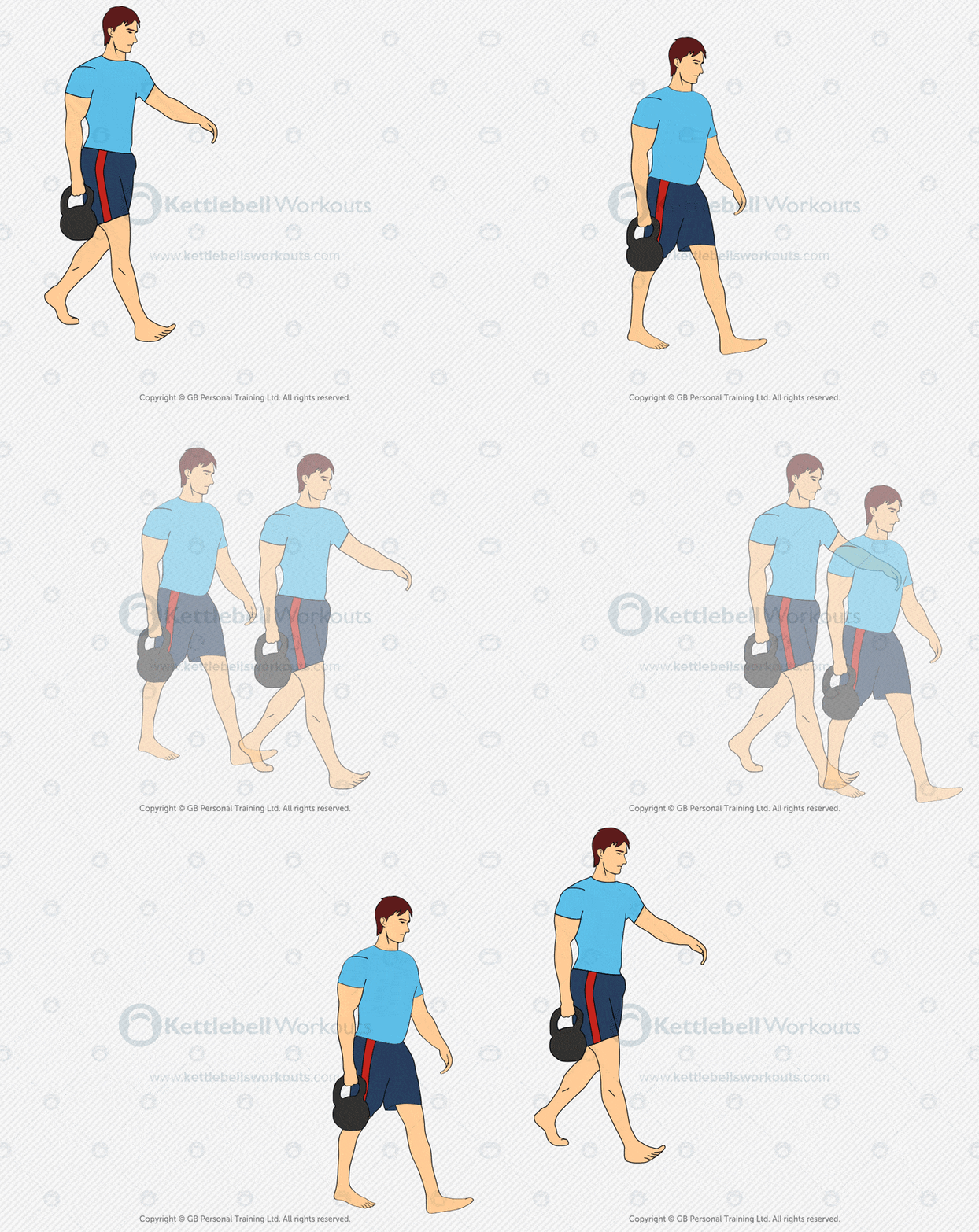
The Slingshot is useful early on because you have to keep the trunk organised while passing the kettlebell around the body. The Deadlift then teaches you to produce movement from the hips while resisting the tendency to twist towards the weight.
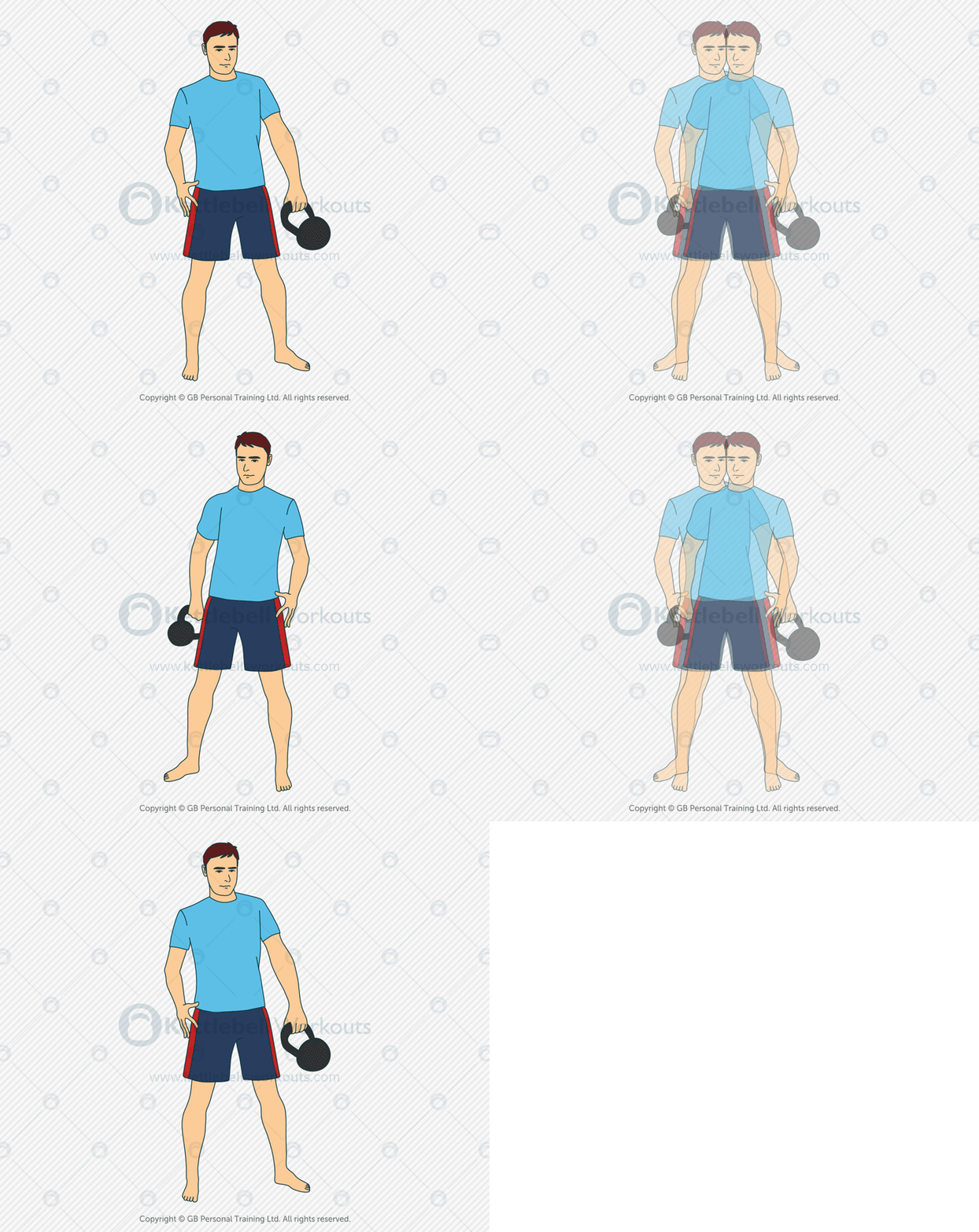
Kettlebell Slingshot
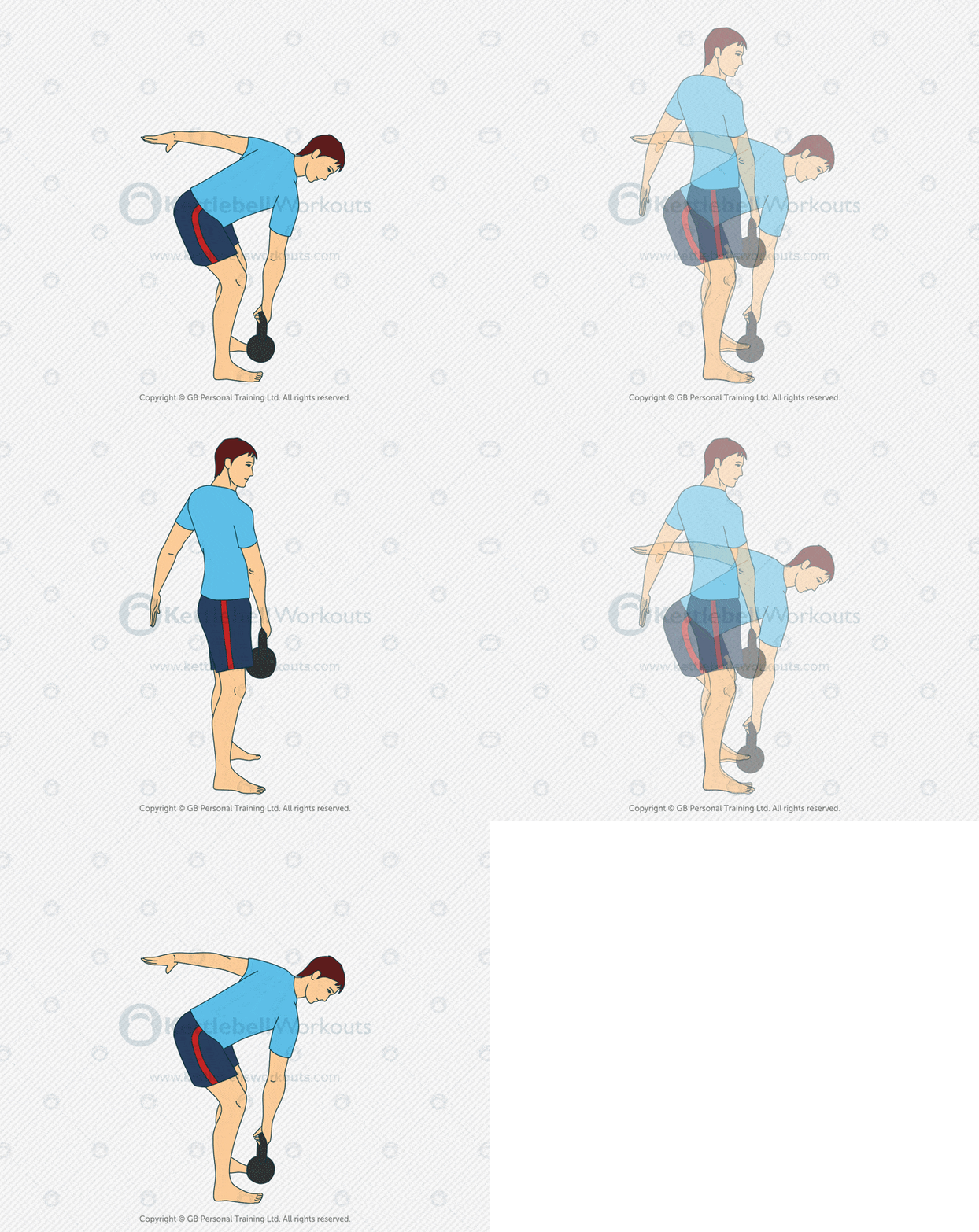
Single Arm Kettlebell Deadlift
Workout 1
- Slingshot clockwise: 30 seconds or about 20 passes
- Slingshot anti-clockwise: 30 seconds or about 20 passes
- Single Arm Deadlift left: 8 to 12 controlled reps
- Single Arm Deadlift right: 8 to 12 controlled reps
- Rest 45 to 90 seconds
- Repeat for 2 to 4 rounds
Move smoothly from one exercise to the next, but do not turn the workout into a race. Your priority is to keep the trunk controlled during the Slingshot and maintain the same hip-hinge position on every Deadlift.
Kettlebell Swing and Slingshot Ab Workout
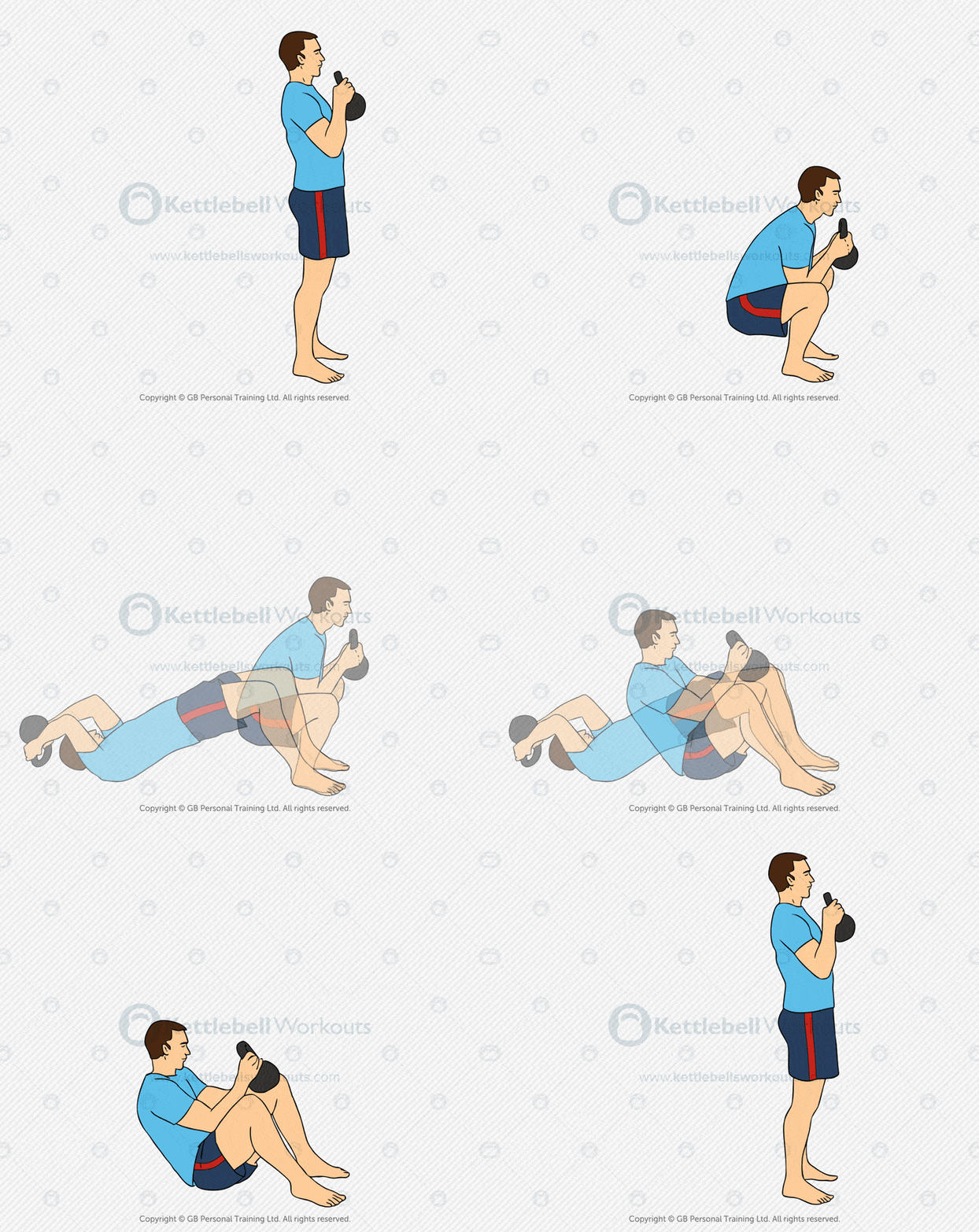
Workout 2 introduces the Two-Handed Kettlebell Swing.
The Swing is not a traditional abdominal exercise, but your trunk has an important role in transferring force between the hips and upper body while keeping the torso controlled. This is one reason kettlebell training can develop the core without relying on repeated crunching movements.
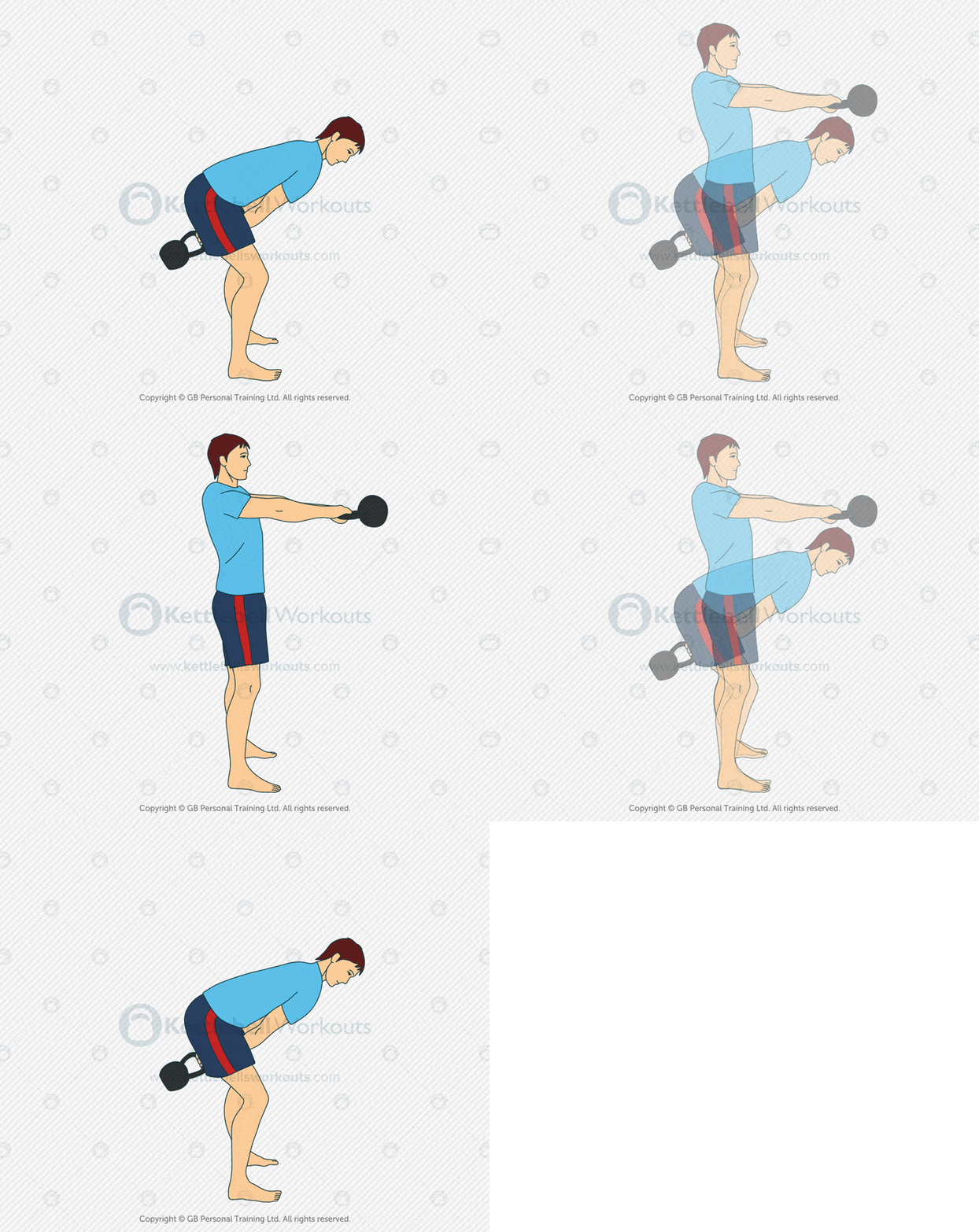
Two-Handed Kettlebell Swing
Kettlebell Slingshot
Workout 2
- Two-Handed Swing: 10 reps
- Slingshot clockwise: 30 seconds or about 20 passes
- Slingshot anti-clockwise: 30 seconds or about 20 passes
- Rest 45 to 90 seconds
- Repeat for 3 to 5 rounds
Keep the Swing sets short enough that every repetition looks the same. If the kettlebell starts being lifted with the arms, the hinge becomes shallow or you lose control of the top position, end the set.
Kettlebell Swing and Half Turkish Get Up Workout
The final workout pairs the Swing with the Half Turkish Get Up. This changes the challenge considerably. The Swing is fast and powerful, while the Half Get Up is slow and controlled.
The Half Get Up requires you to stabilise the kettlebell overhead while moving through the trunk and hips. It is a useful stepping stone towards the full Turkish Get Up, but there is no need to rush to the full movement.
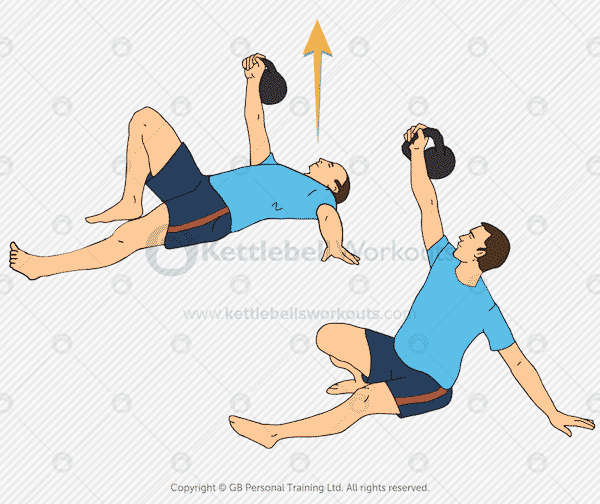
Half Turkish Get Up
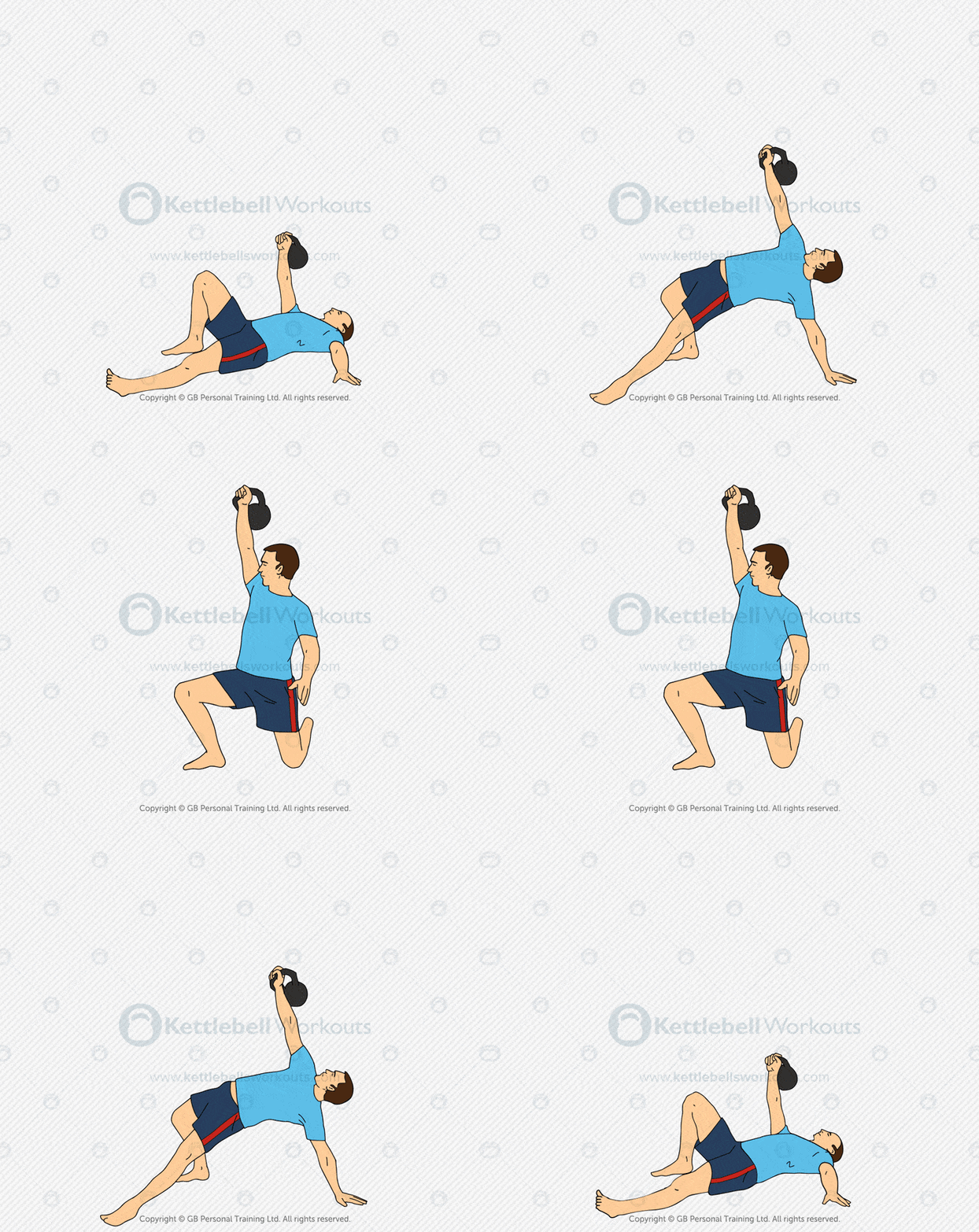
Full Turkish Get Up progression
Workout 3
- Two-Handed Swing: 10 to 15 reps
- Half Turkish Get Up left: 3 controlled reps
- Half Turkish Get Up right: 3 controlled reps
- Rest 60 to 90 seconds
- Repeat for 3 to 5 rounds
Use a kettlebell that you can keep stable throughout every Half Get Up repetition. The goal is not to make the movement exhausting. You should feel in control of the shoulder, trunk and kettlebell at every stage.
How Often Should Beginners Do These Kettlebell Ab Workouts?
For most beginners, 2 to 3 sessions per week is plenty, particularly if these workouts are being added to other strength, walking, cardio or kettlebell training.
You do not need to perform all 3 workouts in the same week. Treat them as levels. Spend time with one workout until it feels familiar, then progress when your technique remains consistent.
How to Make the Workouts Harder
Beginners often assume the next step is simply to use a heavier kettlebell. That is only one option.
A better progression is usually:
- Improve the quality and consistency of every repetition.
- Add a round if the existing volume feels comfortable.
- Reduce unnecessary rest while maintaining technique.
- Increase repetitions modestly.
- Increase the kettlebell weight only when the movement remains unchanged.
If you are unsure about your starting load, see my beginner kettlebell weight guide.
Where to Go Next
These workouts are deliberately simple. If you want a broader exercise library, more complete beginner training or more detailed core work, use the guides below rather than adding more exercises to these routines.
Frequently Asked Questions
Are kettlebells good for beginner ab workouts?
Yes. Kettlebell exercises can challenge the trunk while you hinge, carry, rotate around the body or stabilise the weight. Beginners should start with simple exercises and prioritise control rather than trying to make every workout exhausting.
Which kettlebell exercise is best for beginner abs?
There is no single best exercise. I like the Slingshot and Deadlift as an introduction because they teach kettlebell handling, trunk control and the hip hinge before progressing to faster or more complex movements.
How many times per week should I train my core with kettlebells?
For most beginners, 2 to 3 sessions per week is enough when combined with normal full-body training. More is not automatically better, especially while you are still learning the exercises.
Should beginners do Turkish Get Ups?
Beginners can learn the movement gradually. I prefer starting with a Half Turkish Get Up and using a light, controllable kettlebell before progressing to the full exercise.
Will kettlebell ab workouts reduce belly fat?
Ab exercises strengthen the muscles of the trunk, but they cannot selectively remove fat from the stomach. Changes in body fat depend on your overall energy balance, nutrition and total activity rather than one specific abdominal exercise.

Thanks! And my abs thank you!