
Last Updated on 20 August 2026 by Greg Brookes
Kettlebells can train every major muscle group, but most good kettlebell exercises do not work one muscle in isolation.
A swing may be driven by the glutes and hamstrings, but your trunk, grip and upper back also have work to do. A clean and press involves the hips, legs, core, shoulders and triceps. That full-body integration is one of the main reasons kettlebell training is so useful.
This guide organises the best kettlebell exercises by muscle group so you can quickly find movements for the area you want to strengthen, then follow the links into the more detailed specialist guides.
Think in movements as well as muscles. Squats and lunges emphasise the legs, hinges train the glutes and hamstrings, rows develop pulling strength, and presses train the shoulders and triceps. The muscles rarely work alone.
Which Muscles Do Kettlebell Exercises Work?
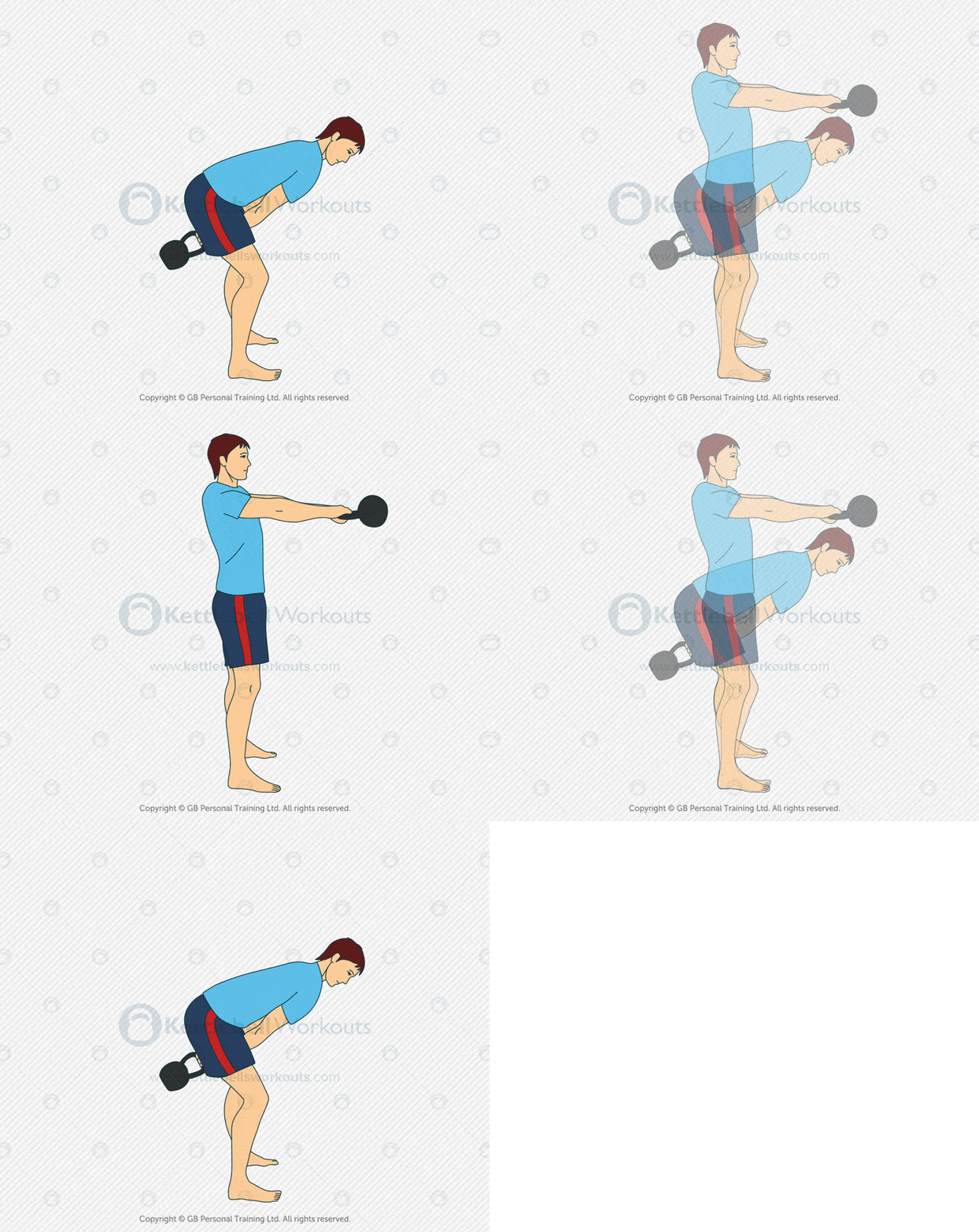
Kettlebell Exercises for Glutes
Your glutes are major hip extensors and play an important role in producing power, controlling the pelvis and supporting single-leg movement.
Kettlebell hinge exercises are particularly useful here because they load the hips dynamically without requiring a machine.
- Two-handed swing for explosive hip extension.
- Kettlebell deadlift for controlled hip-hinge strength.
- Single-leg deadlift for unilateral hip strength and balance.
- Racked reverse lunge for glutes plus single-leg control.
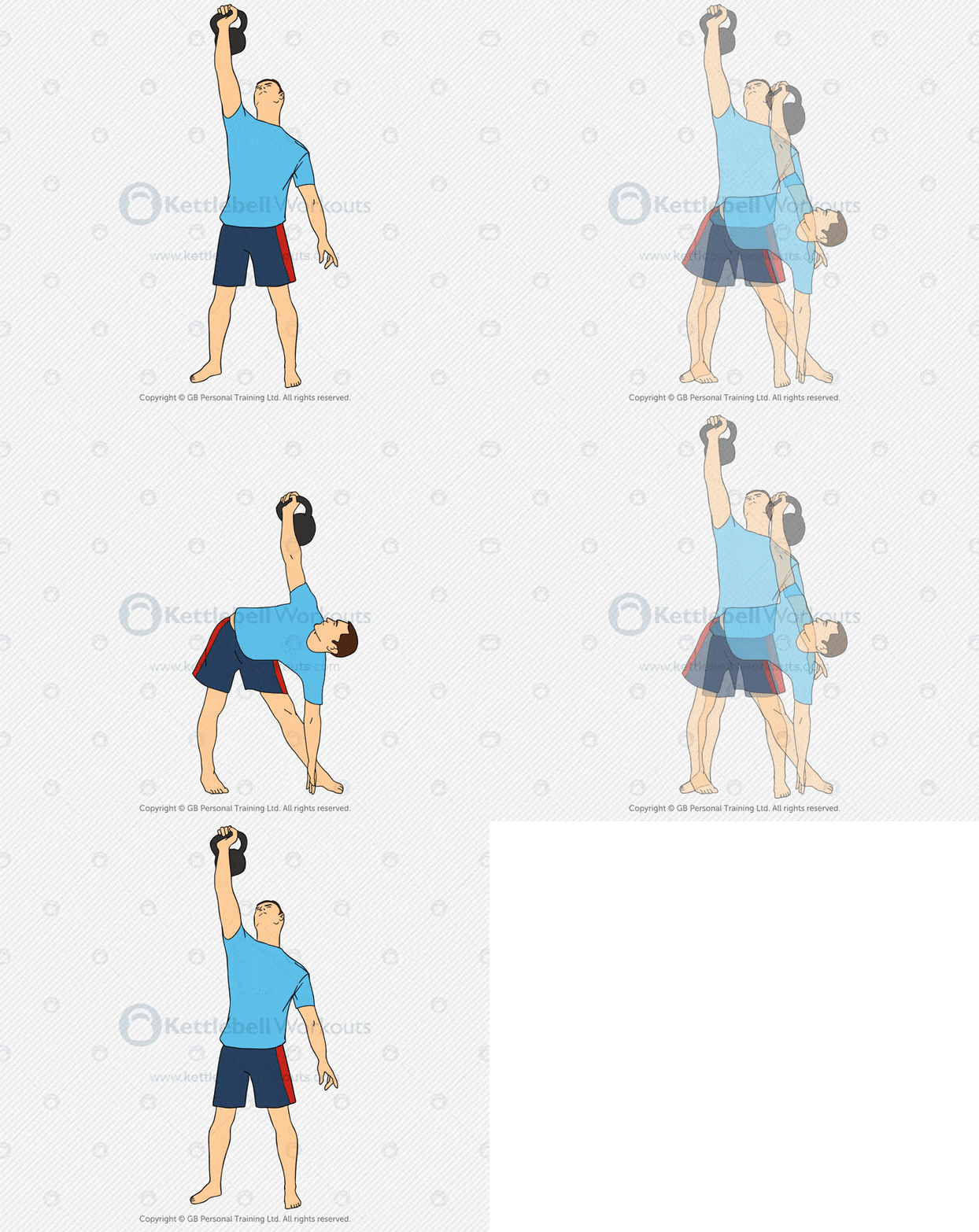
Kettlebell Ab and Core Exercises
Good core training is not only about flexing the spine. Your trunk also has to resist extension, rotation and side bending while transferring force between the upper and lower body.
- Windmill for obliques, hip mobility and shoulder control.
- Turkish Get Up for full-body trunk stability and coordination.
- Sit and Press for controlled abdominal loading.
- Suitcase carry for resisting side bending while walking.
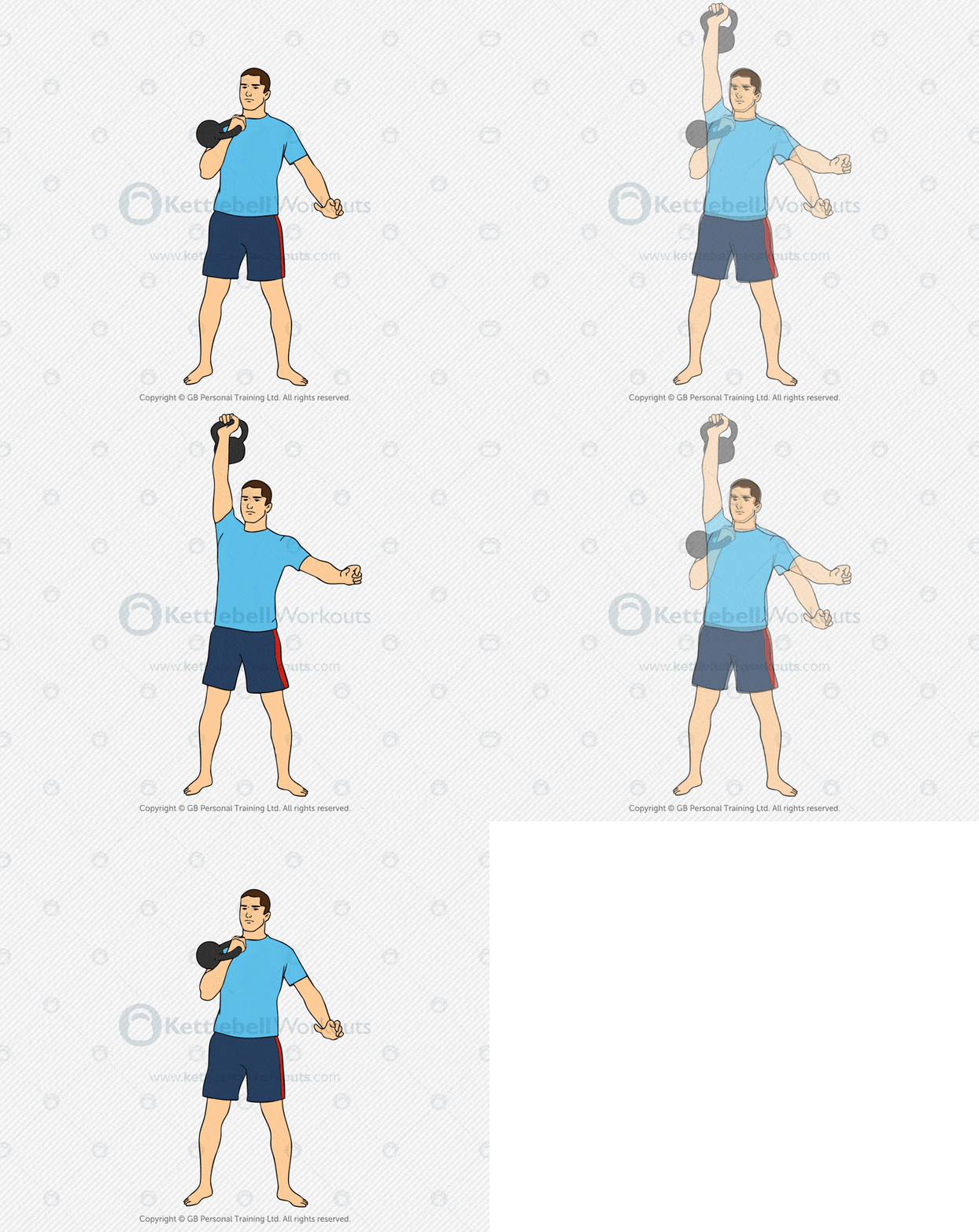
Kettlebell Shoulder Exercises
The shoulder has to create movement while remaining stable. Kettlebells are particularly useful because the load sits outside the hand and asks the shoulder to control the bell as well as move it.
- Overhead press for foundational pressing strength.
- High pull for dynamic shoulder and upper-back work.
- Windmill for overhead stability and controlled mobility.
- Bottoms-up press for grip-driven shoulder control.
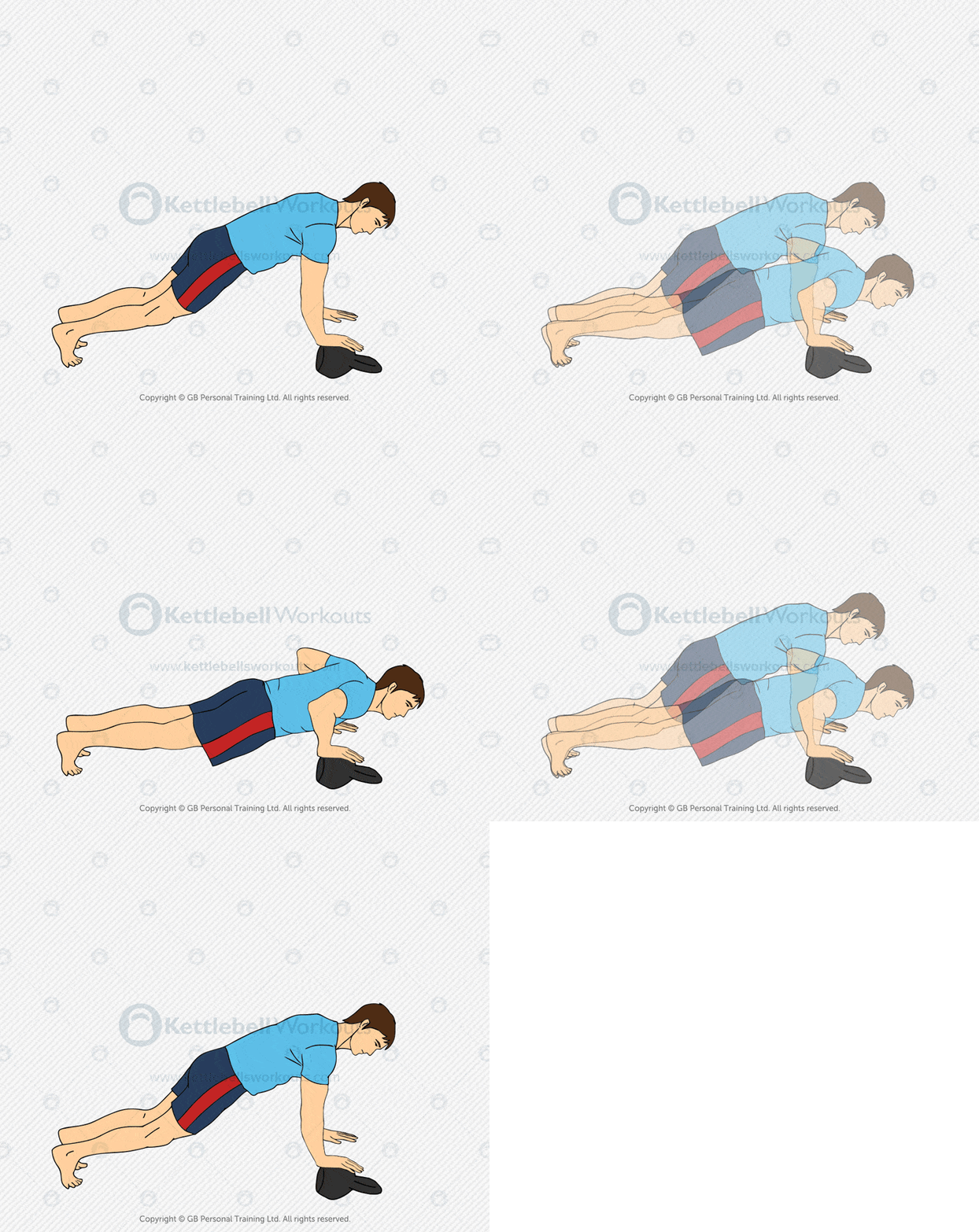
Kettlebell Chest Exercises
Kettlebells are not the obvious tool for chest isolation, but they work very well for pressing patterns that combine chest strength with shoulder and trunk stability.
- Kettlebell push-up for chest and triceps with added instability.
- Kettlebell floor press for horizontal pressing strength.
- Squeeze press for increased chest tension with a light kettlebell.
- Close-grip push-up for chest and triceps.
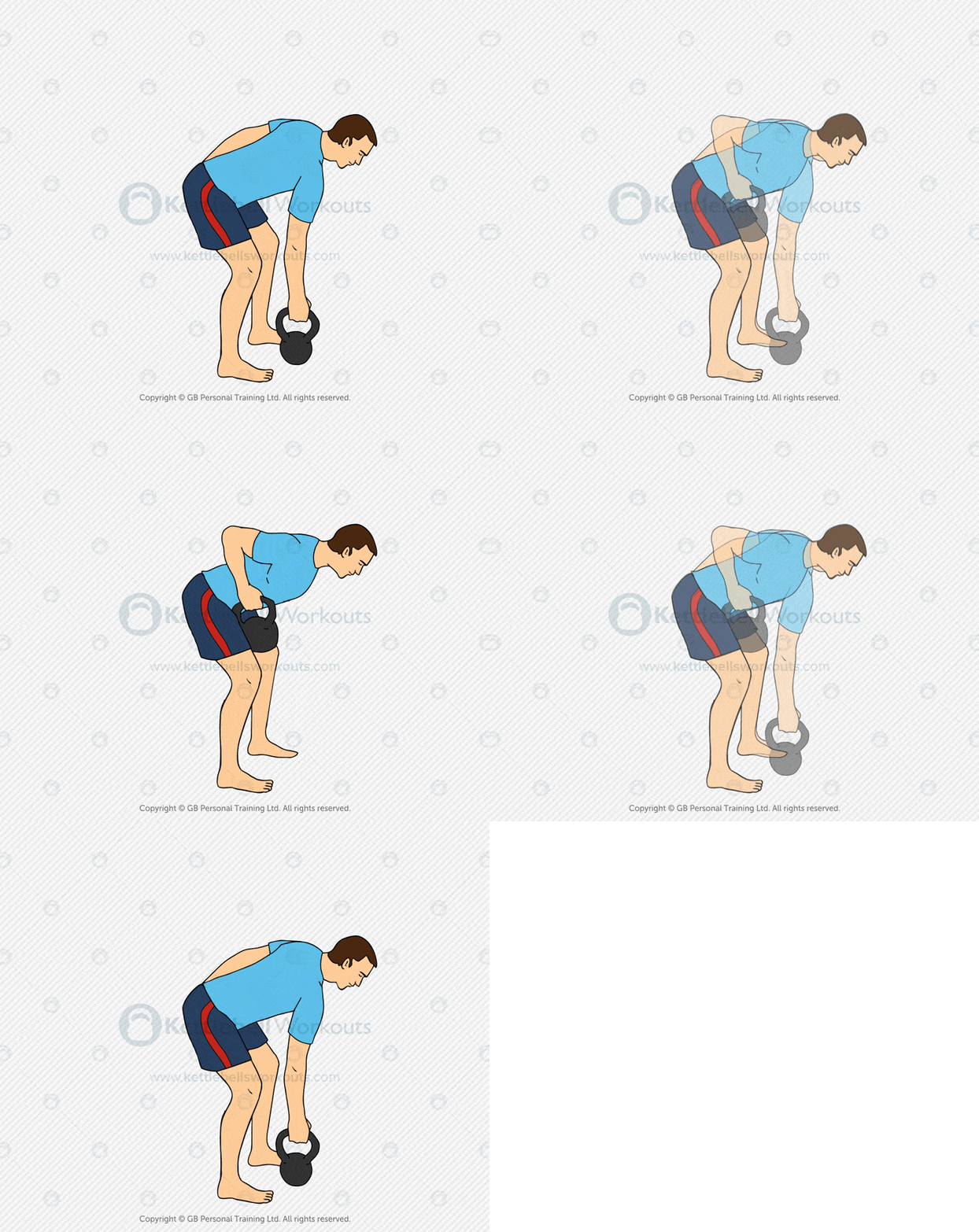
Kettlebell Back Exercises
Back training with kettlebells is mostly about rowing and pulling while the trunk and hips maintain a strong position.
- Bent-over row for straightforward horizontal pulling strength.
- Renegade row for the back plus anti-rotation core control.
- Suitcase row for a stable unilateral pulling variation.
- High pull for dynamic upper-back work.
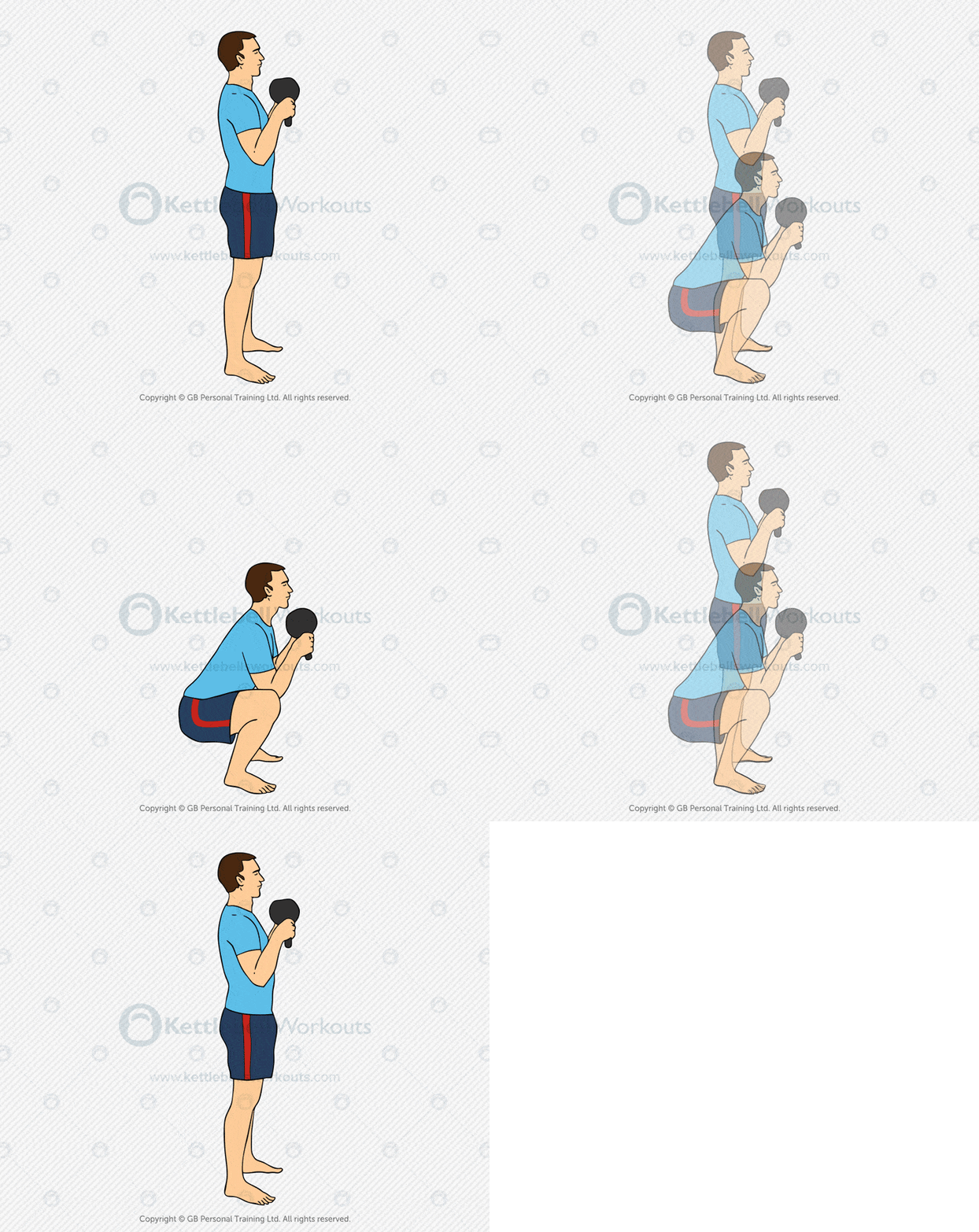
Kettlebell Quad Exercises
Your quadriceps are heavily involved in knee-dominant movements such as squats, lunges and step patterns. Kettlebells make it easy to load these movements without needing a barbell rack.
- Goblet squat for accessible squat strength and depth.
- Racked squat for greater loading and trunk demand.
- Double lunge for repeated knee-dominant work.
- Bulgarian lunge for single-leg quad and glute strength.
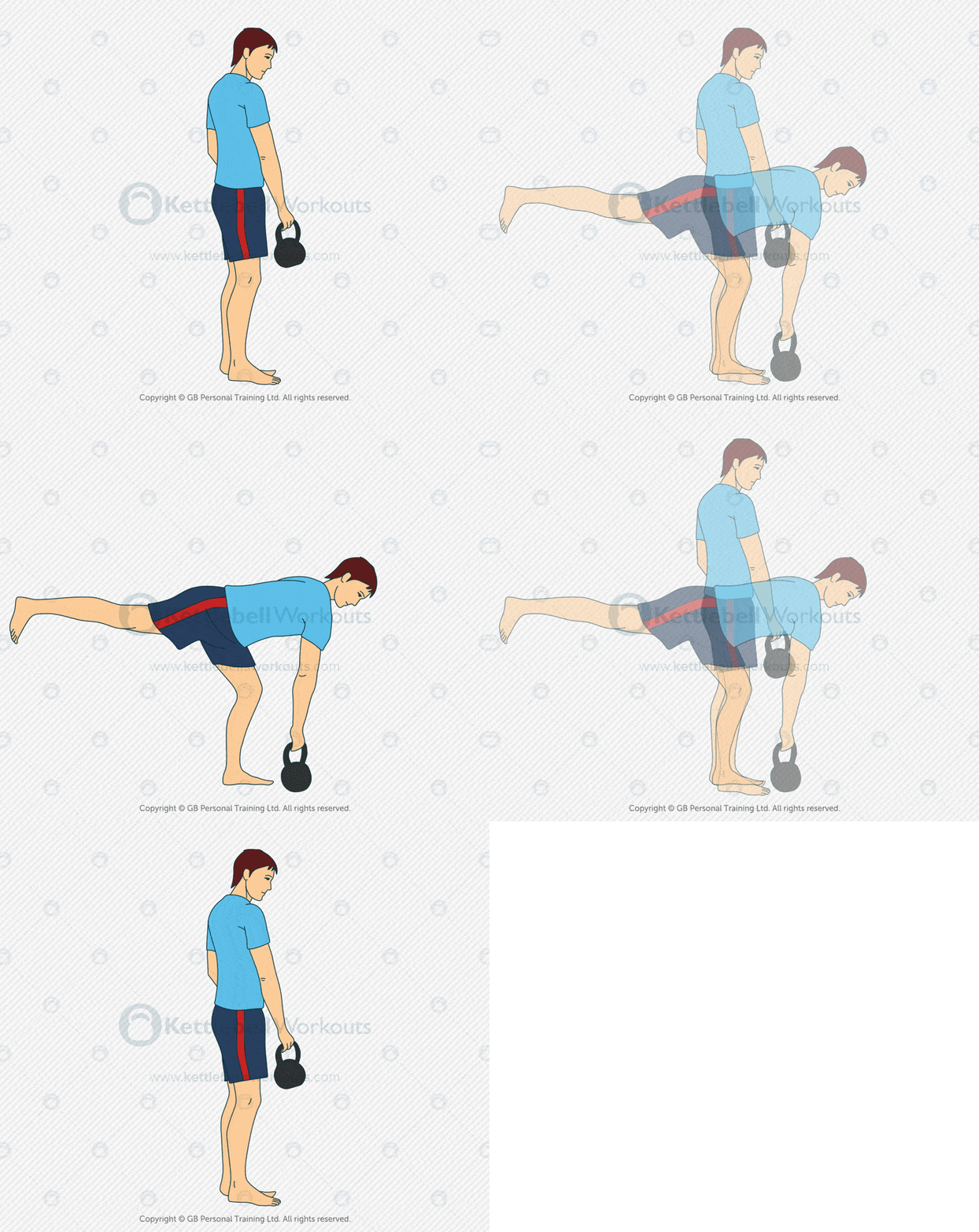
Kettlebell Hamstring Exercises
The hamstrings work strongly during hip-hinge exercises, especially when you control the eccentric lowering phase rather than simply chasing speed.
- Single-leg deadlift for unilateral hamstring strength and balance.
- Kettlebell deadlift for a simple bilateral hinge.
- Single-arm swing for dynamic hip extension.
- Hip thrust for glute and hamstring extension strength.

Kettlebell Exercises for Arms and Triceps
The triceps work during overhead presses, push presses, floor presses and push-ups. The biceps contribute during rows, cleans and other pulling movements, while almost every kettlebell exercise challenges the forearms and grip.
- Push press for triceps plus shoulder power.
- Strict overhead press for controlled elbow extension.
- Close-grip kettlebell push-up for triceps and chest.
- Rows and cleans for biceps, forearms and grip.
How to Build a Balanced Full-Body Kettlebell Session
If your goal is general strength rather than specialising in one muscle group, choose exercises from different movement patterns rather than trying to train every muscle separately.
Do not choose exercises only by muscle name. A technically poor movement does not become useful simply because it targets the area you want to train. Select exercises you can perform well, then increase load, repetitions, sets or complexity gradually.
Kettlebell Muscle Group FAQs
What muscles can I train with kettlebells?
You can train every major muscle group with kettlebells, including the glutes, quads, hamstrings, chest, back, shoulders, arms and core. Most kettlebell exercises are compound, so several areas usually work together.
Which muscles do kettlebell swings work?
The swing is primarily a hip-hinge exercise. The glutes and hamstrings drive the movement, while the trunk, grip and upper back stabilise the kettlebell and body.
Can kettlebells build muscle?
Yes. Muscle growth requires sufficient resistance, progressive overload, appropriate training volume and recovery. Kettlebells can provide all of those when the exercise selection and loading suit the goal.
Can I isolate muscles with kettlebells?
You can emphasise particular muscles, but kettlebells are generally strongest as a compound training tool. Rows, presses, squats, lunges, hinges and carries usually provide more value than trying to isolate every muscle individually.
How often should I train each muscle group?
That depends on your training volume, intensity, experience and recovery. Rather than chasing a fixed frequency for every muscle, organise your week so that hard sessions are followed by enough recovery to maintain good performance.
What kettlebell weight should I use for each muscle group?
Choose the load according to the exercise and your ability to control it. Large lower-body movements can usually use more weight than overhead or highly technical exercises. Technique should determine the practical load, not a fixed male/female recommendation.
Want the Full Exercise Library?
This page organises exercises by the muscles they emphasise. For broader collections, see my Kettlebell Exercises for Upper Body and Kettlebell Exercises for Legs guides.
For the complete movement library, including technique links and exercise variations, see my 52 Kettlebell Exercises guide.


Comments