
Last Updated on 20 August 2026 by Greg Brookes

Strong shoulders need more than just overhead presses.
The shoulder has to provide a large range of movement while also keeping the upper arm controlled in the joint. That is why I like to develop overhead stability first, then add more dynamic and demanding pressing.
The 10 exercises below progress from holding and controlling a kettlebell overhead to strict, dynamic and advanced pressing variations. You do not need to use all 10. Choose the exercise that matches the quality you are trying to improve.
If an overhead position causes pain, do not force the range or simply add more weight. Use a comfortable variation and get persistent shoulder pain assessed rather than training through it.
Before You Start Pressing
I use a simple progression with shoulder training: first own the overhead position, then load it.
| Exercise | Main Purpose | Level | Training Style |
|---|---|---|---|
| Overhead Hold | Overhead stability | Beginner | Static hold |
| Windmill | Shoulder control + mobility | Beginner to intermediate | Slow stability |
| Turkish Get-Up | Multi-angle shoulder stability | Intermediate | Full-body control |
| Push Press | Assisted overhead strength | Intermediate | Dynamic press |
| Thruster | Full-body pressing power | Intermediate | Squat + press |
| Sit and Press | Shoulders + core | Intermediate | Two-handed press |
| Clean and Press | Full-body strength | Intermediate | Ballistic + press |
| Overhead Press | Strict shoulder strength | Intermediate | Strict press |
| Half Kneeling Press | Pressing + trunk control | Intermediate | Strict press |
| Bottoms-Up Press | Grip + shoulder stability | Advanced | Unstable press |
Stability and Overhead Control
These first 3 exercises teach you to control a kettlebell overhead before adding lots of pressing repetitions.
Straight Arm Overhead Kettlebell Hold
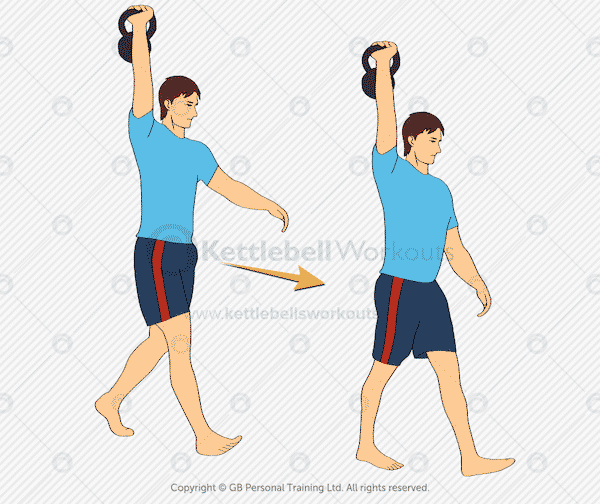
This is where I like to begin. The goal is not to press the kettlebell repeatedly but to learn how to maintain a strong overhead position.
Keep the wrist stacked, arm straight and ribs controlled. Start from half kneeling or standing, then progress to walking once the overhead position feels secure.
Practice: build from 15 to 30 seconds on each side. Longer holds are only useful while the position remains strong.
Kettlebell Windmill
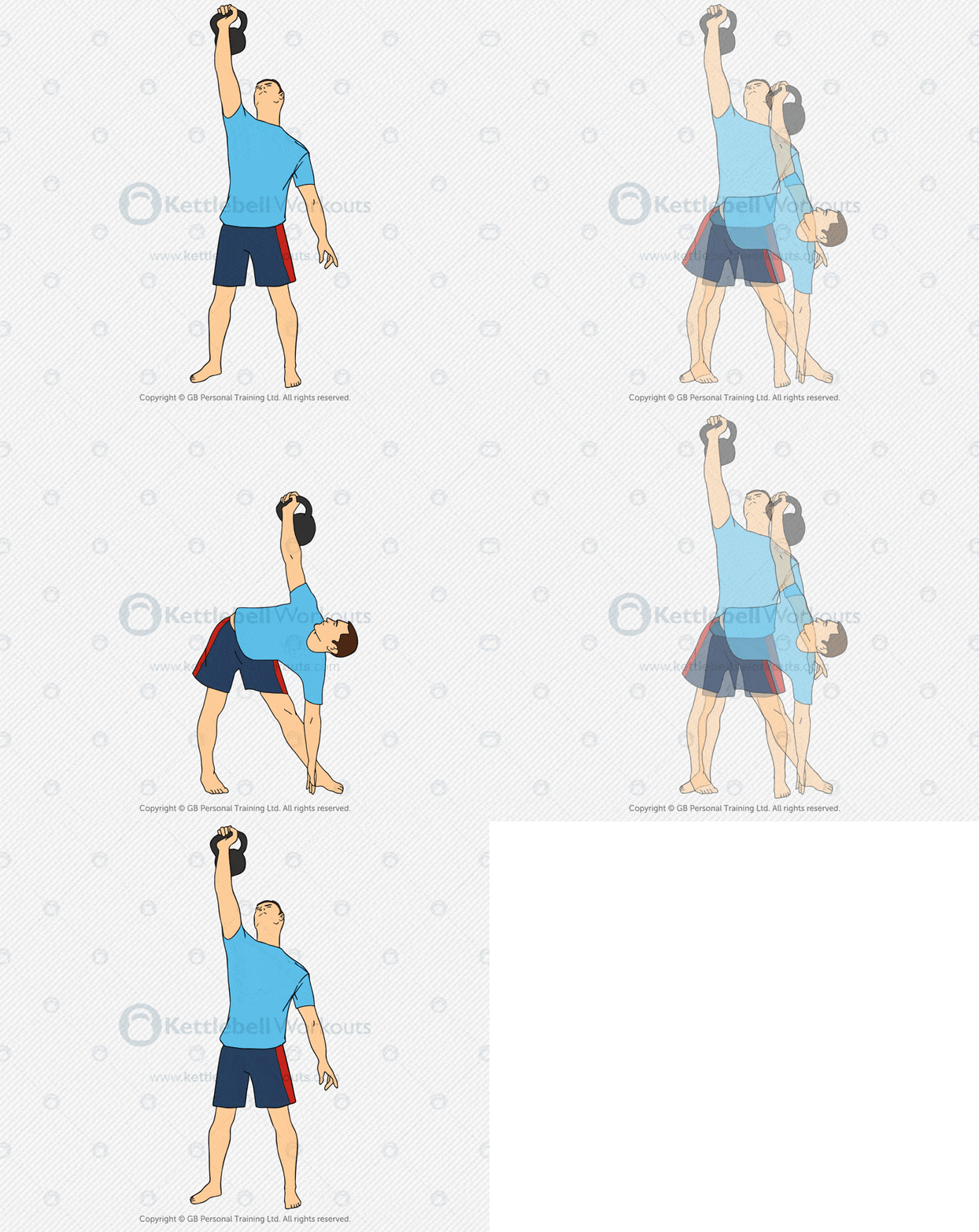
The windmill keeps the kettlebell overhead while the body moves underneath it. That makes the shoulder stabilise through a changing body position rather than simply holding still.
Do not chase the floor. Move only as far as your hips, hamstrings and thoracic spine allow while the overhead arm stays controlled.
Practice: 5 slow repetitions on each side.
Kettlebell Turkish Get-Up
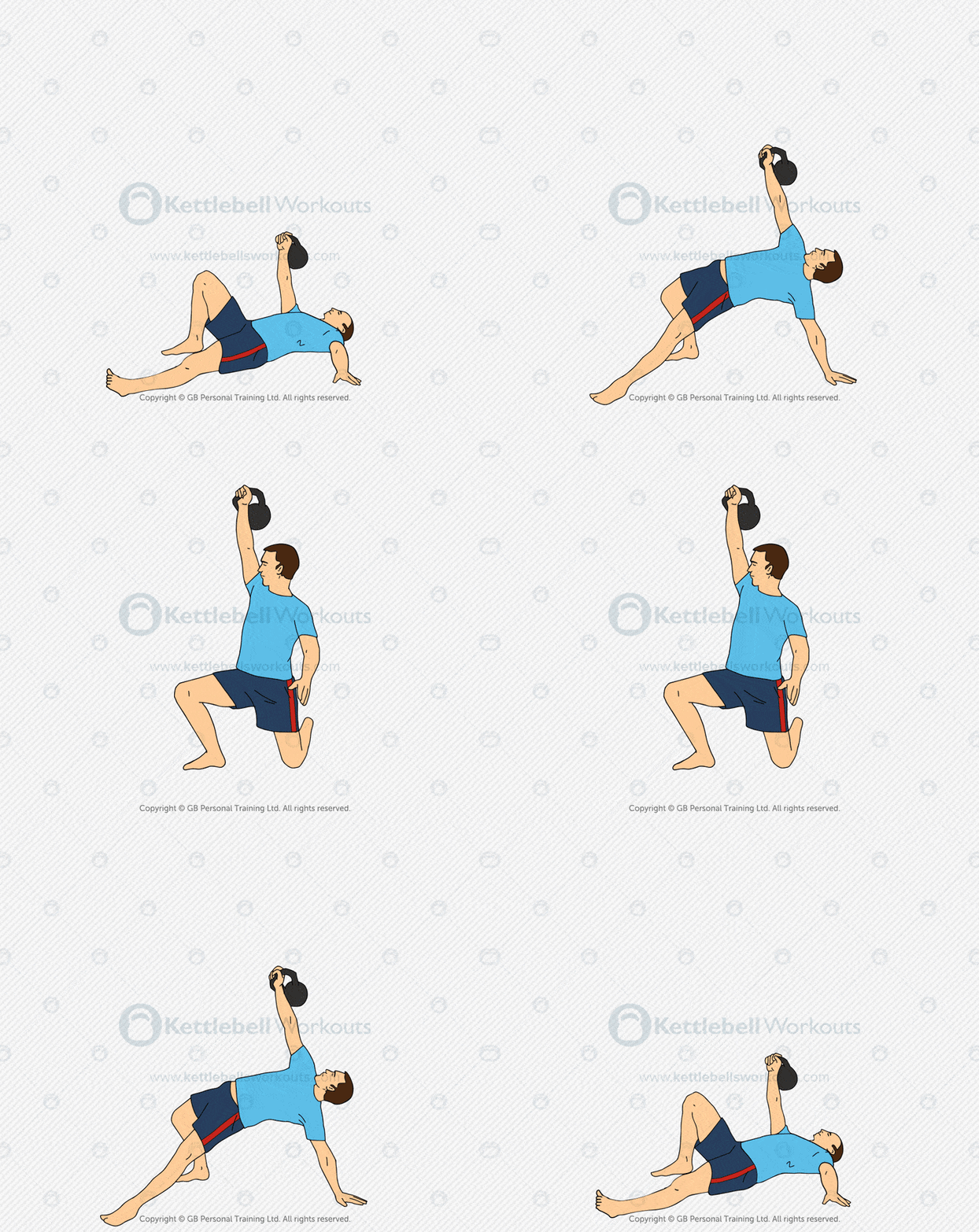
The Turkish get-up challenges the shoulder through several body positions while the kettlebell remains overhead.
Learn the sequence without load first. Then use the half get-up before progressing to the complete movement. The aim is control, not speed.
Practice: 1 to 3 controlled get-ups on each side is plenty for most sessions.

Dynamic and Full-Body Pressing
These movements use the legs, hips or a clean to help connect shoulder strength with the rest of the body.
Kettlebell Push Press

The push press uses a small dip and drive from the legs to help move the kettlebell through the hardest part of the press.
I often prefer this before heavy strict pressing because it lets you practise the overhead finish without asking the shoulder to create every bit of the force from the rack position.
Practice: 6 to 10 repetitions on each side.
Kettlebell Thruster

The thruster links a squat directly into an overhead press. Momentum from the legs helps drive the kettlebell upwards, so it is very different from a strict shoulder press.
Use it when you want a full-body conditioning exercise that includes overhead work, rather than when your only goal is isolated shoulder strength.
Practice: 5 to 10 repetitions on each side.
Kettlebell Sit and Press
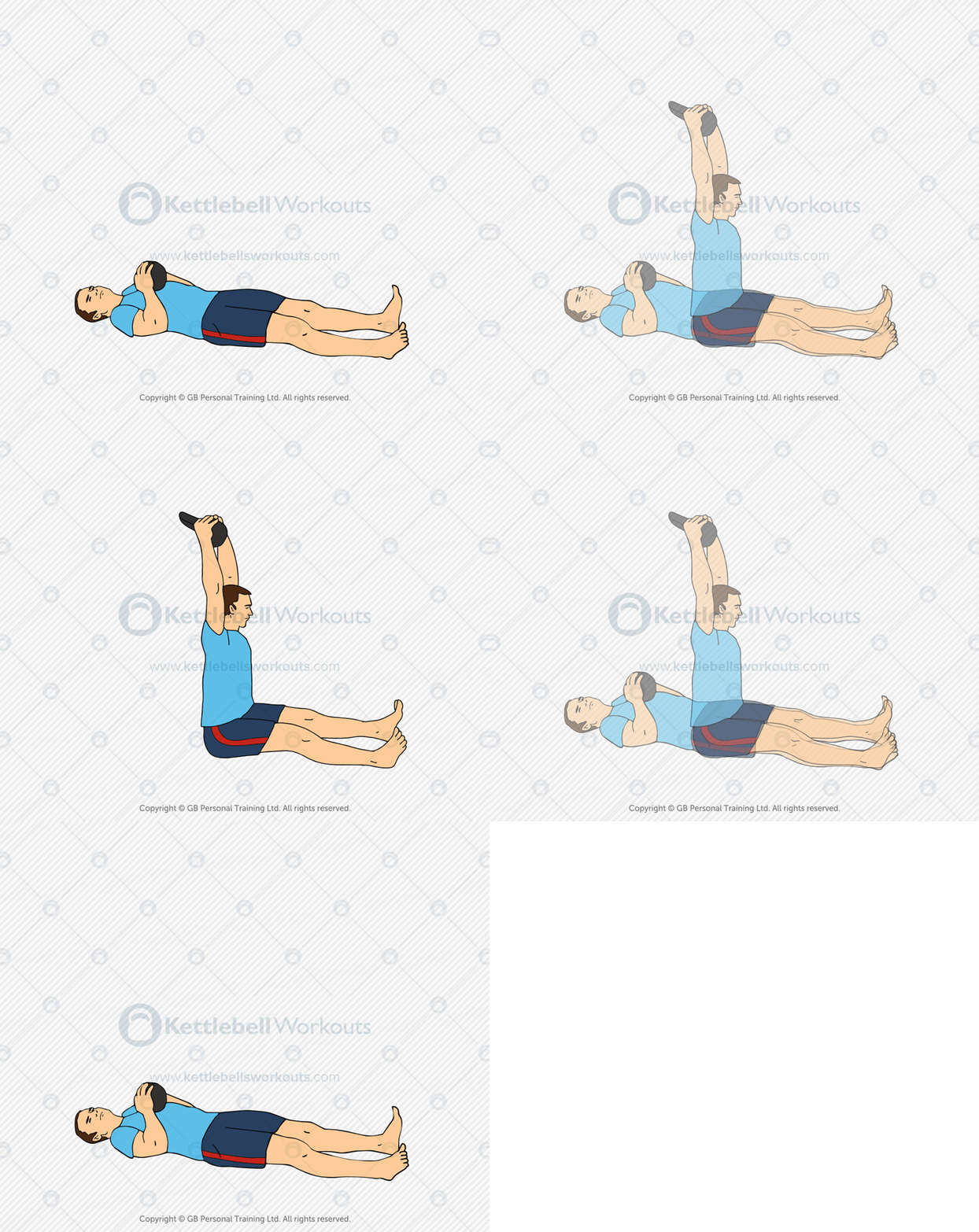
The sit and press combines a controlled sit-up with a two-handed overhead press.
Because the kettlebell is held with both hands it can be easier to organise than a single-arm strict press, but it still requires enough shoulder and thoracic mobility to finish overhead without collapsing forwards.
Practice: 5 to 10 controlled repetitions.
Kettlebell Clean and Press
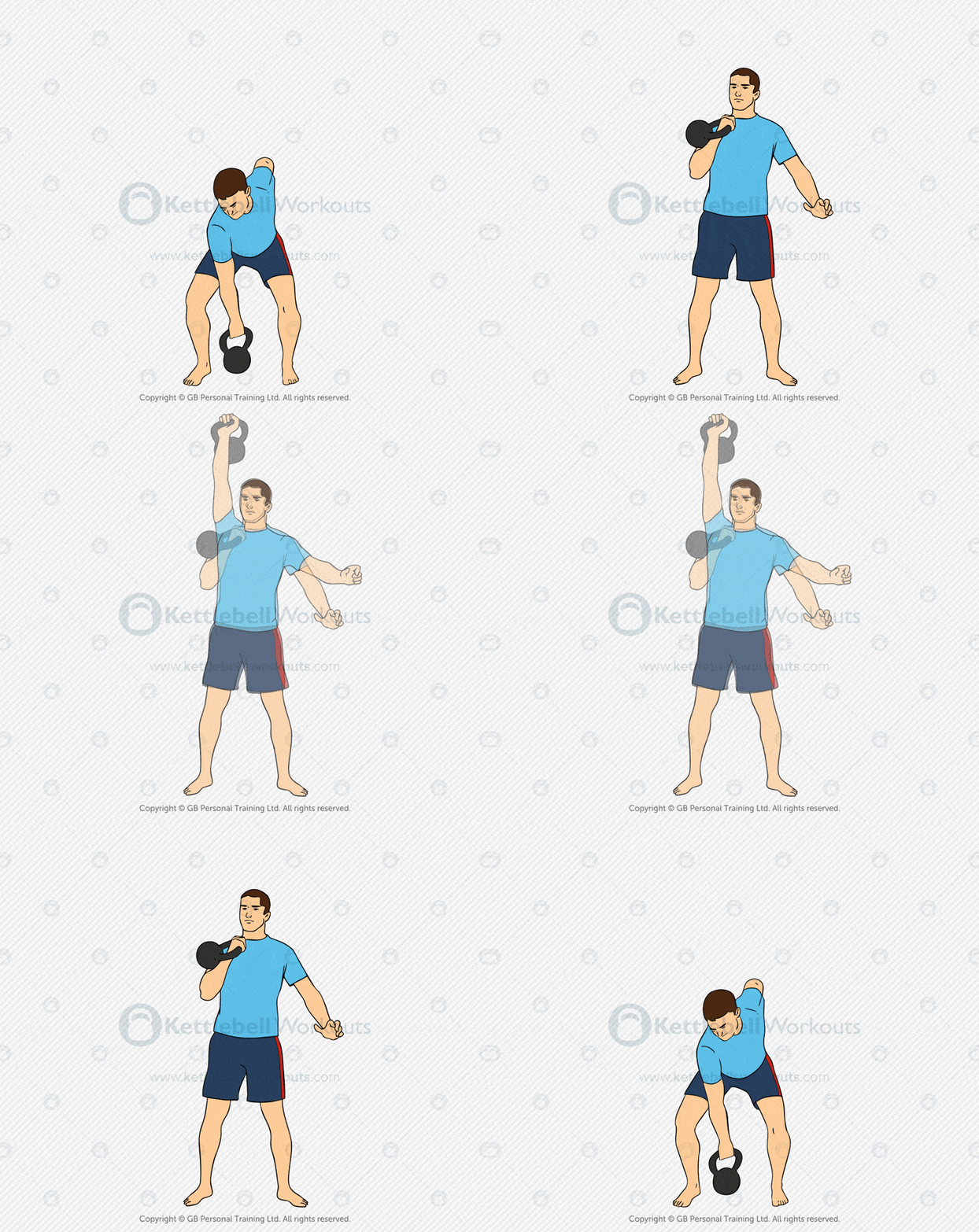
The clean and press combines 2 important skills. First the kettlebell is cleaned into the rack, then pressed overhead.
Master the clean before adding the press. Once the clean is smooth, you can use either a push press or a strict press depending on your goal and ability.
Practice: 5 to 8 repetitions on each side.
Strict and Advanced Pressing
Once you can control the overhead position, these variations increase the demand on strict pressing strength, trunk control and stability.
Kettlebell Overhead Press
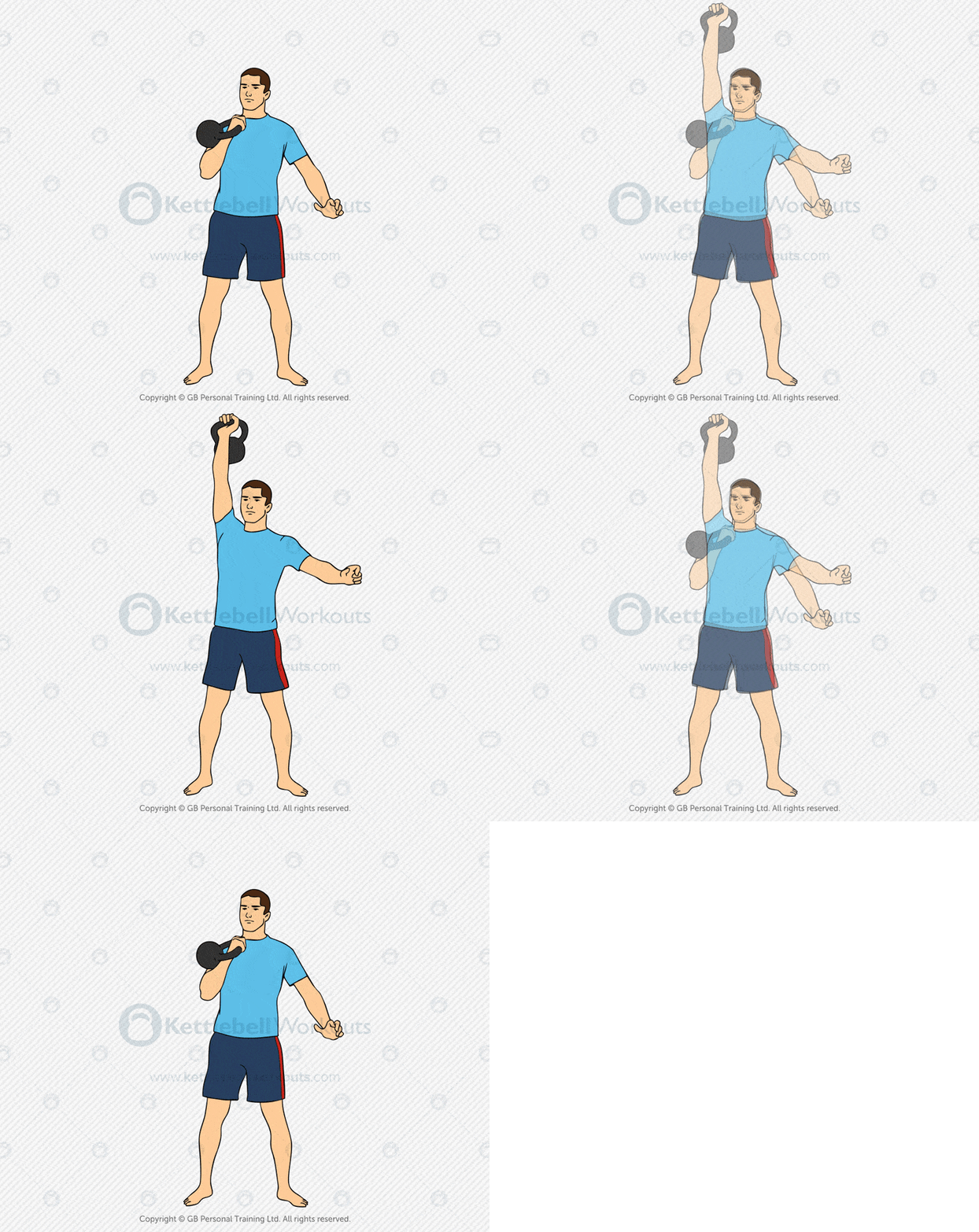
The strict overhead press is the most obvious shoulder-strength exercise on this page, but I would not make it the first overhead exercise you learn.
Start from a strong rack position, brace the body and press without using the legs. Finish with the arm overhead, then lower the kettlebell under control.
Practice: 5 to 8 repetitions on each side, or use the 1-2-3-4-5 ladder described in the full press guide.
Kettlebell Half Kneeling Press

The half kneeling press removes the possibility of helping the press with the legs and gives you useful feedback about left-to-right differences.
Stay tall, squeeze the glute on the kneeling side and avoid leaning or folding as the kettlebell moves overhead.
Practice: 5 to 8 repetitions, starting with the weaker side and matching those repetitions on the stronger side.
Kettlebell Bottoms-Up Press

The bottoms-up press is the most unstable pressing variation in this list because the kettlebell is balanced with the heavy body above the handle.
Use a light kettlebell and first become comfortable with the bottoms-up clean and rack position. The exercise should feel controlled rather than like a battle to stop the kettlebell falling.
Practice: begin with 1 to 3 clean presses on each side using a light kettlebell.
A Simple Kettlebell Shoulder Workout
A shoulder workout does not need 5 different presses. I prefer to combine a little stability work with one main pressing exercise.
Overhead Hold
20 to 30 seconds on each side.
Windmill
5 slow repetitions on each side.
Main Press
Choose either the push press or strict overhead press. Perform 5 to 8 repetitions on each side for 3 sets.
Optional Full-Body Finish
Clean and press for 5 repetitions on each side for 2 rounds.
Build Shoulder Strength in the Right Order
The strict overhead press is a useful exercise, but it is only one part of shoulder training.
Start by learning to control a kettlebell overhead. Then add movement underneath the load with the windmill and Turkish get-up. Once that foundation is reliable, progress to push presses, strict presses and more demanding variations such as the half kneeling and bottoms-up press.
You do not need every exercise in the same programme. One stability drill and one well-chosen press is enough for many workouts.
Frequently Asked Questions
Are kettlebells good for shoulder training?
Yes. Kettlebells can train overhead stability, pressing strength and whole-body control. Holds, windmills and Turkish get-ups emphasise control, while push presses and strict presses develop overhead strength.
What is the best kettlebell exercise for shoulders?
There is no single best exercise. For strict strength, use the overhead press. For stability, begin with an overhead hold or Turkish get-up. For a more dynamic full-body option, use the push press or clean and press.
How many shoulder exercises do I need in one workout?
Usually fewer than people think. One stability exercise followed by one main press can be enough, especially when your other kettlebell training already includes cleans, get-ups and full-body movements.
Should I use the push press or strict press first?
The push press is often the easier way to introduce repeated overhead work because the legs help move the kettlebell through the sticking point. Progress to strict pressing when you can control the overhead position and lower the kettlebell smoothly.


2018 i had a “massive rotator cuff tear” on my left shoulder. amazingly, except for a couple of range of motion issues that did not affect my workouts, i experienced no incapacitation as a result.
an automobile accident on December 1 of last year resulted in significant incapacitation. in addition to possible intensification of the 2018 injuries there was a tear of the biceps tendon. i am over the continuous pain but still experience episodic pain that is hard to predict. in comparison to the situation following the 2018 injury the shoulder seems pretty unstable.
i see you have a set of kettlebell exercises for the shoulder that i would like to experiment with using very light weight kettlebells.
i am also going to be looking for bodyweight exercises focused on the shoulder.
any general comments you might have regarding my situation would be appreciated.
My favourite kettlebell shoulder exercise is not even on your list. It’s the kettlebell jerk
Similar to the push press but with a double dip of the legs to get under the bell at the finish . It is a difficult move to learn to do properly and safely but the benefits are well worth the effort as especially when combined with the clean there is nothing better for full body conditioning
And that includes the swing
Would love to see you do a feature on this Greg being to top teacher that you are people could benefit
Yes I love the jerk press too Gary. I’ll be writing an updated article on pressing very soon.