
Last Updated on 19 August 2026 by Greg Brookes
Women do not need a completely different set of kettlebell exercises from men. Good movement is good movement. But kettlebells do happen to suit many of the goals women commonly bring to strength training particularly well.
If you want stronger glutes and legs, better conditioning, more muscle and strength, improved balance, and a way to train effectively at home with very little equipment, the kettlebell is an excellent tool.

Why Kettlebells Work So Well for Women
Many women are especially interested in lower-body strength, glute development and body composition. Kettlebell training naturally gives those areas plenty of attention without restricting you to lower-body training alone.
Kettlebell Exercises for Glutes and Legs
Many women who start resistance training are especially interested in building stronger glutes, hips and thighs. Kettlebells are a natural fit because their foundational movements are dominated by hinges, squats and lunges. These 7 exercises form the lower-body foundation of the guide.
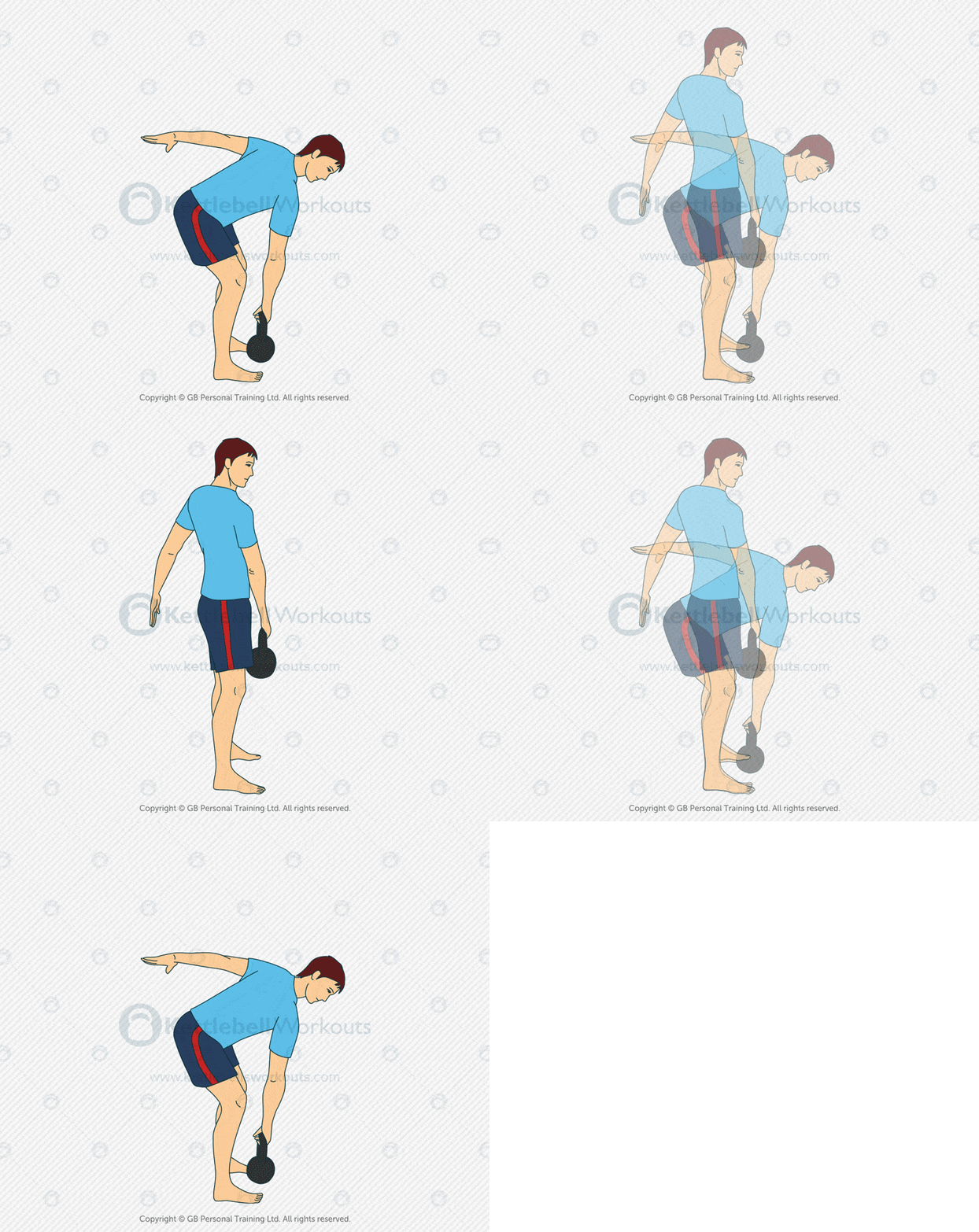
1. Kettlebell Single-Arm Deadlift
The deadlift is one of the best places to start. It teaches the hip hinge and lets you strengthen the glutes and hamstrings without the speed of a swing.
Coaching cue: Push the hips backwards, keep the kettlebell close and stand tall by driving the floor away.
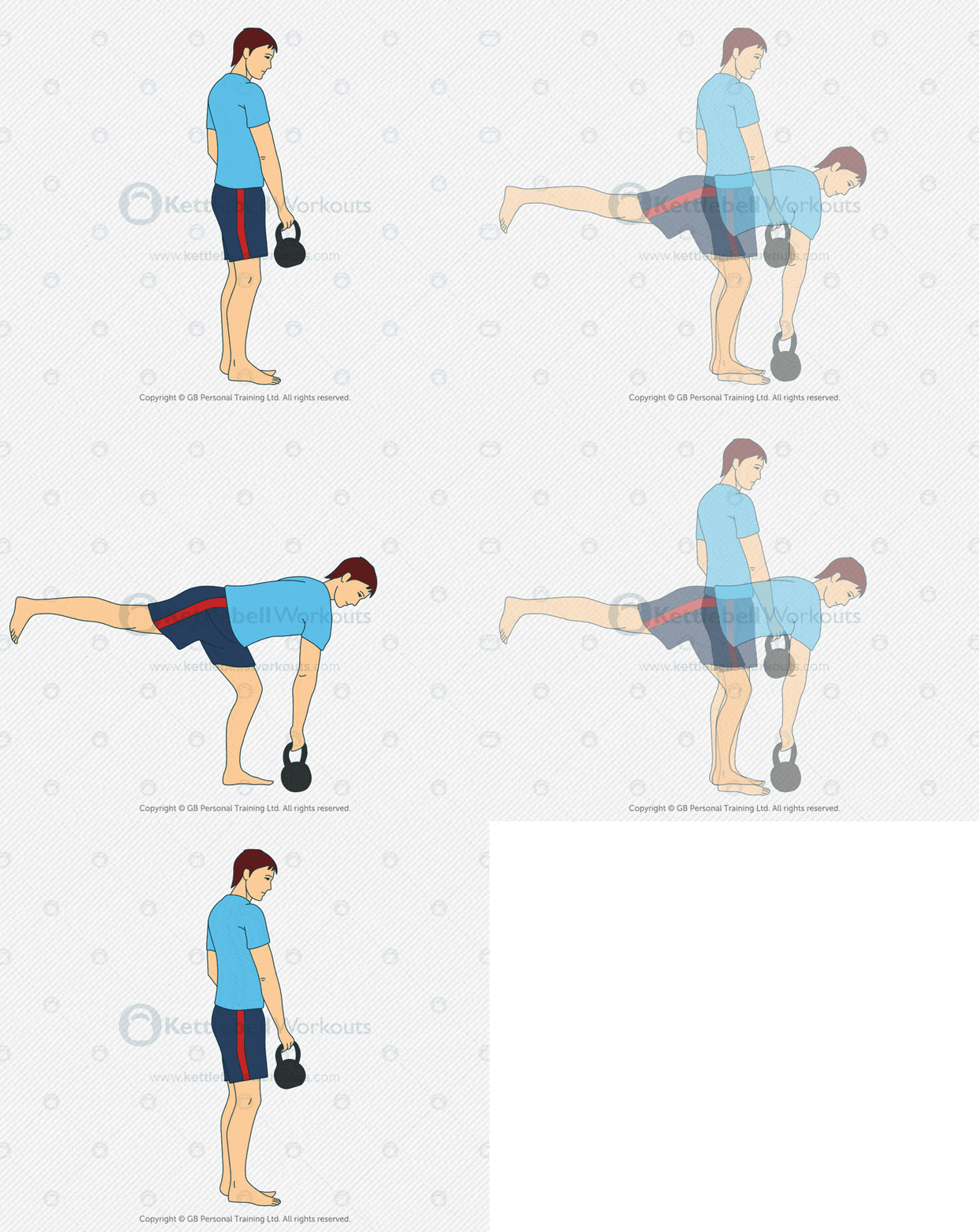
2. Kettlebell Single-Leg Deadlift
The single-leg deadlift develops one hip at a time while challenging balance and pelvic control. It is especially useful once the regular hip hinge is comfortable.
Coaching cue: Keep the hips square and reach the free leg backwards rather than reaching the kettlebell towards the floor.
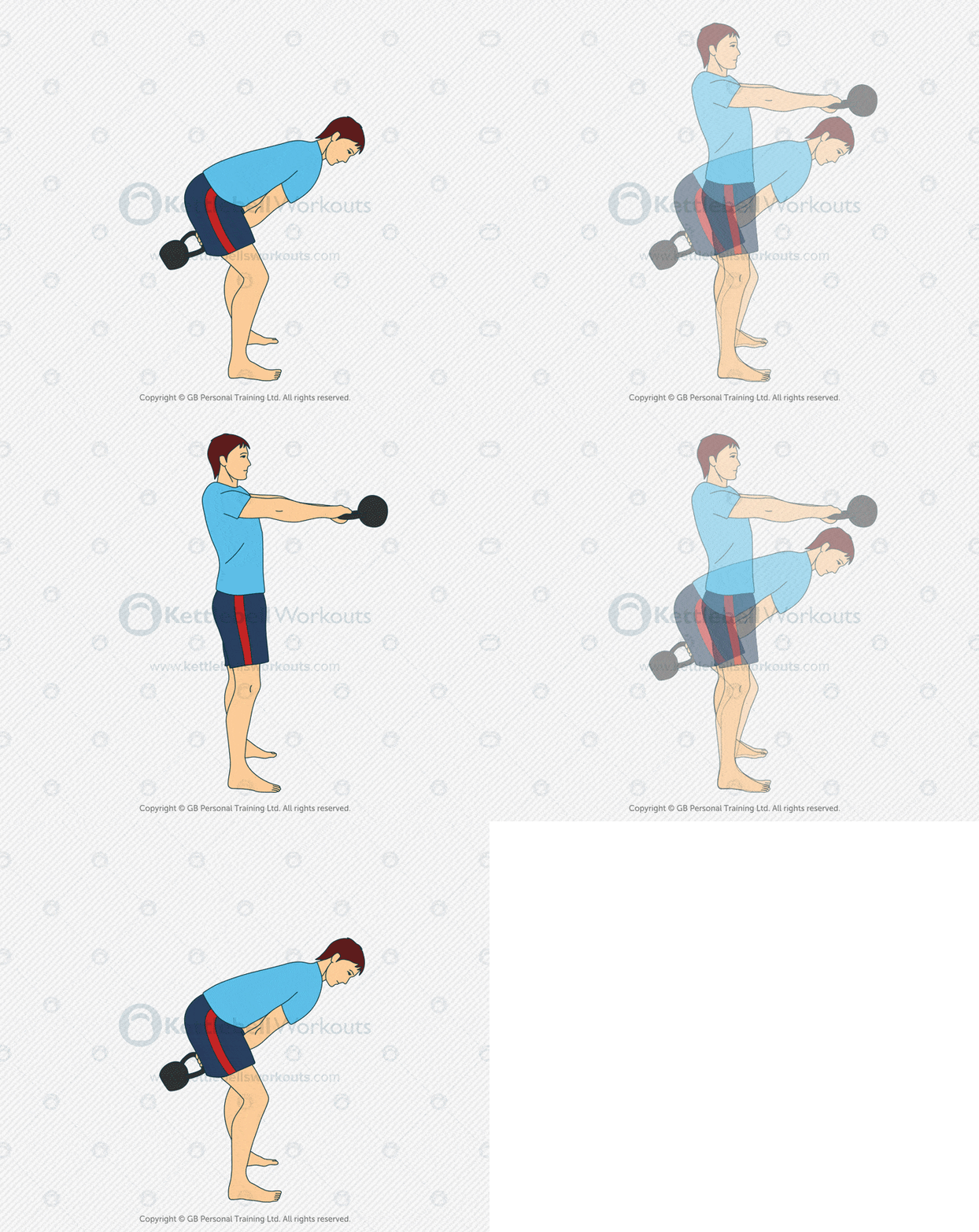
3. Two-Handed Kettlebell Swing
The swing is one of the defining kettlebell exercises. It uses a powerful hip extension, strongly involving the glutes and hamstrings while also creating a cardiovascular demand.
Coaching cue: The hips power the kettlebell. The arms guide it rather than lifting it.
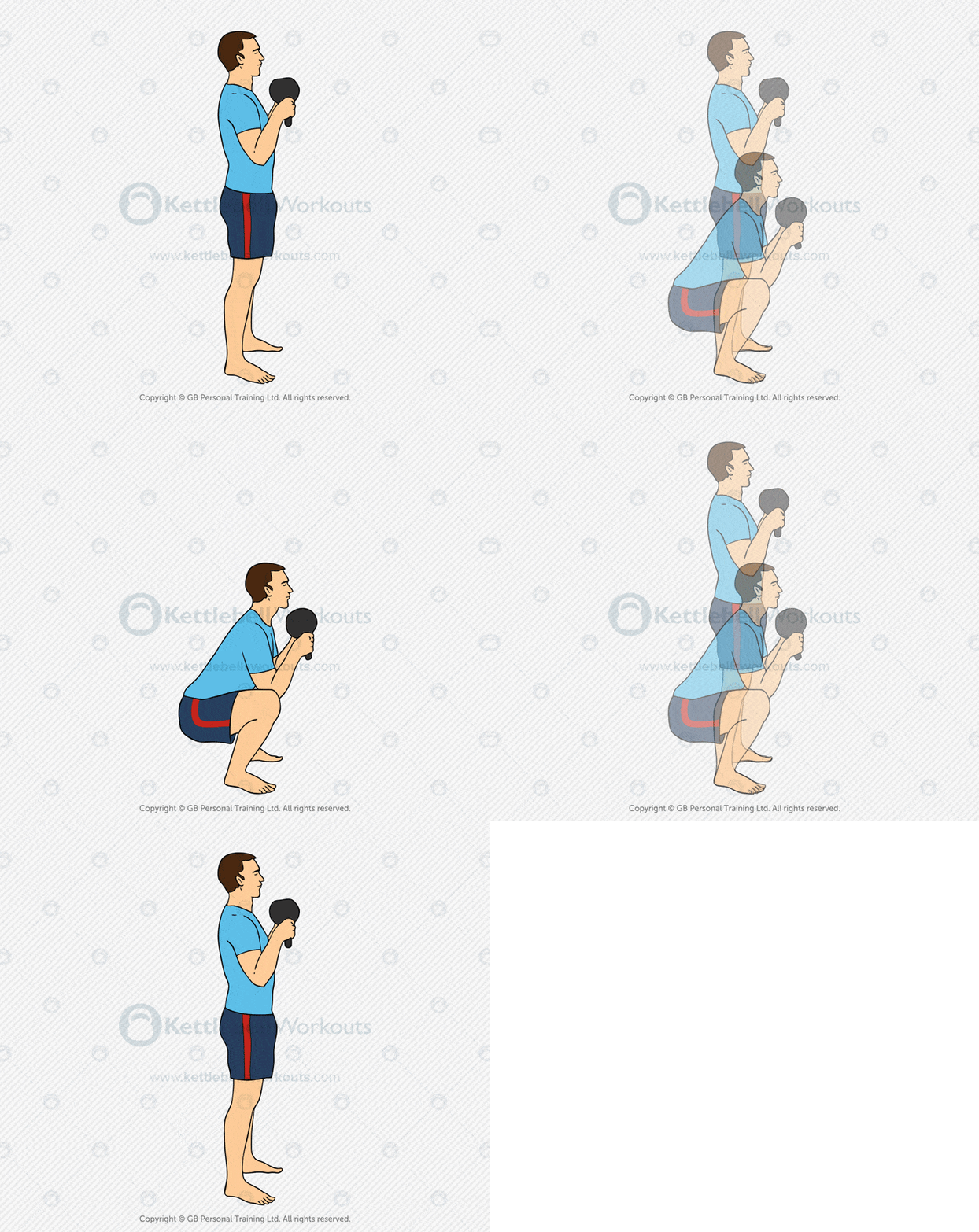
4. Kettlebell Goblet Squat
The goblet squat is a practical way to strengthen the thighs and glutes while keeping the kettlebell close to the centre of the body.
Coaching cue: Sit between the hips, keep the whole foot connected to the floor and stand up without collapsing the knees inward.

5. Kettlebell Racked Squat
Moving the kettlebell into the rack position makes the squat more demanding through the trunk and gives you a useful progression from the goblet squat.
Coaching cue: Stay tall through the chest and resist being pulled towards the kettlebell side.
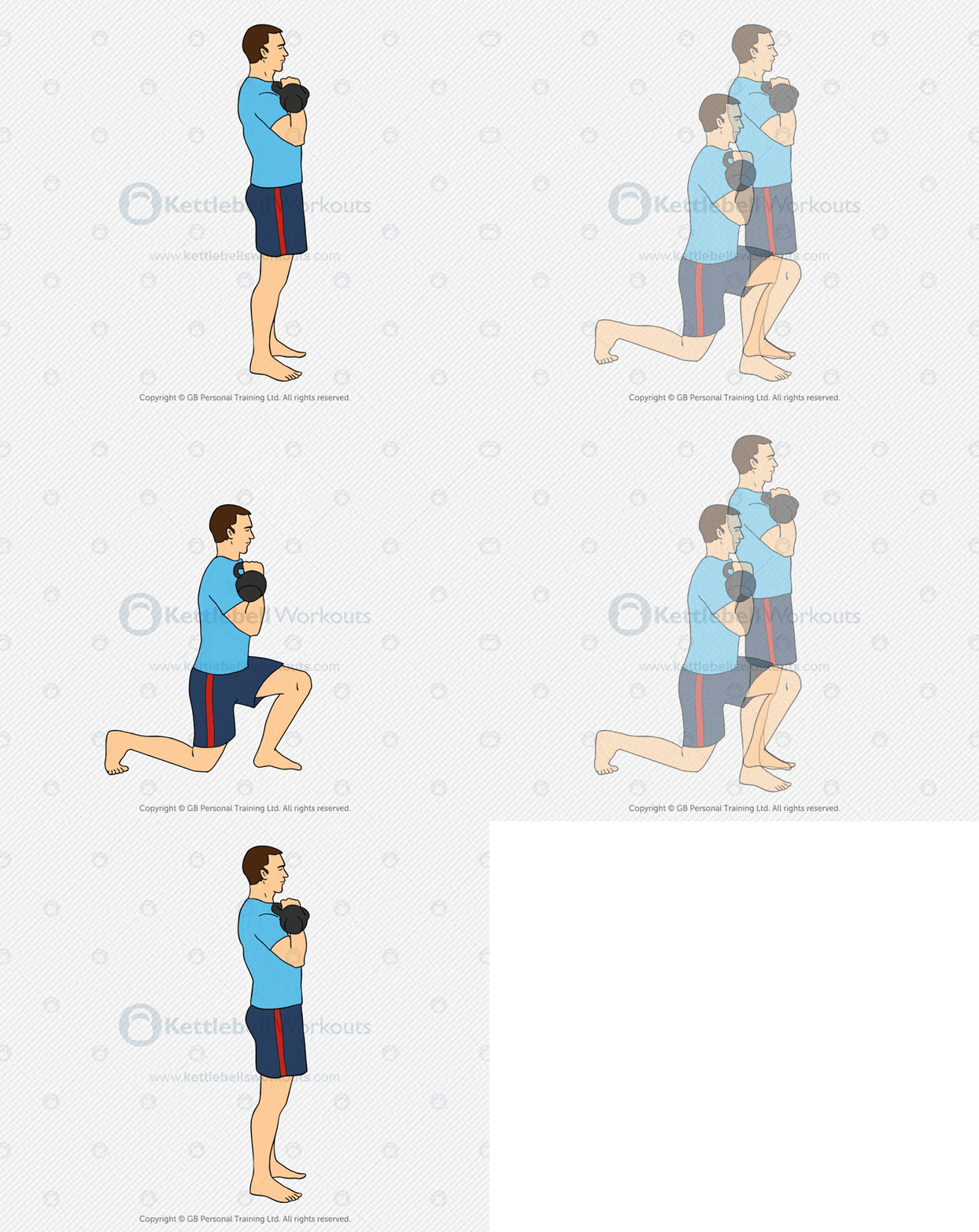
6. Kettlebell Racked Reverse Lunge
The reverse lunge is one of my favourite lower-body exercises because it strengthens one leg at a time and combines well with the rack position.
Coaching cue: Step back far enough to lower under control while keeping the front foot firmly planted.
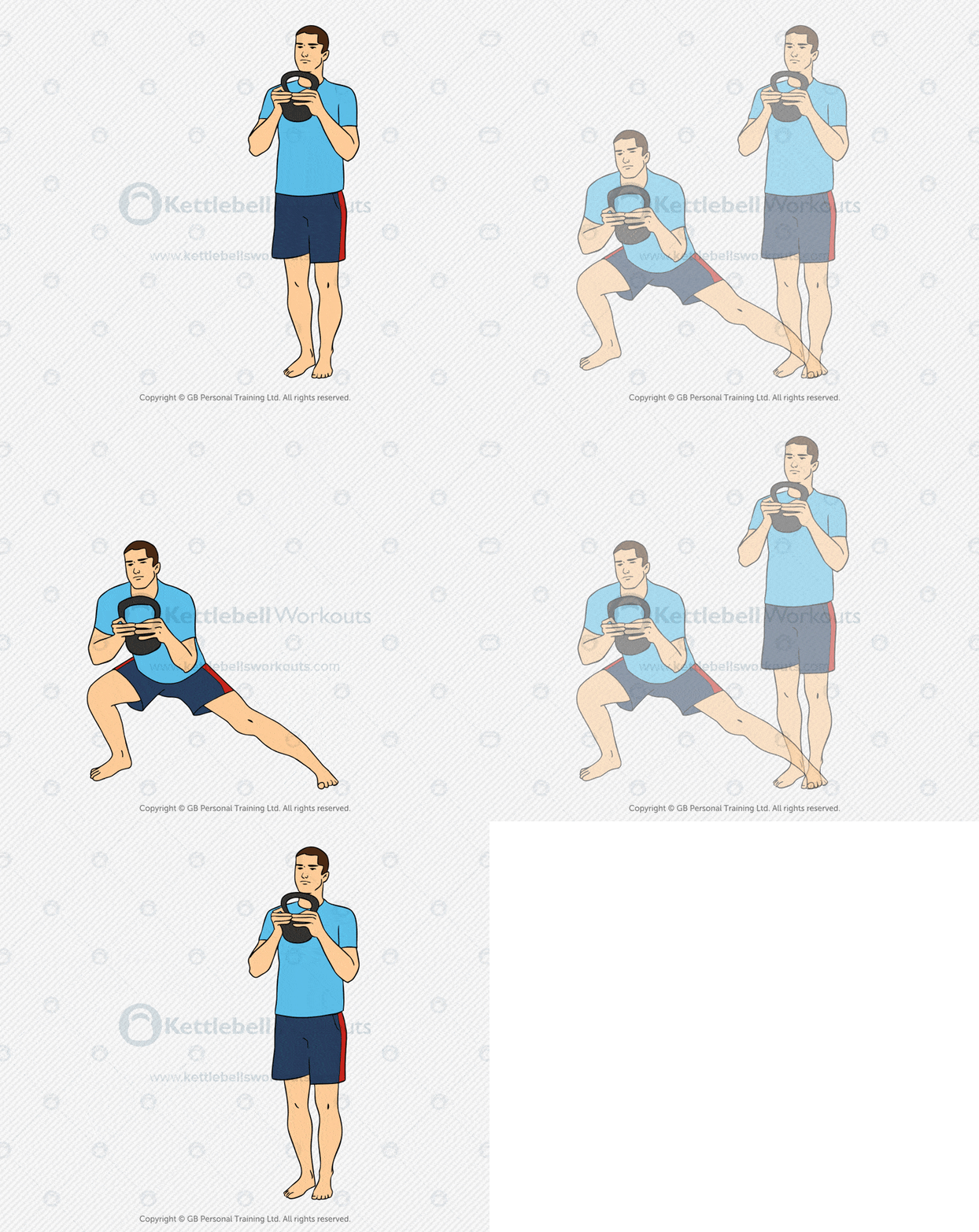
7. Kettlebell Side Lunge
Most programmes contain plenty of forward-and-back movement. The side lunge adds lateral strength through the hips, thighs and inner leg.
Coaching cue: Sit the hips back into the working leg and keep the other leg long.
Want More Kettlebell Exercise Ideas?
Download my free 52 Kettlebell Exercises guide and keep the complete exercise library for your own training.

Core, Balance and Movement
A strong programme should do more than train individual body parts. These movements develop trunk control, balance, mobility and the ability to organise the whole body under load.
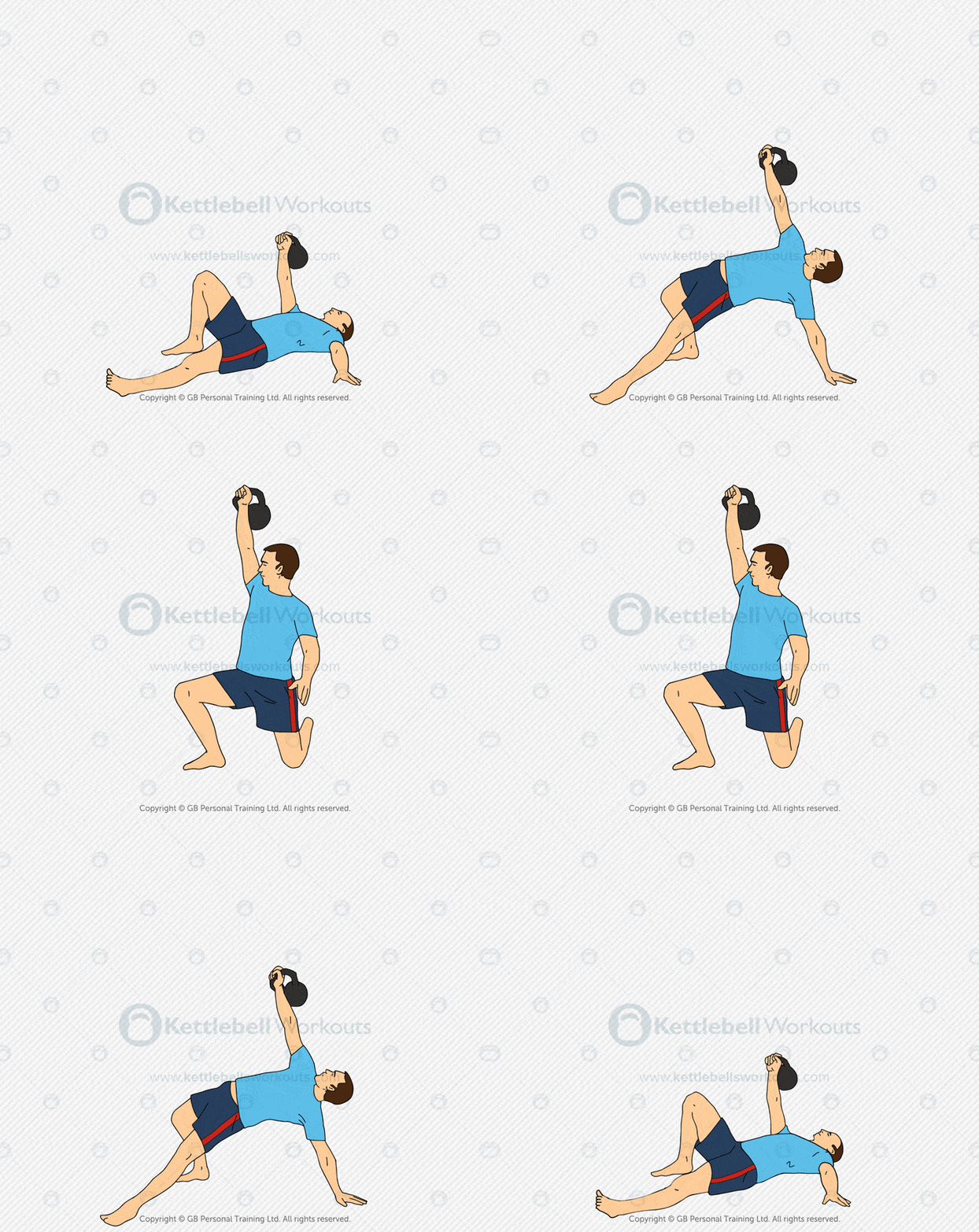
8. Turkish Get-Up
The Turkish Get-Up is a whole-body control exercise. It challenges the trunk, shoulder, hips and legs as you move from the floor to standing and back down again.
Coaching cue: Own each position before moving to the next. Do not rush the sequence.
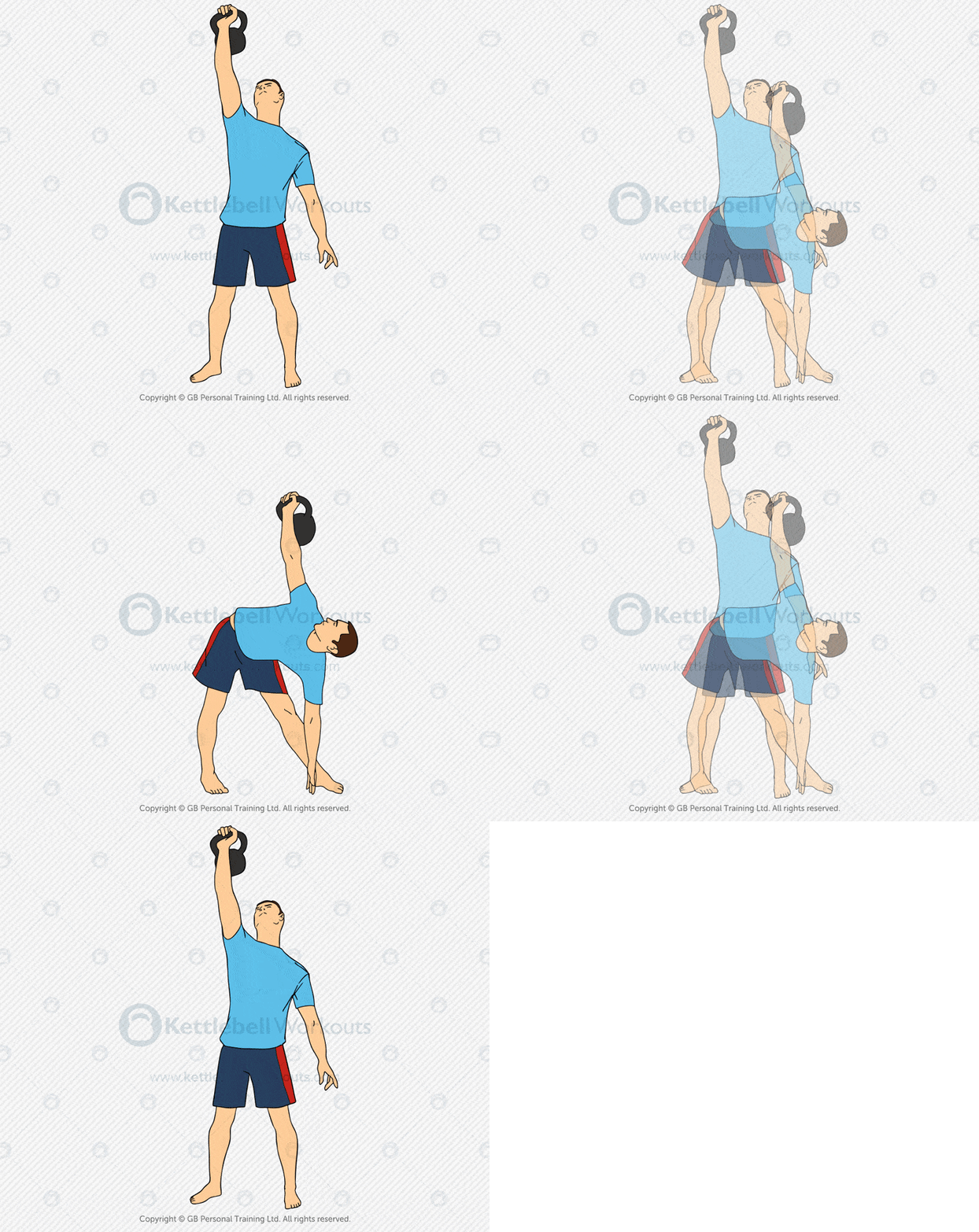
9. Kettlebell Windmill
The windmill combines a hip hinge with controlled trunk movement and overhead stability. I use it more as a mobility and control exercise than a heavy strength lift.
Coaching cue: Move slowly and only descend as far as you can control comfortably.
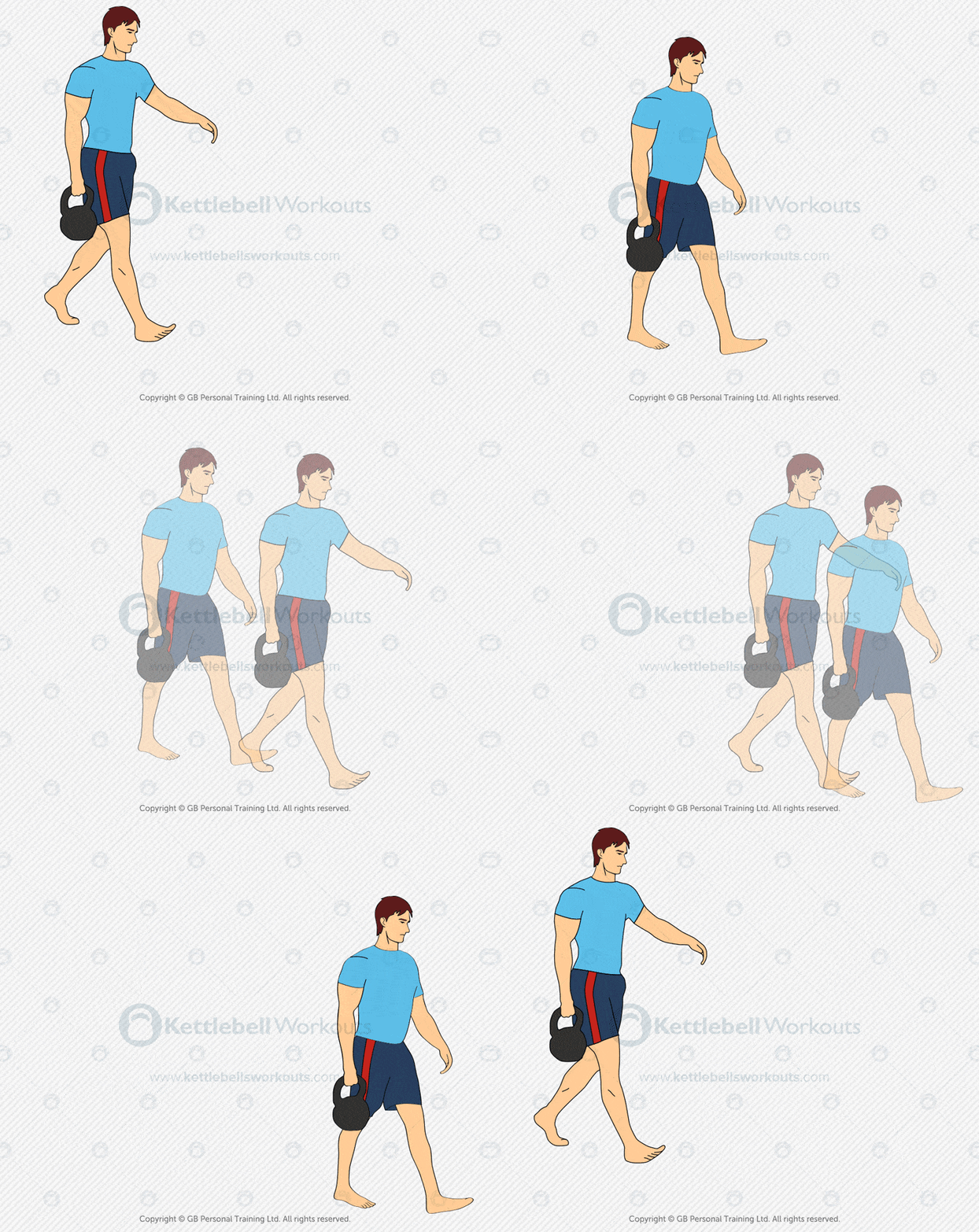
10. Kettlebell Suitcase Carry
Carrying one kettlebell at your side looks simple, but the trunk has to work hard to stop the body leaning. It is a very useful way to train grip and whole-body stability.
Coaching cue: Walk tall, keep the shoulders level and resist leaning away from the kettlebell.
Upper-Body Strength
Women do not need to avoid upper-body strength work. Rows and presses complement the lower-body exercises and help create a genuinely balanced programme.
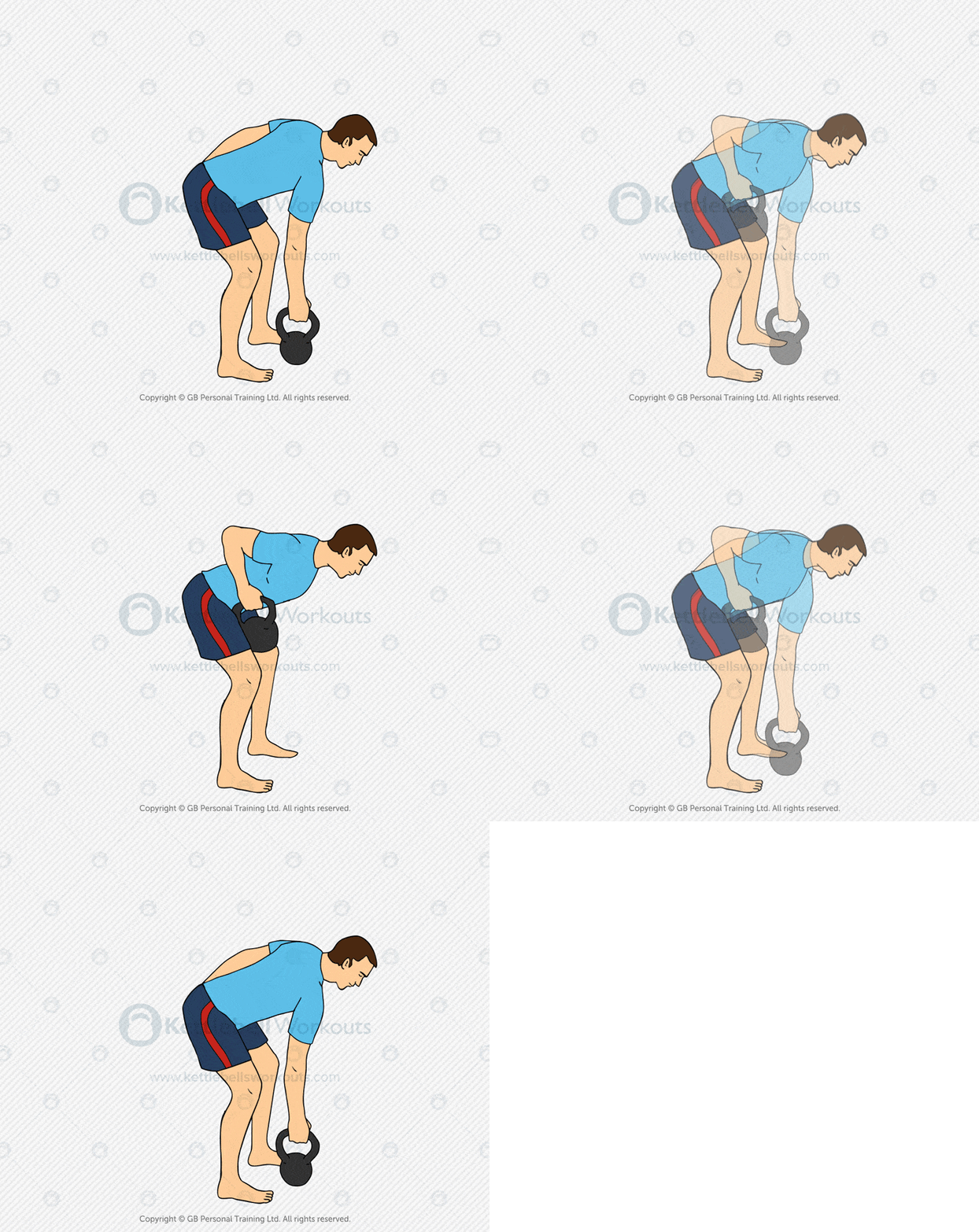
11. Kettlebell Bent-Over Row
Rows provide the pulling strength that a balanced programme needs. The bent-over row trains the upper back and arms from a stable hip-hinge position.
Coaching cue: Pull the elbow towards the hip and keep the torso still.

12. Kettlebell Half-Kneeling Press
The half-kneeling press is a useful bridge into overhead pressing because the kneeling position reduces the temptation to use the legs and asks the trunk to stay organised.
Coaching cue: Squeeze the glute on the kneeling side and press without leaning backwards.
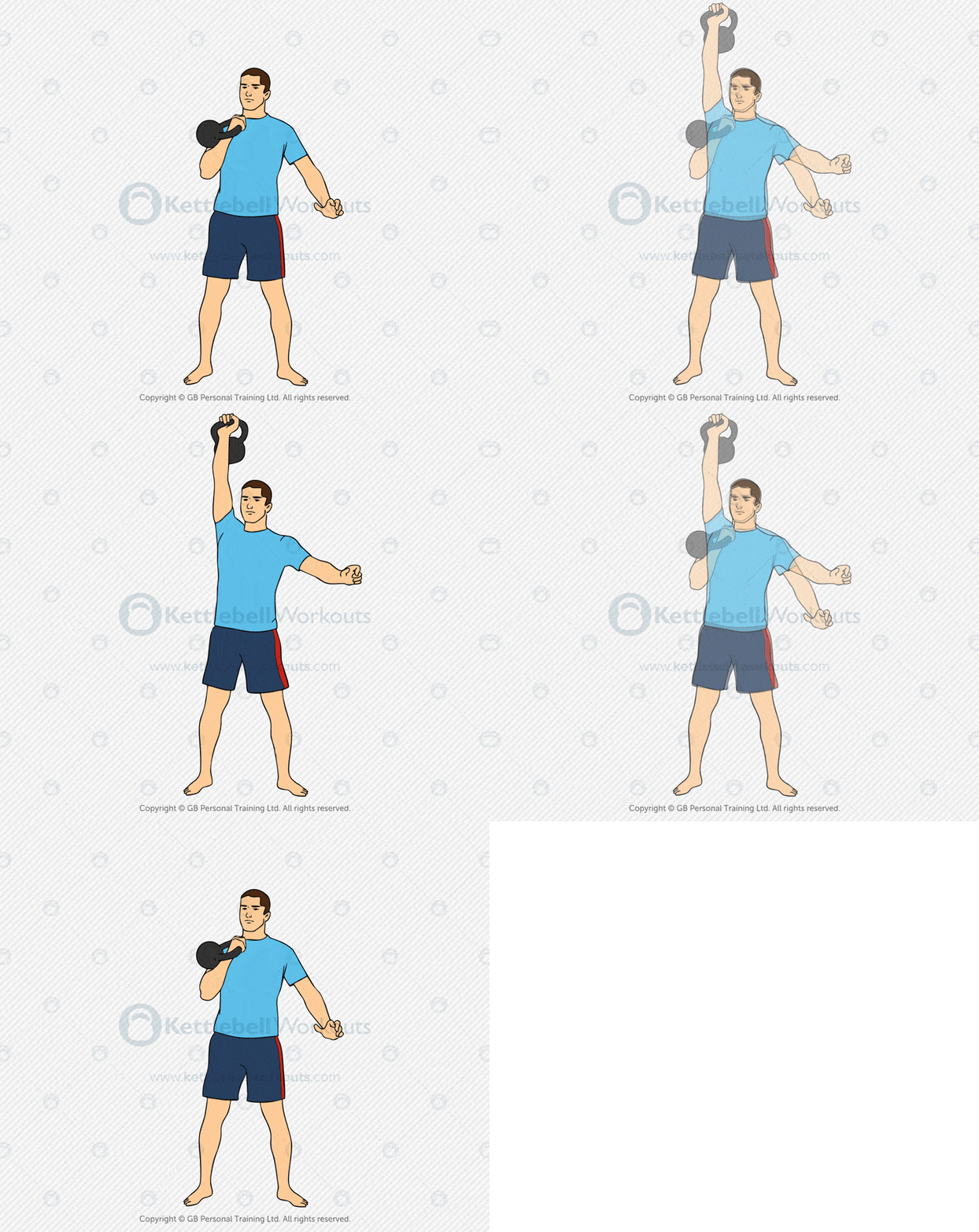
13. Kettlebell Overhead Press
The strict overhead press develops useful shoulder and arm strength. It also provides an important upper-body counterpoint to the lower-body emphasis of swings, squats and lunges.
Coaching cue: Keep the ribs controlled and finish with the arm comfortably stacked overhead.
Full-Body Strength and Conditioning
Once the foundations are established, these exercises combine movement patterns and involve a large amount of muscle mass. They can be useful for strength and conditioning and can raise the energy demand of a session quickly.
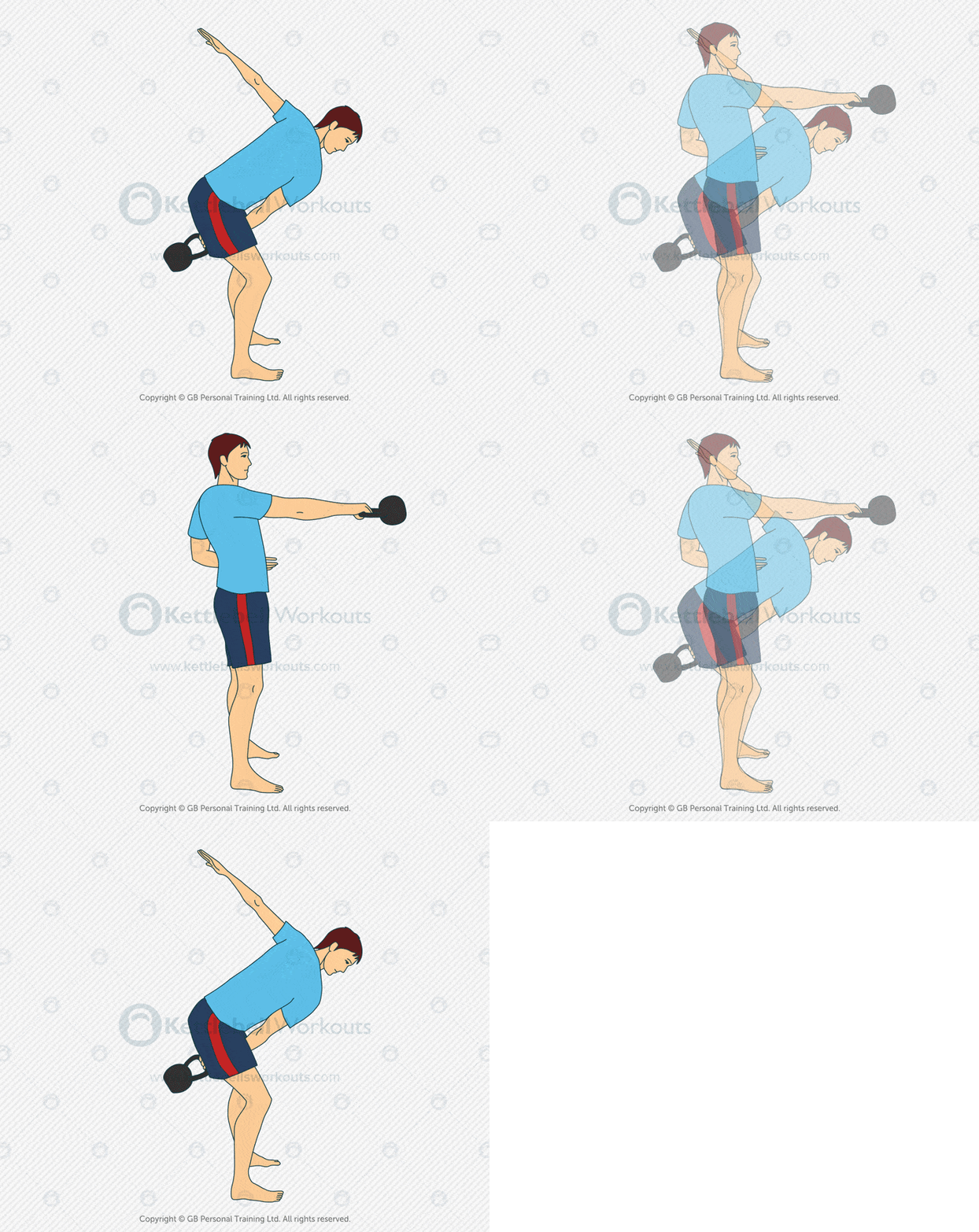
14. Single-Arm Kettlebell Swing
Once the two-handed swing is reliable, using one hand increases the grip and anti-rotation demand while keeping the same hip-driven power pattern.
Coaching cue: Keep both shoulders facing forwards and do not twist after the kettlebell.
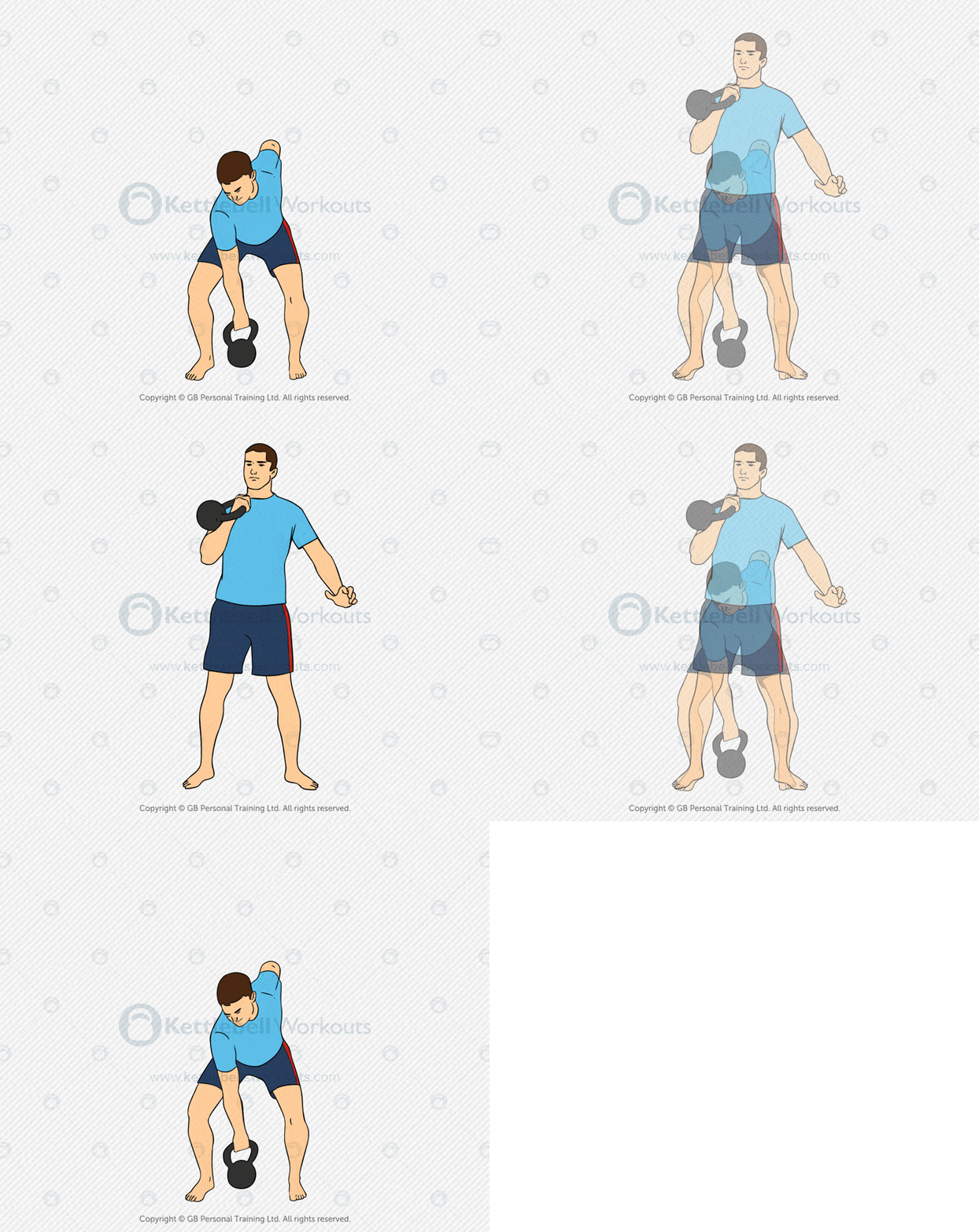
15. Kettlebell Clean
The clean takes the kettlebell smoothly into the rack position and becomes the gateway to many combinations. It is driven from the hips rather than curled with the arm.
Coaching cue: Keep the kettlebell close and let the hand travel around the handle rather than letting the bell crash onto the wrist.
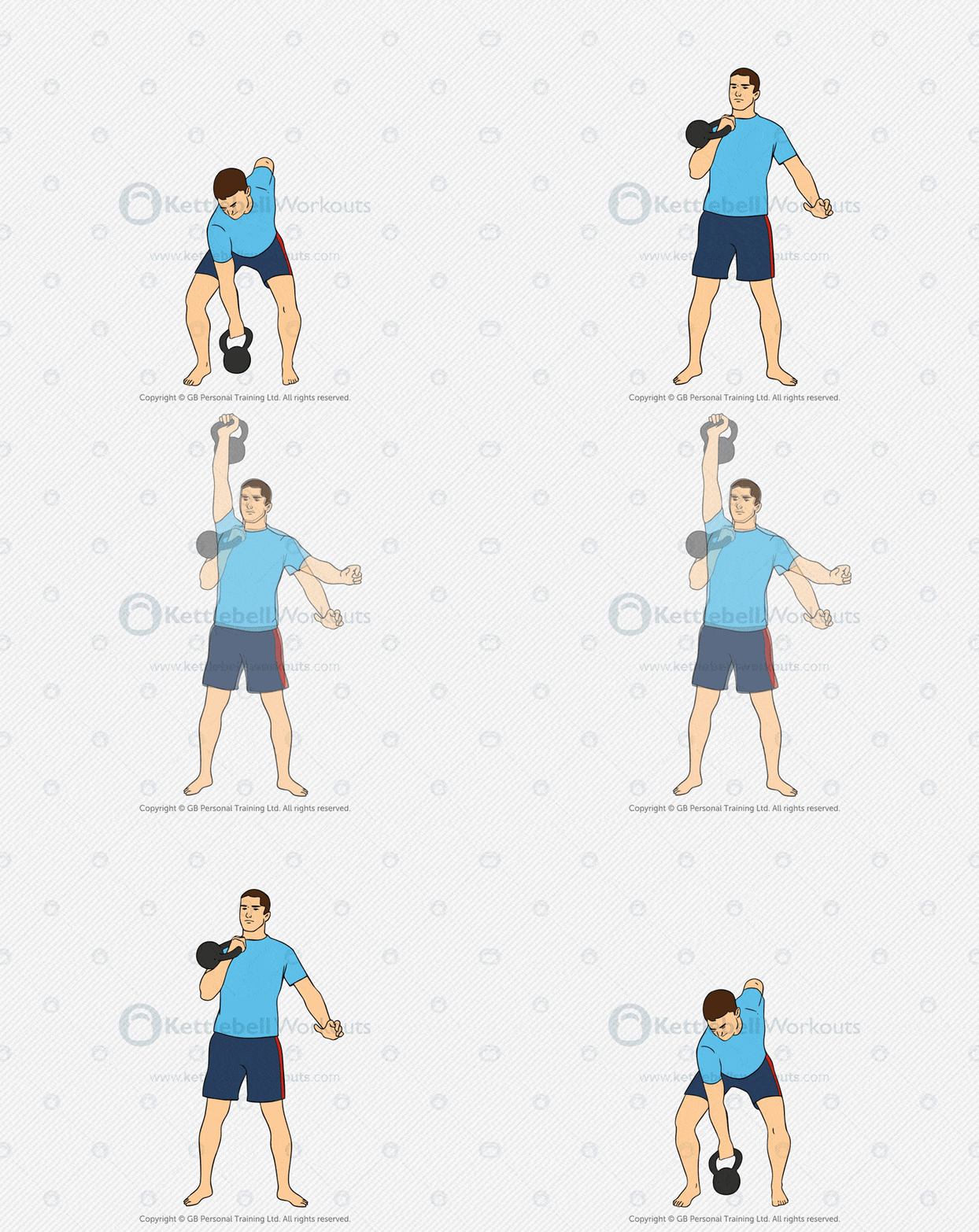
16. Kettlebell Clean and Press
The clean and press combines a hip-driven clean with an overhead press, giving you a compact full-body strength exercise without needing much equipment or space.
Coaching cue: Make the clean smooth first, settle the rack position, then press overhead.

17. Kettlebell Thruster
The thruster combines a squat with an overhead press. Because so much muscle is involved at once, the heart rate can rise quickly even with relatively short sets.
Coaching cue: Stand strongly out of the squat and use that momentum to begin the press.

18. Kettlebell Clean, Squat and Press
This combination links a clean, squat and press into one sequence. It is technically and physically demanding, so master the individual exercises before joining them together.
Coaching cue: Keep the sequence deliberate: clean, settle, squat, stand, then press.
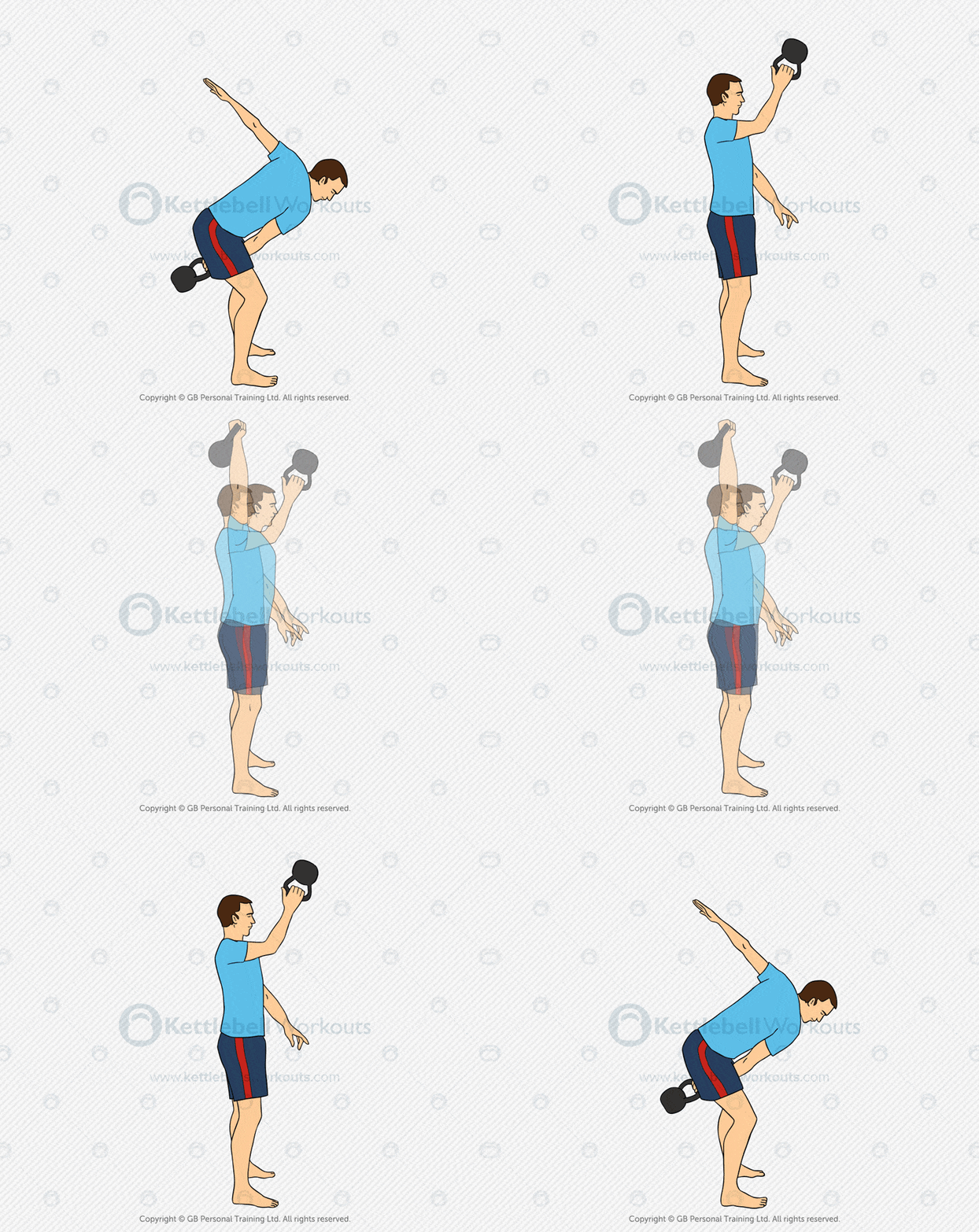
19. Kettlebell Snatch
The snatch takes the kettlebell from the backswing to overhead in one continuous movement. It is a high-skill power and conditioning exercise rather than a beginner movement.
Coaching cue: Keep the kettlebell close to the body and punch the hand through the handle at the top.
Are Kettlebells Good for Fat Loss?
They can be very useful within a fat-loss programme. Exercises such as swings, squats, lunges, cleans and thrusters involve a large amount of muscle and can create a substantial cardiovascular and energy demand, especially when organised into intervals or circuits.
But no exercise directly guarantees fat loss. Your overall energy balance, nutrition, daily activity, sleep and consistency still matter. I prefer to think of kettlebells as a way to build and maintain useful muscle while also giving you an efficient conditioning option.
If fat loss is your main goal, avoid turning every session into an exhausting circuit. Keep proper strength work in the programme and use faster kettlebell conditioning alongside it.
What Kettlebell Weight Should a Woman Use?
The right kettlebell depends on the exercise and your training background. A weight that is suitable for a deadlift or swing may be too heavy for a controlled overhead press, so there is no single perfect kettlebell for every movement.
If you are buying your first kettlebell, see my guide to choosing your starting kettlebell weight. Technique comes first, then load can increase as the movement becomes reliable.
What If You Are Over 40, 50 or 60?
The exercise selection does not suddenly need to change because of a birthday. What matters more is your training history, joint tolerance, mobility, balance and recovery.
For many women in midlife and beyond, maintaining and building strength becomes increasingly valuable. Start with stable movements such as deadlifts, goblet squats, rows, carries and controlled lunges, then progress towards swings and more technical combinations when the foundations are ready.
Exercises Versus Workouts
This page is an exercise library, not a complete training programme. You do not need to perform all 19 exercises in one session.
If you want the exercises organised into complete sessions and weekly training, use my Kettlebell Workouts for Women guide instead.
Frequently Asked Questions
Are kettlebells particularly good for women?
Women can use the same fundamental kettlebell exercises as men. Kettlebells are particularly useful if your priorities include glute and leg strength, whole-body conditioning, balance and efficient home training because those qualities are built into many of the foundational movements.
What are the best kettlebell exercises for glutes?
I would start with the deadlift, swing, single-leg deadlift, goblet squat and reverse lunge. They train the hips and legs in different ways without needing a long list of isolation exercises.
Will kettlebells make women bulky?
Resistance training can build muscle, which is a positive adaptation rather than something to fear. How much muscle you build depends on training volume, intensity, nutrition, genetics and time. Most people do not accidentally become excessively muscular from sensible kettlebell training.
Can kettlebells help with fat loss?
Yes, kettlebells can support fat loss by providing resistance training and demanding conditioning work. Fat loss itself still depends primarily on sustained energy balance, so training should sit alongside appropriate nutrition and regular daily activity.
Can women start kettlebell training at home?
Yes. Home training is one of the major advantages of kettlebells. Begin with simple exercises, make sure you have enough clear space, learn the hip hinge properly and progress to faster movements such as the swing only when the technique is ready.
Final Thoughts
The best kettlebell exercises for women are not special “women-only” movements. They are effective strength exercises chosen around the goals that matter to you.
If stronger glutes and legs are high on your list, kettlebells are difficult to beat for simplicity. Add rows, presses, carries and full-body movements and you have a training tool that can develop strength, conditioning and capability without needing much equipment at all.

Thank you so much for these kettlebell examples. Wonderful. Rarely will you find someone giving such professional advice and specific examples at no cost. I love kettlebell and just getting back after a long illness and this will really help.
I love kettlebell and I am going to research you more. Greg you are fantastic.
I found a few new ideas on this list will try tommarow at the gym thanks!
Hi !! I’m new to this! But I’ve got this women’s one from you 🙂 if I pick 1 from each group and master them & do them daily with an 8 & 12(I love the 12!) how long in reality till I see any changes?im a bit flabby n overweight from baby weight.. (he’s two 😆😅) thanks! Xx
Hello Leighan, results will really depend on your background, nutrition and lifestyle too. Usually within 30 days of regular exercise combined with good nutrition you will see results.
Excellent content. So simple, well explained, great diagrams. Do you have PDF for the 19 exercises?
Hey Greg! Thanks for this guide and the videos. I’m back in the gym after 9 months of recovery from an auto accident and zooming back into shape using kettlebells. Got a great compliment from one of the muscleheads who watched me throwing my kb around doing cleans and swings and goblet squats yesterday. He walked up and told me I was a “badass!” LOL Thanks Greg.
Excellent, well done Deborrah, I’m sure you are a “badass” 🙂