
Last Updated on 13 August 2026 by Greg Brookes
A good kettlebell workout for cyclists should support the riding you already do, not leave your legs so tired that your next ride suffers.
Cycling gives you plenty of repetitive work in one movement pattern. Strength training can complement that by developing the hips, hamstrings, glutes, trunk and upper back, while also giving you useful single-leg work away from the bike.
Below are the 8 kettlebell exercises I would prioritise for cyclists, followed by 3 simple workouts that progress from basic strength to more demanding full-body training.
Why Strength Training Helps Cyclists
Cycling performance is highly specific, so your riding still needs to do most of the work if you want to become a better cyclist. Strength training plays a supporting role.
Done sensibly, kettlebell training can help you build qualities that are harder to develop on the bike alone:
- Hip and leg strength for producing force against the pedals.
- Single-leg control to challenge each side independently.
- Hamstring and glute strength to complement the repeated knee-dominant work of cycling.
- Trunk strength so the pelvis and torso stay better organised under fatigue.
- Upper-back strength to balance long periods spent in a forward riding position.
- General physical resilience away from the repetitive movement of cycling.
8 Kettlebell Exercises for Cyclists
You do not need dozens of exercises. These 8 cover the main qualities I want from a simple cyclist strength programme: trunk control, single-leg strength, hip strength, pulling strength and power.
Kettlebell Slingshot
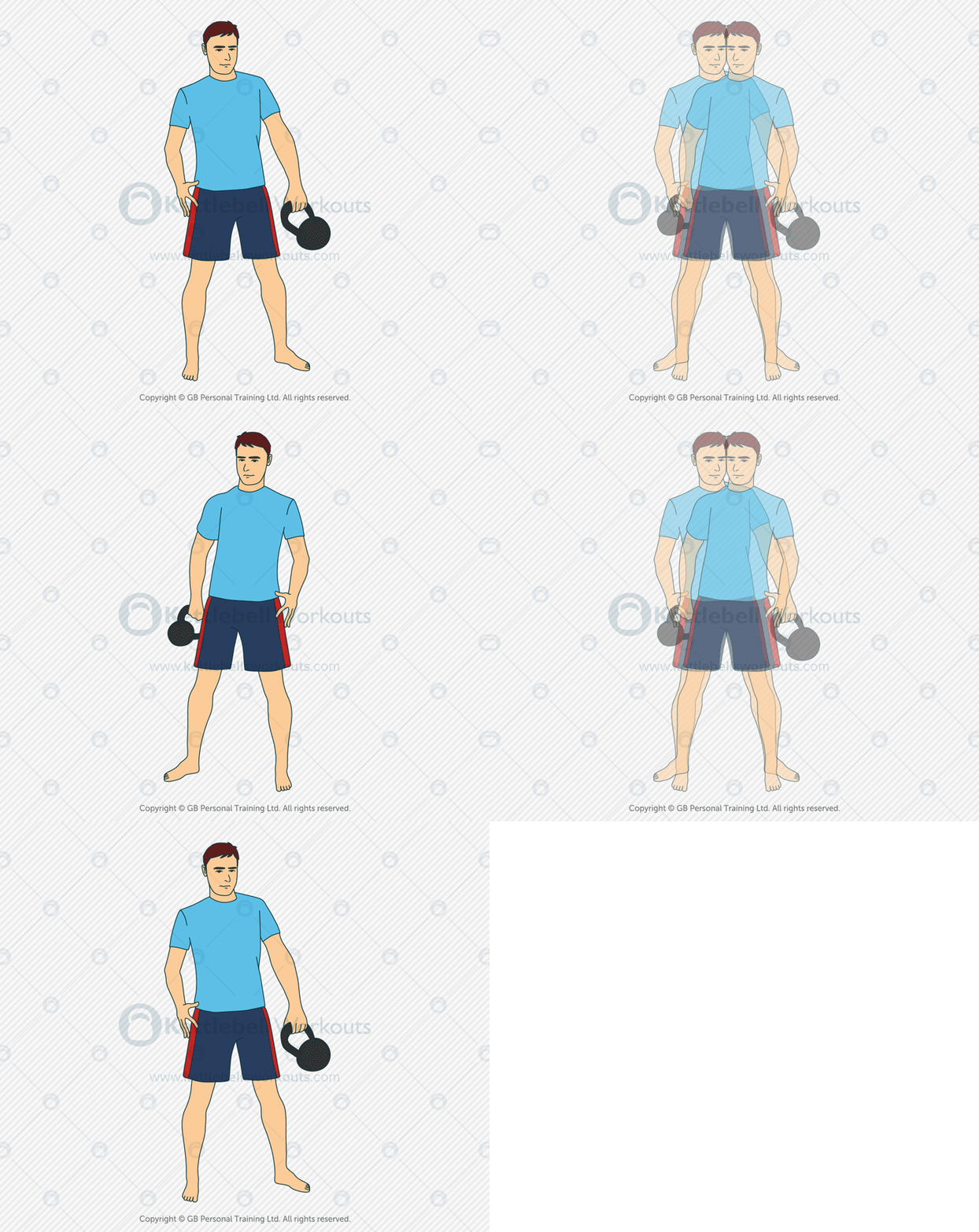
Best for: warm-up, trunk control and shoulder movement.
The Slingshot is a simple way to begin a kettlebell session. Pass the kettlebell around the body while keeping the hips and ribcage as quiet as possible.
It is not a heavy strength exercise. I use it here because it prepares the grip, shoulders and trunk without creating fatigue before the main work.
Start with: 10 passes each direction. Build gradually to 20 each way.
Kettlebell Farmers Carry
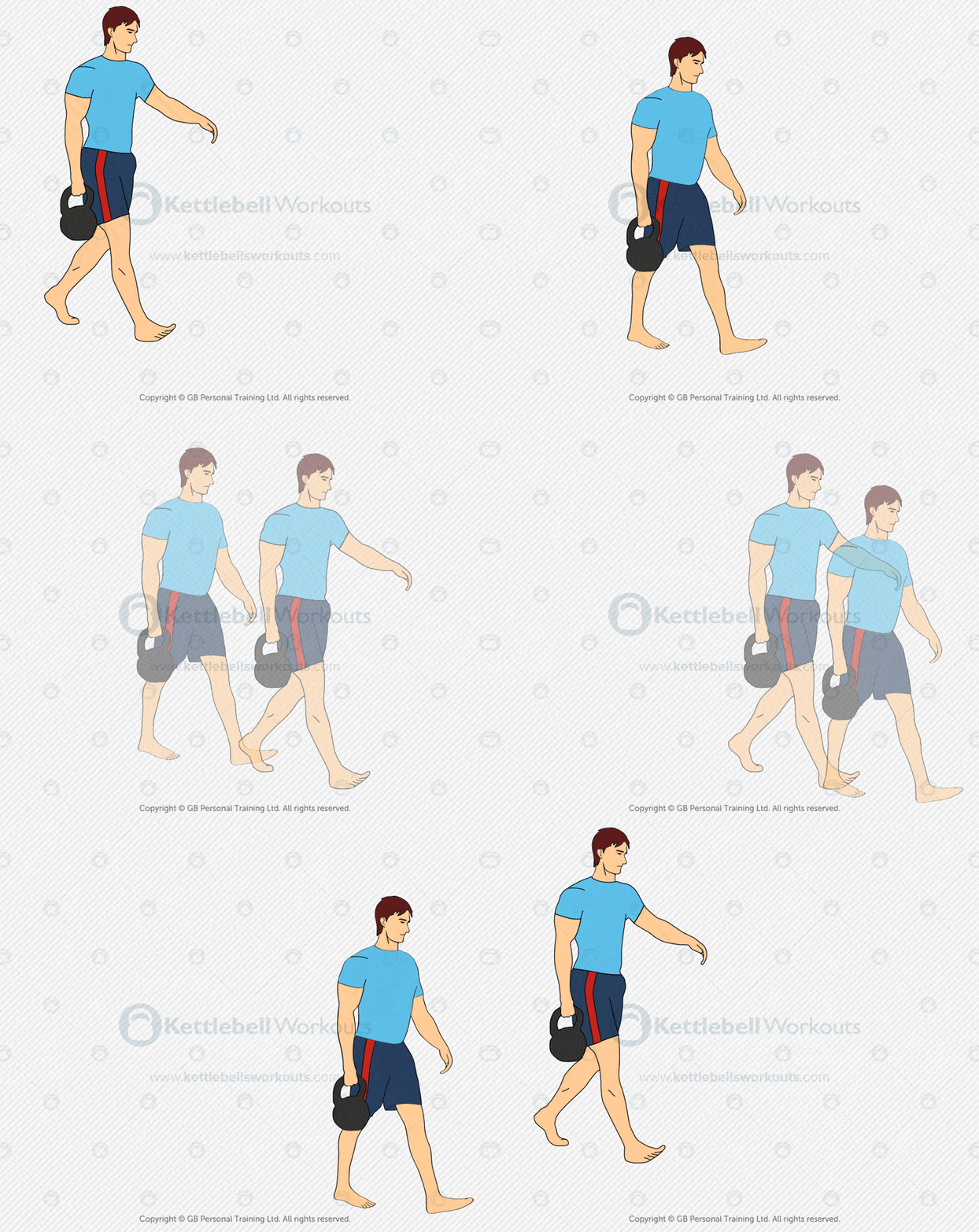
Best for: trunk stability, grip and upright posture.
Hold a kettlebell in 1 hand and walk without leaning away from the load. Keep the shoulders level, ribs stacked over the pelvis and your walking pace controlled.
The suitcase-style carry is useful for cyclists because the trunk has to resist side-bending while you continue to move.
Start with: 20 to 30 seconds per side. Increase the time or load when you can stay tall throughout.
Kettlebell Goblet Squat
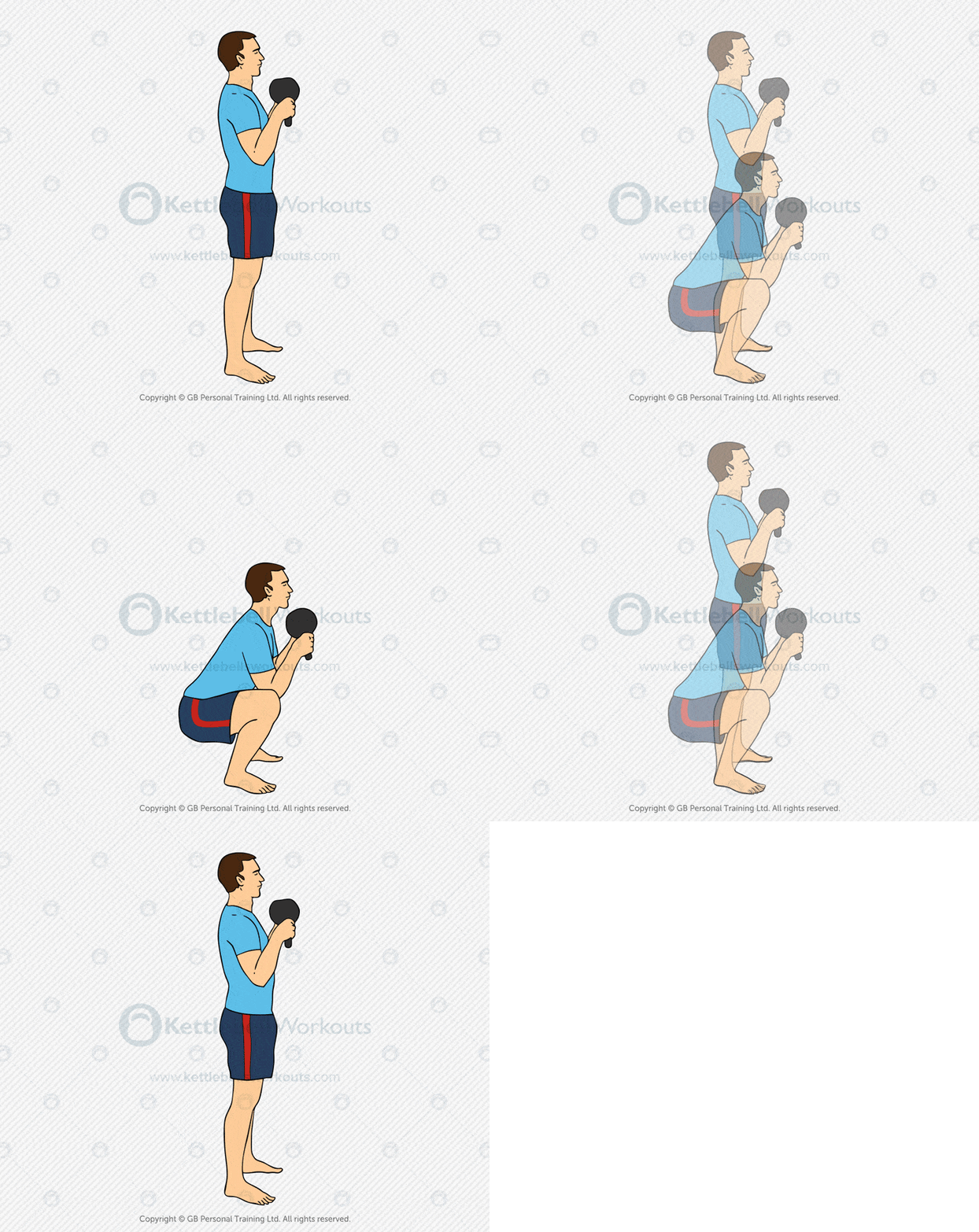
Best for: leg strength, glutes and controlled knee flexion.
Hold the kettlebell close to the chest and squat as deeply as you can while keeping the feet grounded and the trunk controlled.
You do not need to force a particular depth. Use the range you can control well, then gradually improve it as mobility and confidence develop.
Start with: 6 to 10 controlled repetitions for 2 to 3 sets.
Kettlebell Bulgarian Lunge
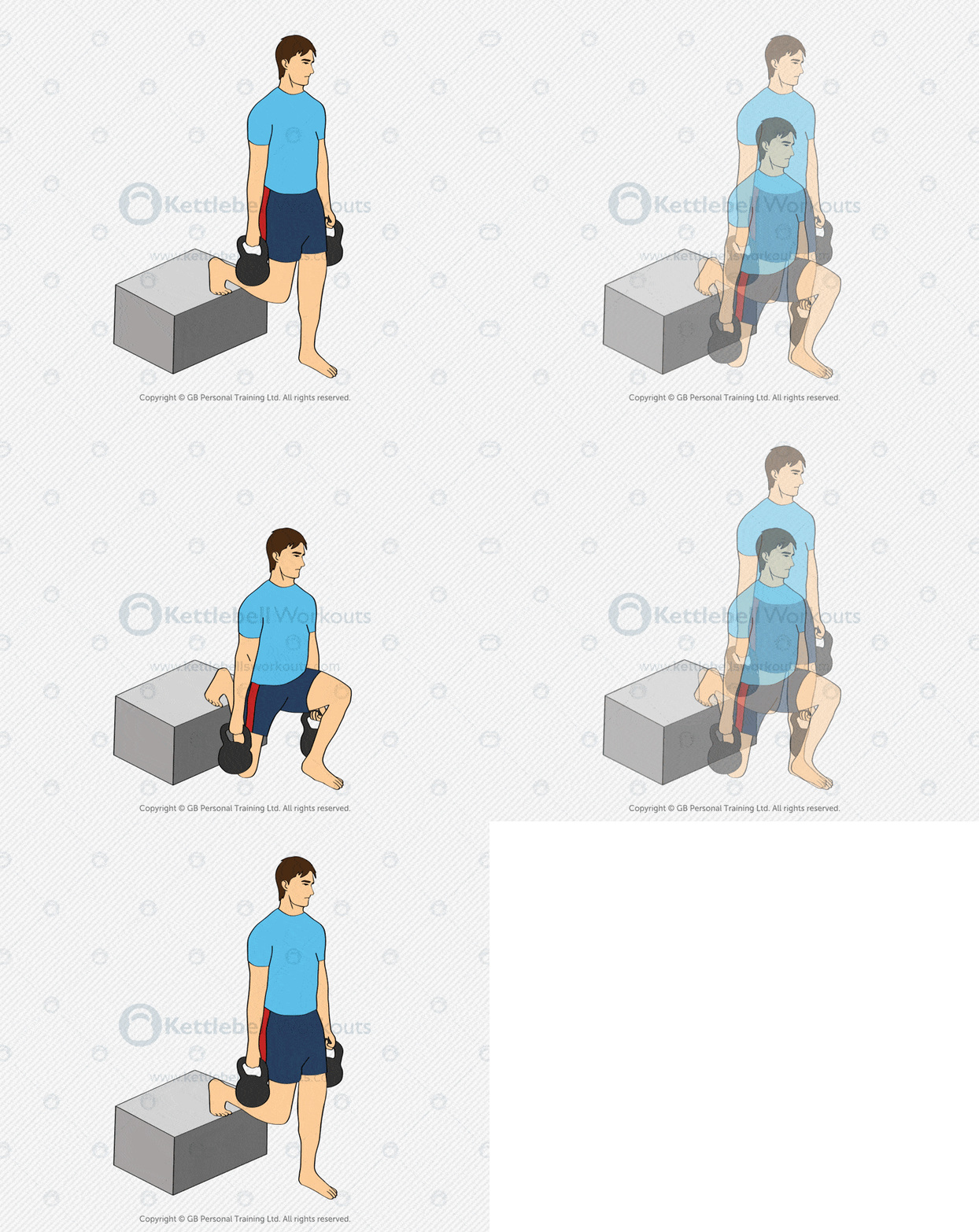
Best for: single-leg strength and glutes.
Elevating the rear foot shifts more of the work onto the front leg. Keep the rear support fairly low and use a stance that lets the front leg move comfortably.
Start without a kettlebell if balance is the limiting factor. Add load only when you can lower and stand without wobbling or collapsing forwards.
Start with: 6 to 8 repetitions per side for 2 to 3 sets.

Kettlebell Single-Leg Deadlift
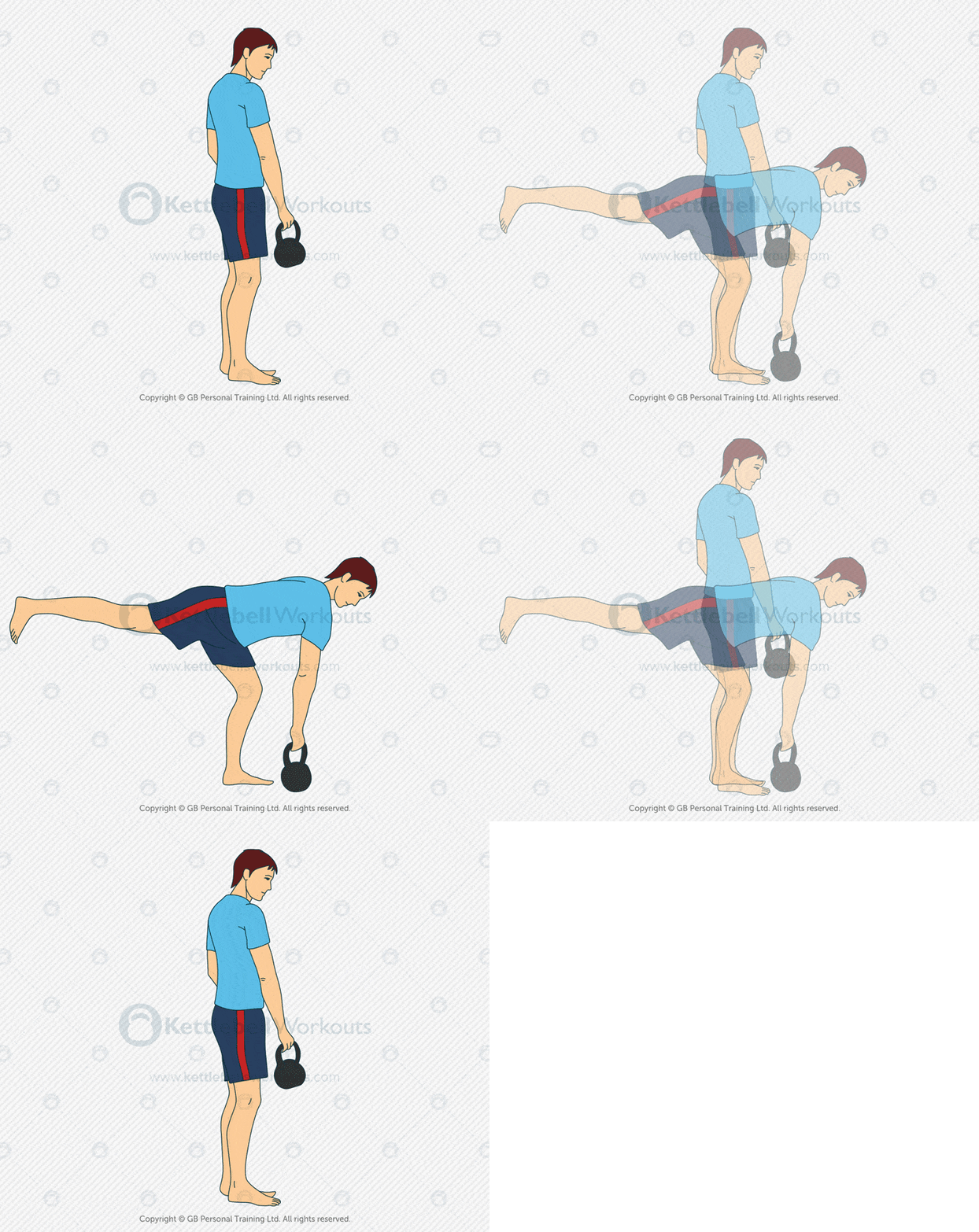
Best for: hamstrings, glutes, balance and hip control.
The Single-Leg Deadlift is one of my favourite exercises for cyclists because it strengthens the back of the hip while also asking you to control the pelvis on 1 leg.
Think about reaching the free leg backwards as the chest moves forwards. Keep the hips facing the floor and stop before the back begins to round.
Start with: 5 controlled repetitions per side. Practise bodyweight first if needed.
Kettlebell Swing
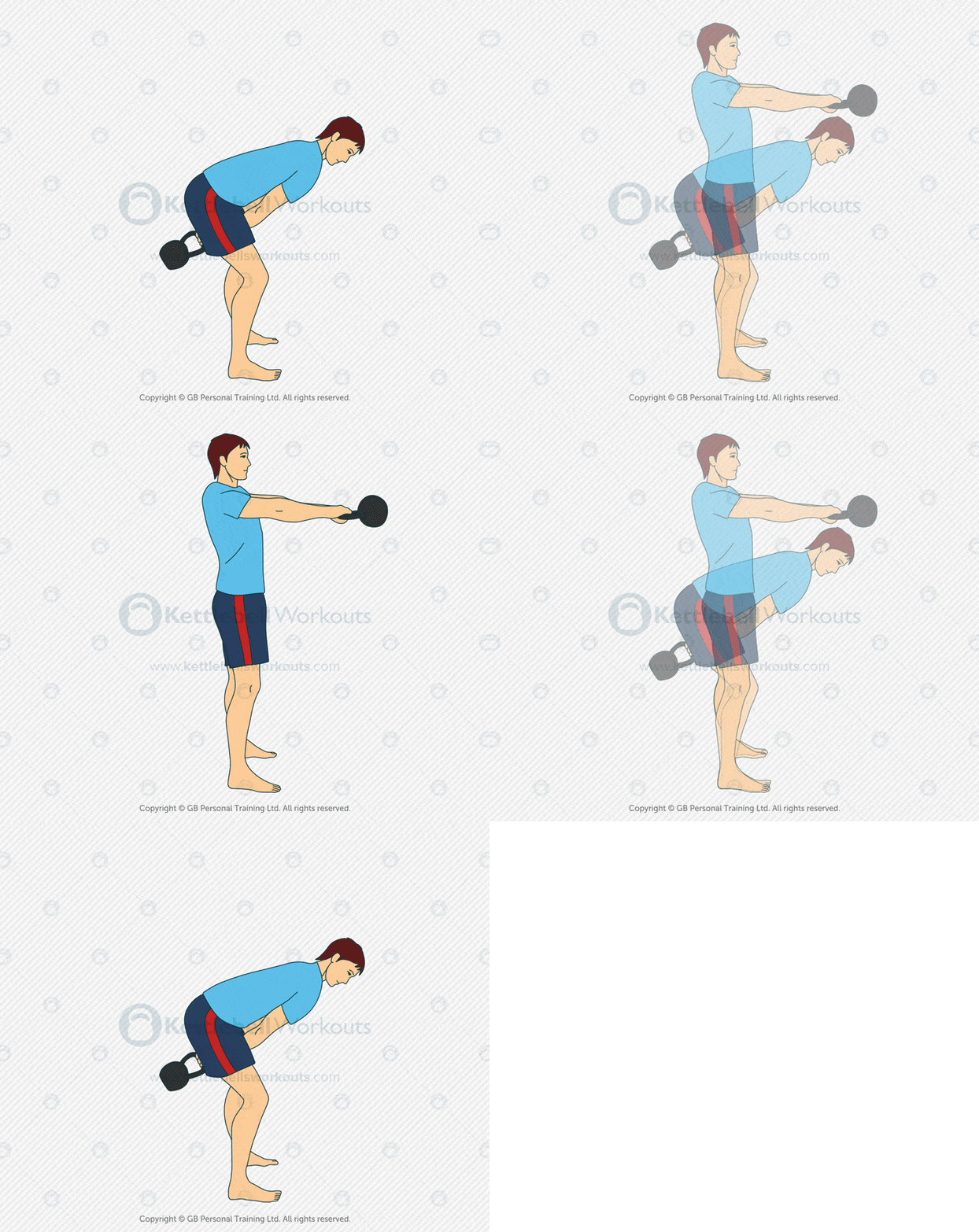
Best for: hip power and conditioning.
The Swing is a fast hip-hinge exercise. The hips drive the kettlebell forwards while the arms guide it rather than lifting it.
I would only use the Swing once you are comfortable with a basic deadlift and hip hinge. Finish tall without leaning backwards at the top.
Start with: sets of 10 repetitions with enough rest to keep every set crisp. Build to 3 to 5 sets before chasing higher totals.
Kettlebell Bent Over Row
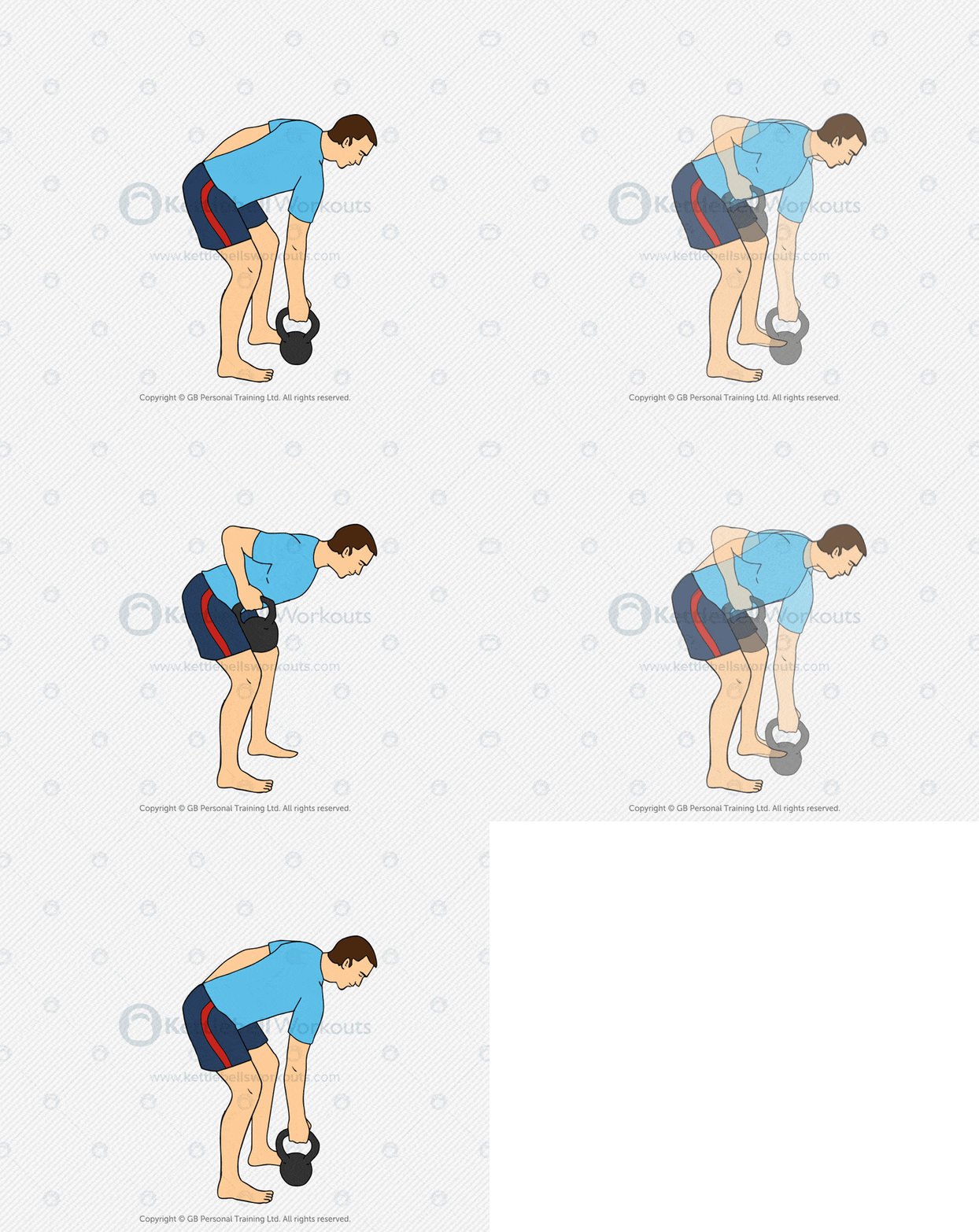
Best for: upper back, pulling strength and trunk control.
The Row gives cyclists useful pulling work to complement long periods spent supporting the upper body on the handlebars.
Hinge at the hips, keep the trunk strong and row the kettlebell towards the hip. If holding the bent-over position is uncomfortable, use a supported row with 1 hand on a bench or chair.
Start with: 8 to 12 repetitions per side for 2 to 3 sets.
Kettlebell Renegade Row
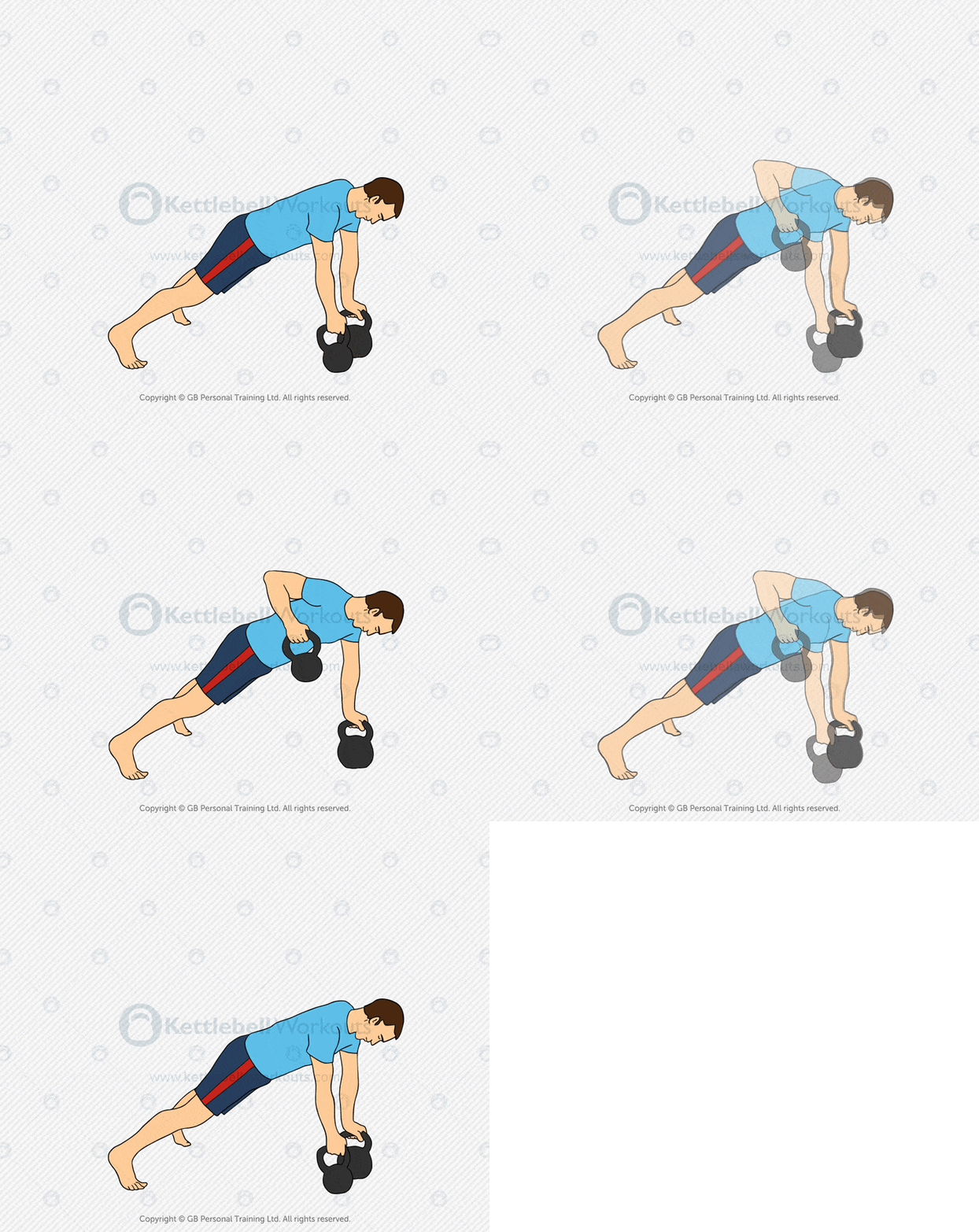
Best for: advanced trunk stability and upper-body strength.
The Renegade Row combines a plank with a rowing movement, so it is much more demanding than the standard Bent Over Row.
Keep the feet wide enough to create a stable base and resist rotating the pelvis as you row. If you cannot hold a strong plank first, stay with the supported or bent-over row.
Start with: 5 controlled repetitions per side using a light kettlebell.
3 Kettlebell Workouts for Cyclists
You do not need to use all 8 exercises in every session. These 3 workouts give you a simple progression.
Workout 1: Foundation
- Slingshot: 10 each direction
- Single-Leg Deadlift: 5 each side
- Bent Over Row: 8 each side
- Goblet Squat: 8 reps
Complete 2 to 3 rounds.
Workout 2: Strength + Swing
- Slingshot: 10 each direction
- Two-Handed Swing: 10 to 15 reps
- Bent Over Row: 8 each side
- Bulgarian Lunge: 6 each side
- Farmers Carry: 30 sec each side
Complete 2 to 3 rounds.
Workout 3: Advanced
- Slingshot: 10 each direction
- Single-Arm Swing: 10 each side
- Renegade Row: 5 each side
- Bulgarian Lunge: 8 each side
- Farmers Carry: 45 sec each side
Complete 2 to 3 rounds.
How Often Should Cyclists Strength Train?
The right amount depends on how much riding you are already doing and which sessions matter most that week.
| Training phase | Simple starting point |
|---|---|
| Off-season or low riding volume | 2 strength sessions per week, occasionally 3 if recovery is good. |
| Normal riding season | 1 to 2 strength sessions per week. |
| Heavy riding or racing week | Reduce strength volume, keep loads sensible, or skip a session if it compromises key rides. |
How Heavy Should the Kettlebell Be?
I would not choose kettlebell weight by sex or by a fixed chart. Choose a load that lets you complete the prescribed repetitions with clean technique and a couple of good repetitions still available.
The correct kettlebell will vary between exercises. You may use a much heavier kettlebell for a Goblet Squat or Farmers Carry than for a Single-Leg Deadlift or Renegade Row.
If you are new to kettlebells, start lighter than you think you need and learn the movement first.
Strength Training Will Not Replace Cycling Practice
Kettlebells can improve general strength and power, but the most specific way to become better at climbing, sprinting and sustained riding is still to practise those qualities on the bike.
Think of the kettlebell work as support. It should make you stronger and more capable away from the bike without stealing energy from the cycling that matters most.
Related Kettlebell Guides
If you want to build on this programme, these guides are the most useful next steps:
Frequently Asked Questions
Are kettlebells good for cyclists?
Yes. Kettlebells are useful for adding hip, leg, trunk and upper-back strength without needing a large gym setup. The key is to keep the strength work appropriate to your riding volume.
What is the best kettlebell exercise for cyclists?
There is no single best exercise. I would prioritise the Goblet Squat, Single-Leg Deadlift, Swing, Row and Farmers Carry because together they cover leg strength, hip strength, pulling strength, trunk control and power.
Should cyclists lift weights during the cycling season?
They can, but the volume usually needs to be lower than during the off-season. Keep the strength work far enough away from important rides that soreness and fatigue do not reduce cycling quality.
Can kettlebell training improve cycling sprinting?
Kettlebell exercises can develop general strength and hip power, but sprinting is highly specific. If sprinting is your goal, practise sprinting on the bike as well.


Hi
My brother left his kettle bell at my house. It is bit heavy for me, but I managed. Loved it, thank you!
Kind regards
Shayle