
Last Updated on 13 August 2026 by Greg Brookes

Kettlebell training can be useful supplementary strength and conditioning for rock climbers, but it should support your climbing rather than compete with it.
The biggest benefits come from building general pulling strength, grip endurance, hip and leg strength, trunk control and conditioning away from the wall. Kettlebells also let you train these qualities with very little equipment.
The 11 exercises below cover the main physical qualities that complement climbing, followed by a simple kettlebell workout for climbers.
Kettlebell Training for Rock Climbers
Kettlebells are most valuable when they fill gaps that climbing alone does not cover efficiently. Think of them as general physical preparation for strength, power, grip, balance and conditioning.
The more climbing-specific a quality becomes, such as route reading, footwork, contact strength or movement economy, the more important actual climbing becomes.
Core Strength and Stability for Climbing
Climbing requires the trunk to transfer force between the hands and feet while the body changes position. Swings, Get Ups and Windmills train this in different ways without reducing core training to isolated abdominal work.
Kettlebell Single-Arm Swing
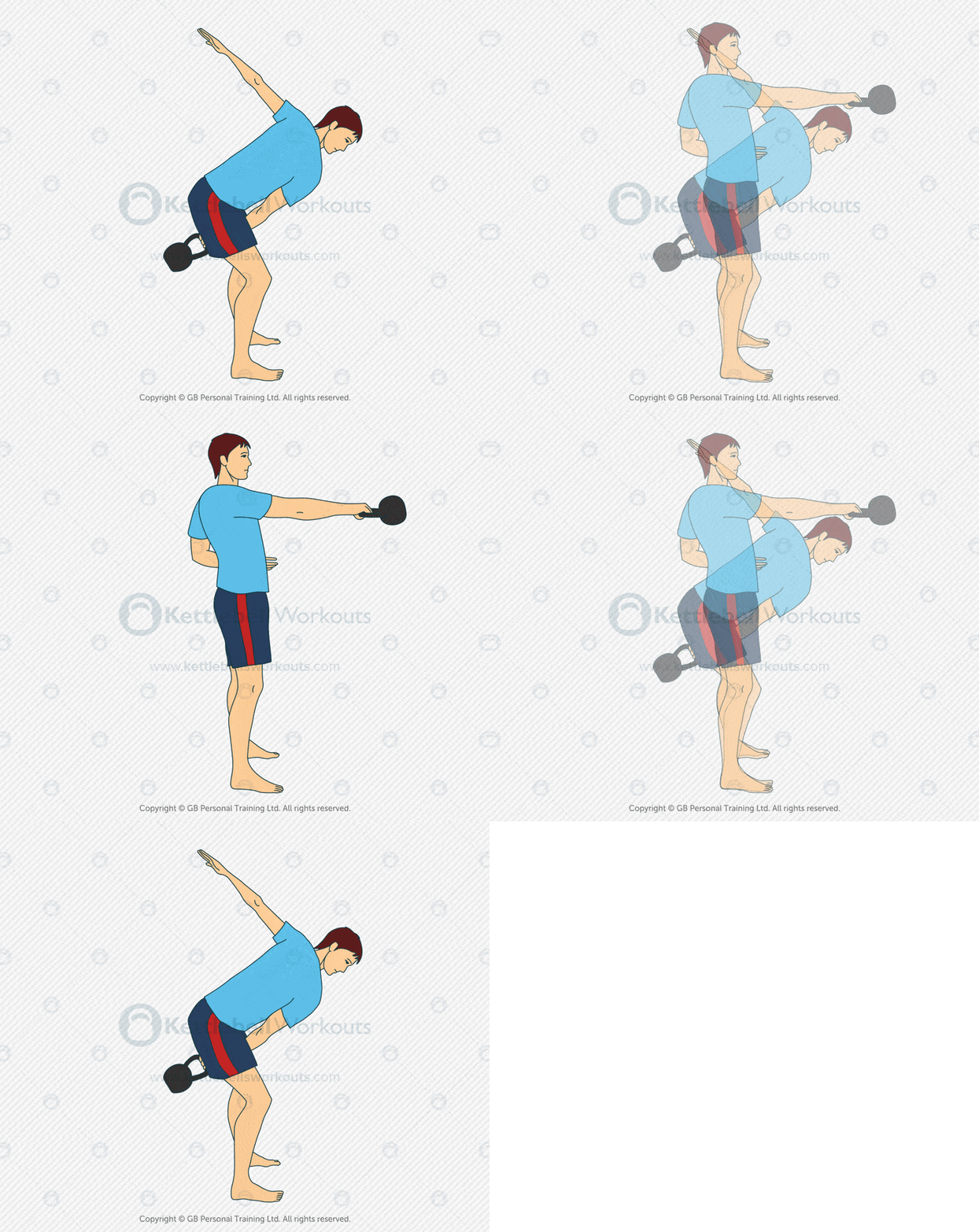
The Single-Arm Swing develops hip extension while the trunk controls the changing pull of the kettlebell. For climbers, it is useful as general power and conditioning work rather than as a direct imitation of climbing.
Keep the movement hip-driven and let the free arm move naturally. Build the Two-Handed Swing first if your hinge technique is not already reliable.
Turkish Get Up
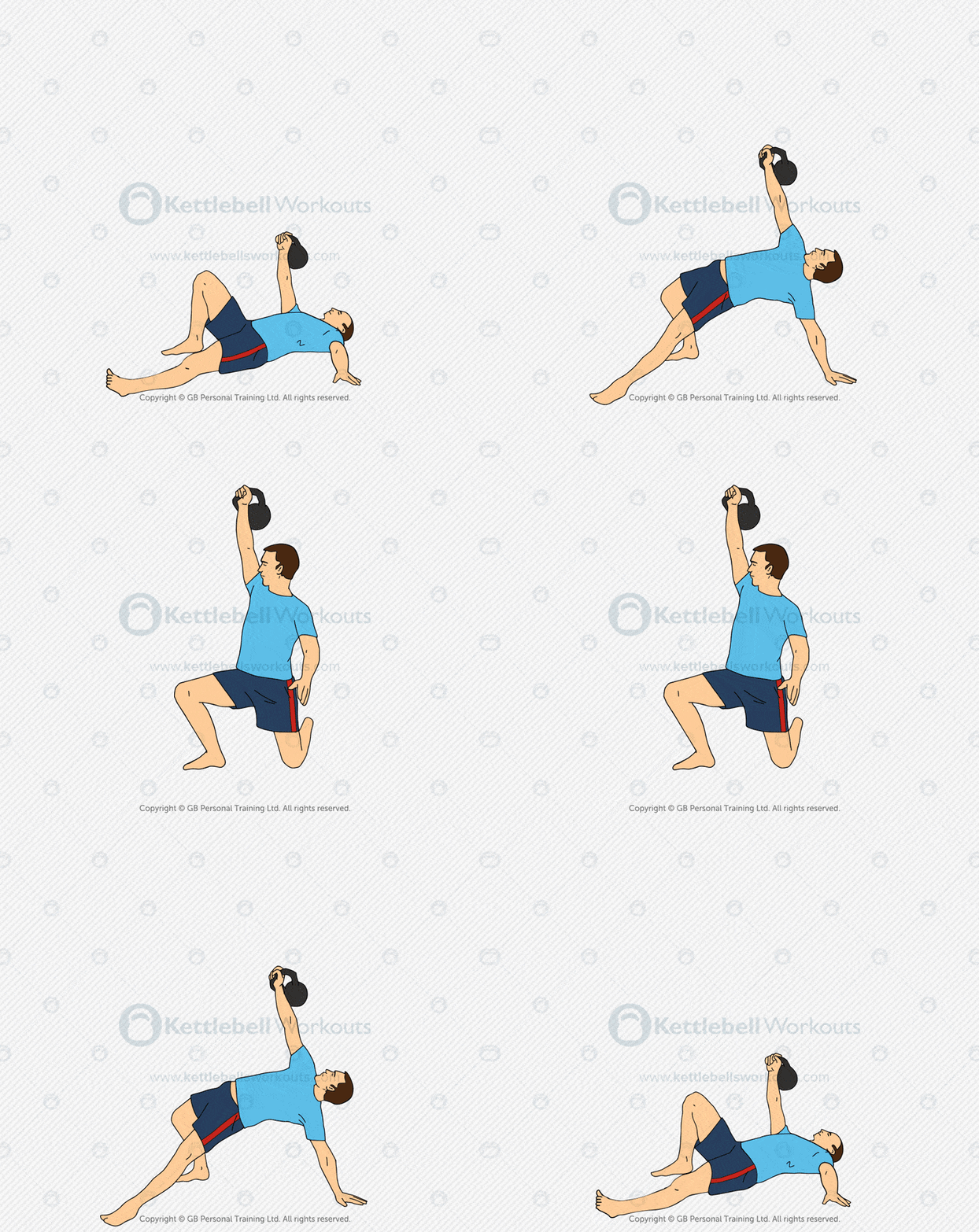
The Turkish Get Up asks the shoulder, trunk, hips and legs to keep reorganising as you move from the floor to standing. That makes it valuable supplementary strength work for climbers who need control in unusual body positions.
Learn the sequence without load first, then increase the kettlebell only when each transition remains deliberate.
Kettlebell Windmill
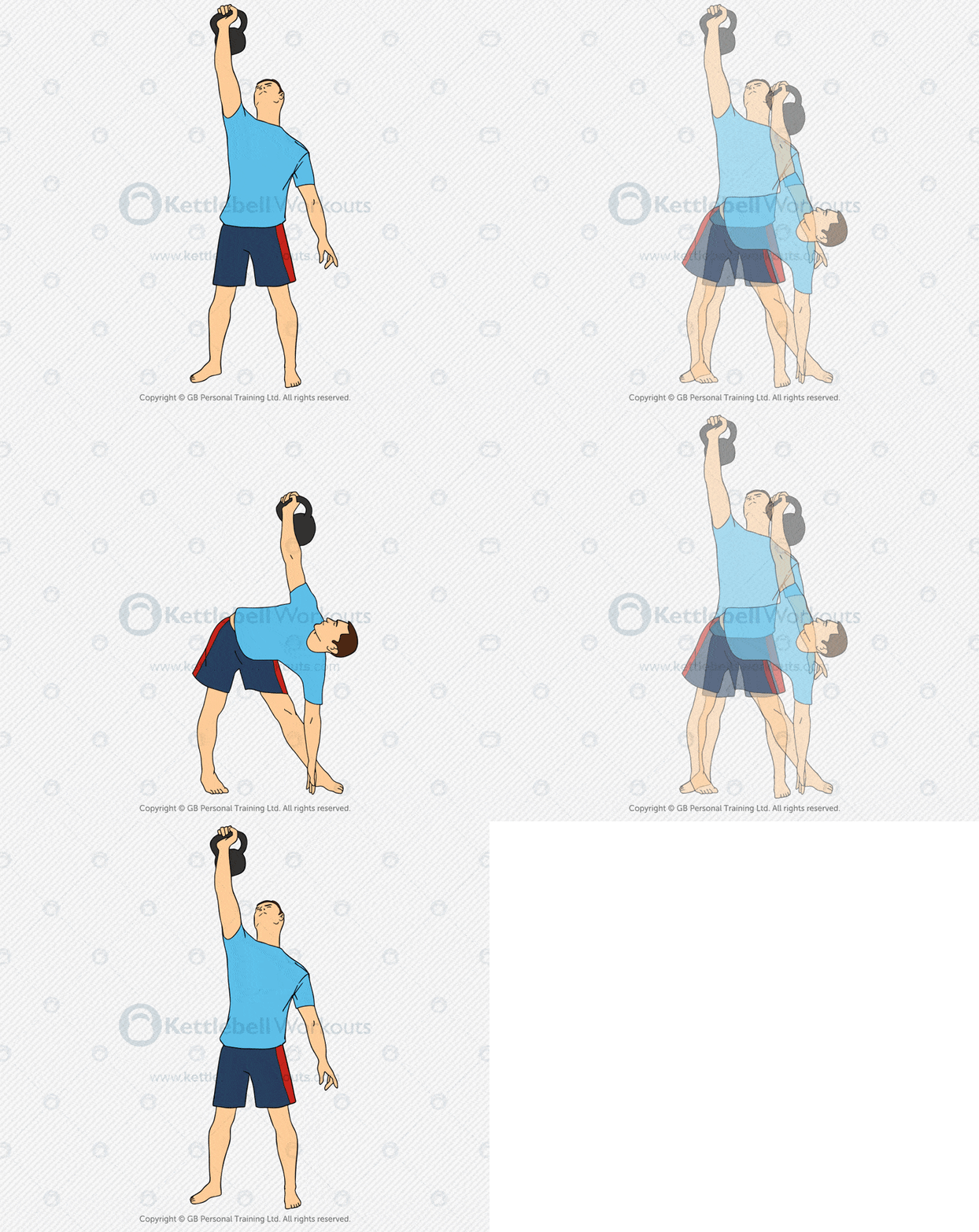
The Windmill combines a hip hinge with rotation and an overhead arm position. It is useful for developing controlled range rather than simply chasing flexibility.
Keep the kettlebell light, move through the hips and stop at the range you can control without collapsing the torso.
Grip Strength and Forearm Endurance for Climbing
Kettlebells can add general grip strength and endurance, particularly through Carries, Cleans and ballistic exercises. They do not reproduce the finger positions and hold types of climbing, so specific grip work should still come from climbing and appropriate climbing-specific training.
Farmer’s Walk
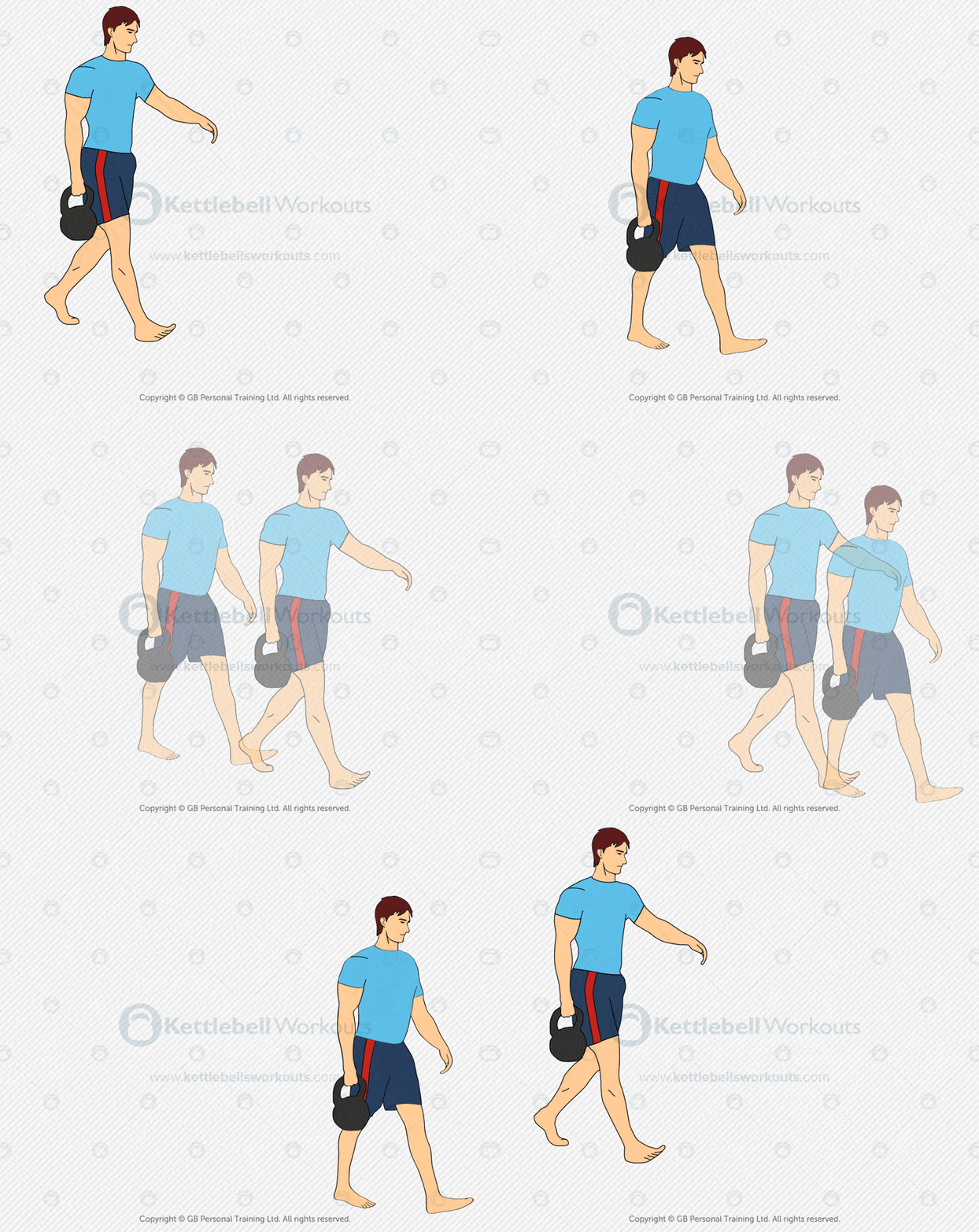
Carries are one of the simplest ways to add grip work without making every session finger-specific. Hold the kettlebell securely, walk normally and keep the trunk organised.
For climbers, this should complement rather than replace time on holds, hangboard work or climbing-specific grip practice.
Kettlebell Clean
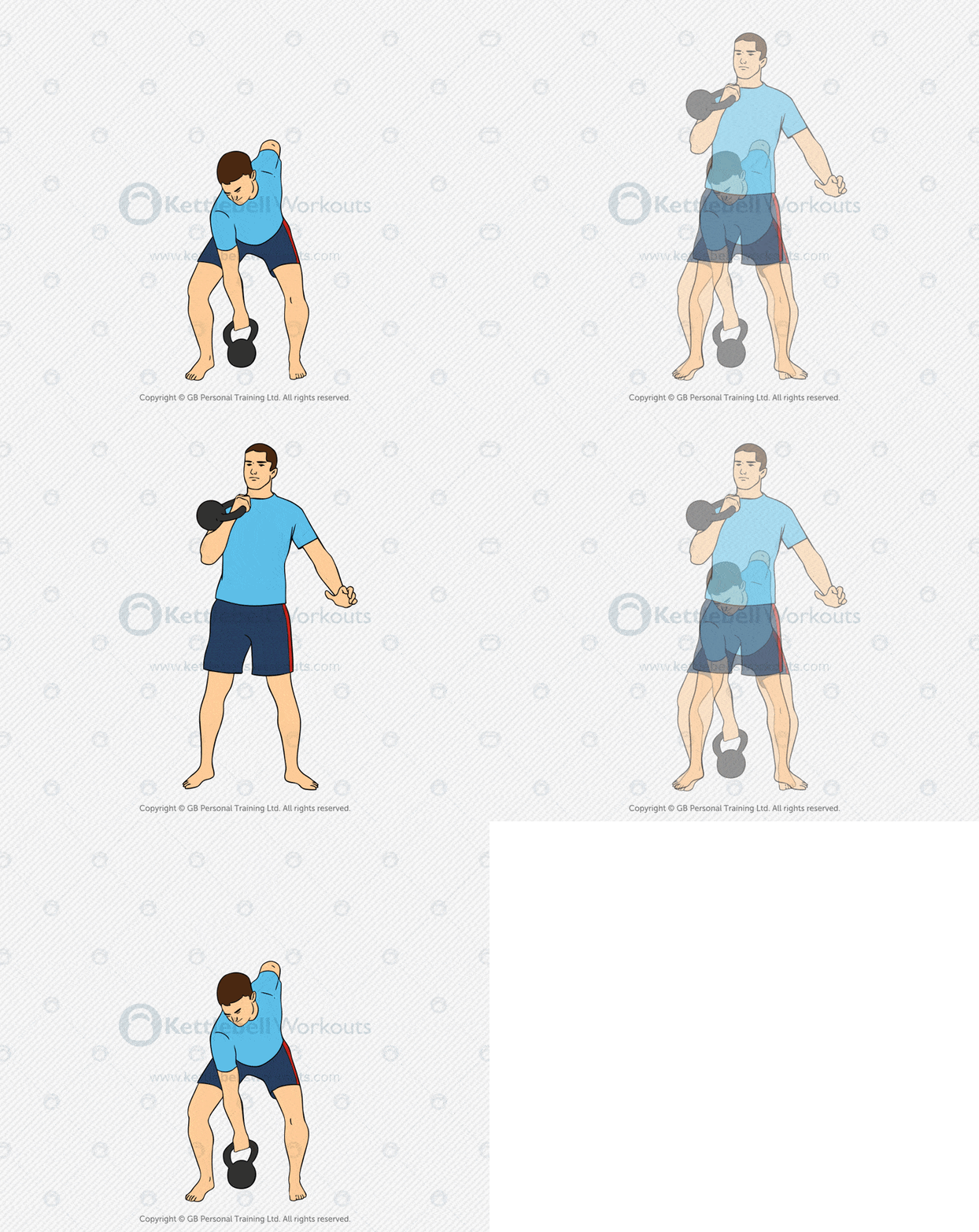
The Clean moves the kettlebell from the floor or backswing into the rack using the hips. It challenges timing and grip while adding a useful power movement to a climber’s strength programme.
Keep the bell close and let the hand wrap around the kettlebell rather than allowing it to crash onto the forearm.
Kettlebell Snatch
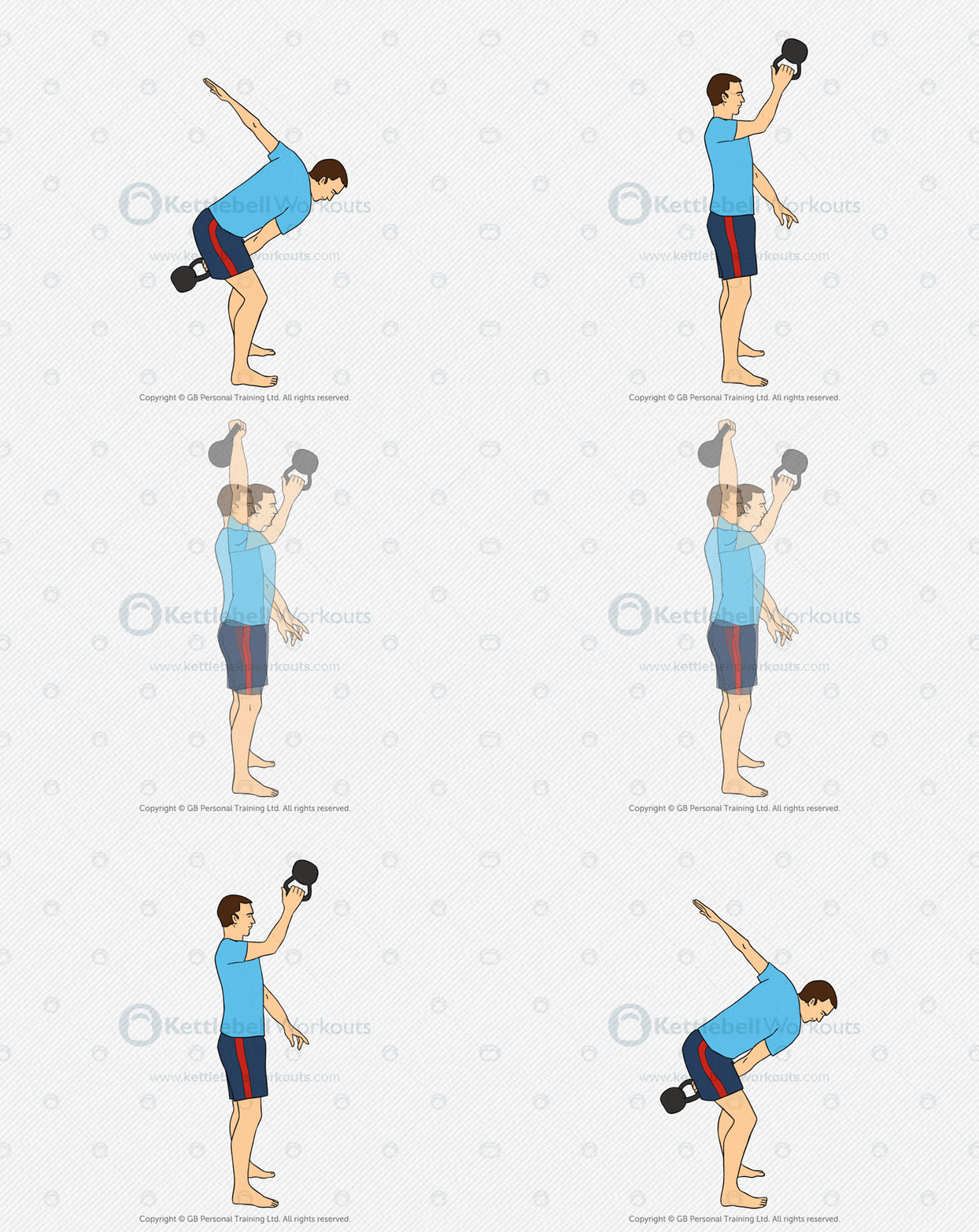
The Snatch is a faster and more technical progression from the Swing and Clean. It can be effective for conditioning when you already own the movement.
Because climbing already places a lot of demand on the hands and forearms, keep the volume sensible and avoid adding high-repetition Snatches simply for extra fatigue.

Upper Body Strength for Climbers
Rows and High Pulls develop general pulling strength through the back and arms. They are useful because the load is easy to progress and the exercises do not depend on finger strength being the limiting factor.
Kettlebell Bent Over Row
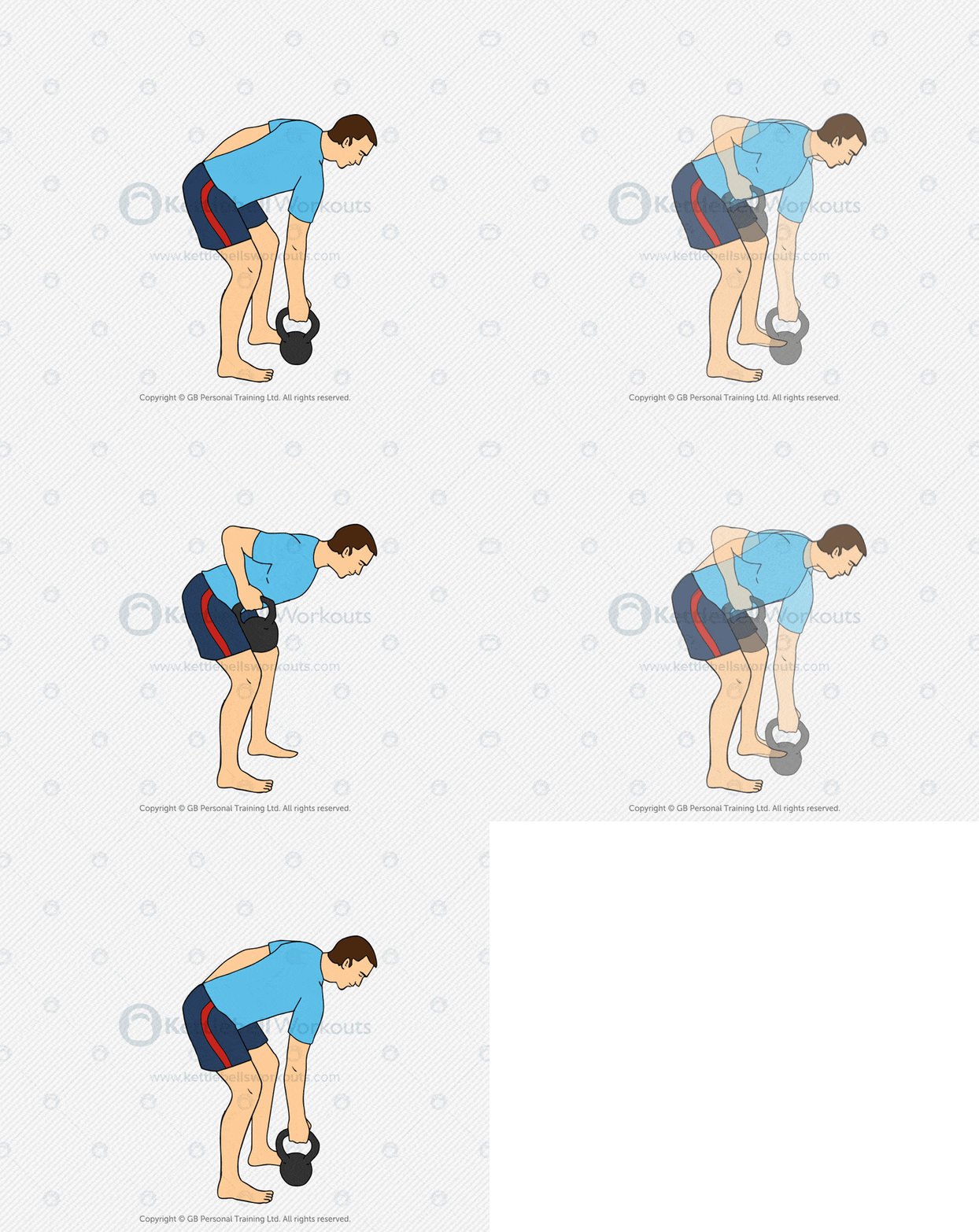
The Bent Over Row is the most straightforward strength exercise here for the upper back and arms. It gives you a progressive pulling movement without trying to copy a climbing hold.
Keep the hinge stable and pull the kettlebell towards the ribs without rotating the torso. Use a bench-supported version if the hinge limits the back work.
Kettlebell High Pull
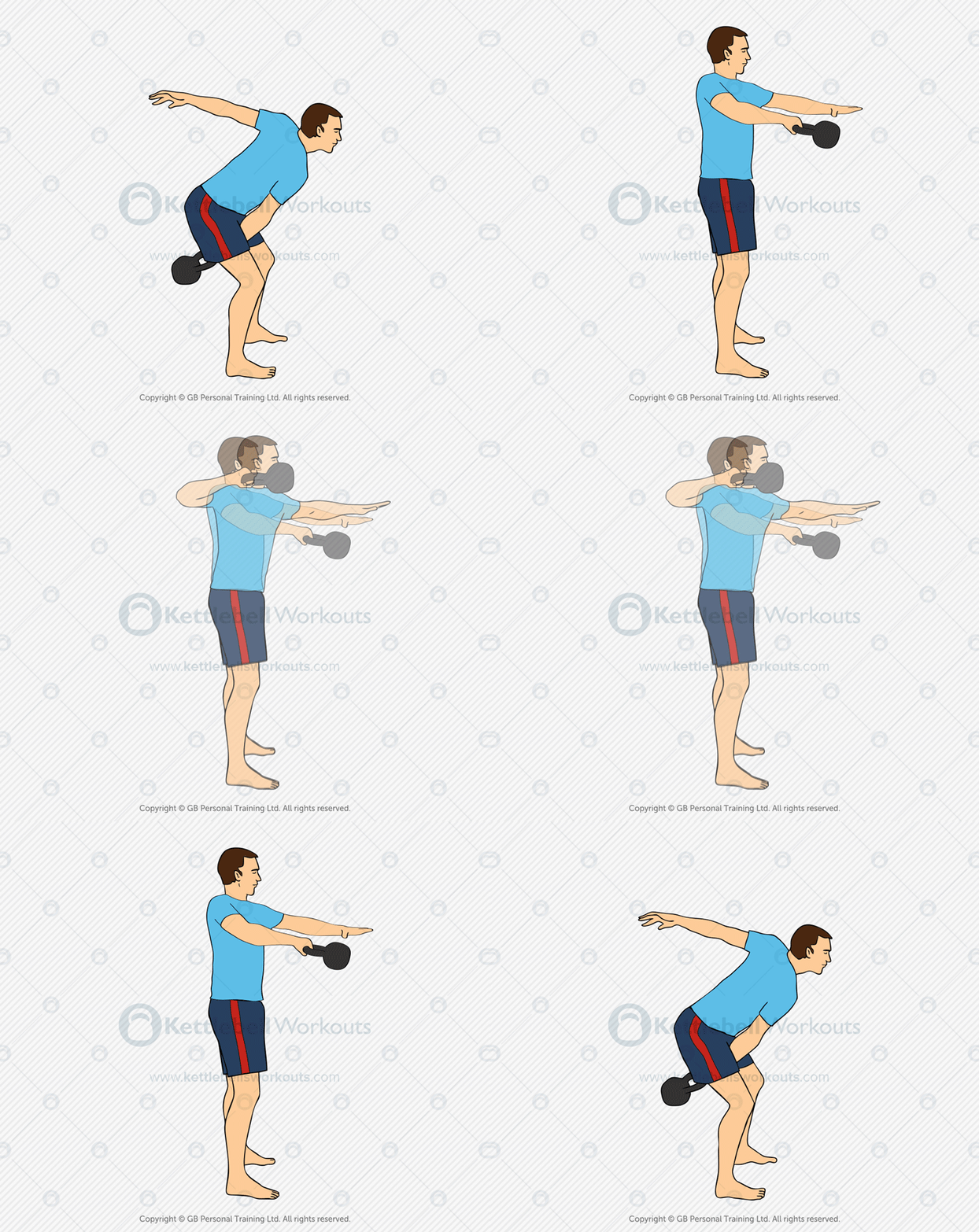
The High Pull builds on the Swing by adding a fast pull while the bell is relatively weightless. It combines hip power with upper-back involvement.
Drive from the hips first and guide the kettlebell with the arm. Do not turn the movement into an upright row.
Kettlebell Renegade Row
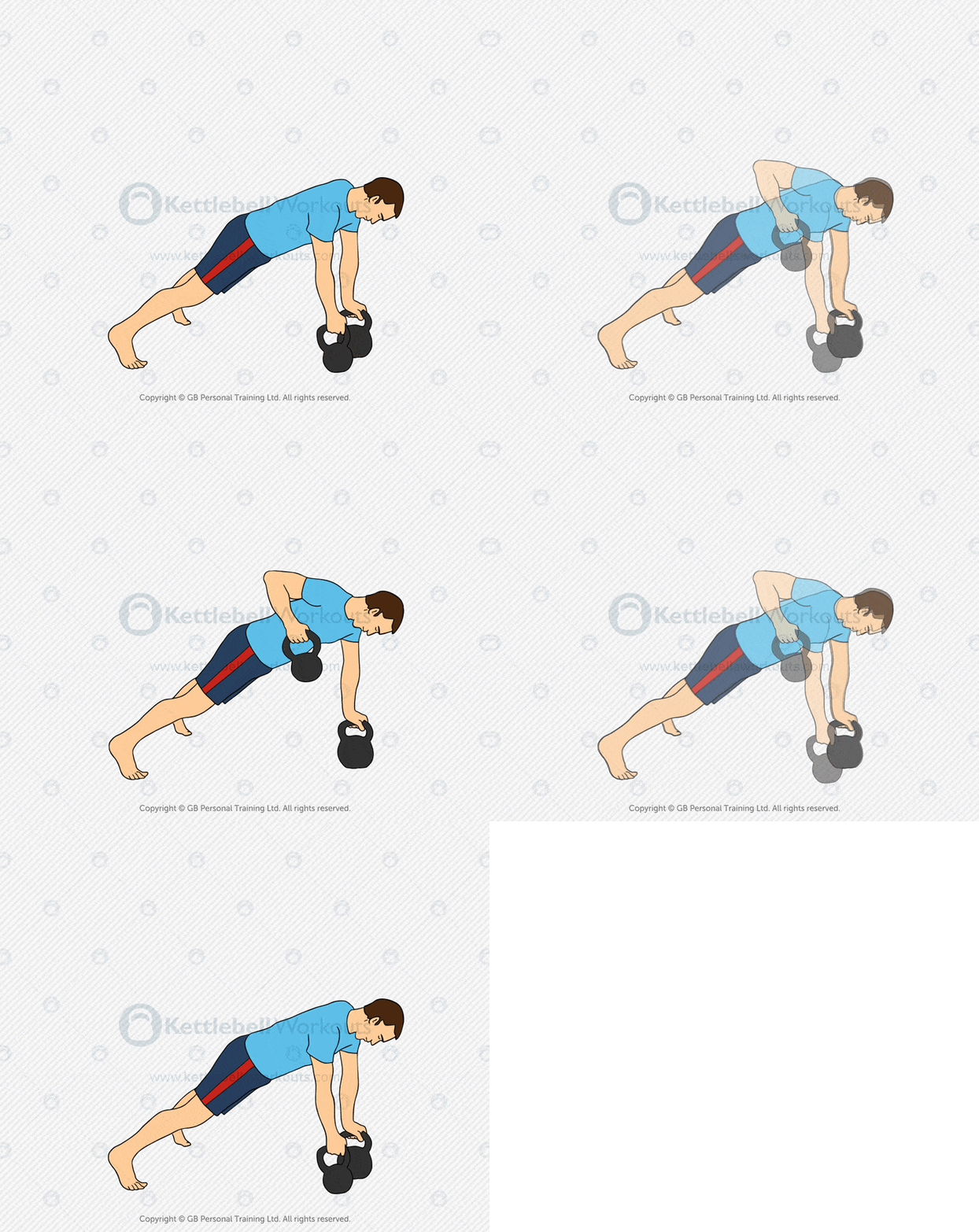
The Renegade Row combines a Row with a plank-based anti-rotation challenge. It can be useful, but balance on 2 kettlebells should not become the main difficulty.
If the bells feel unstable, use a supported 1-arm Row on a bench or box and train the trunk separately.
Leg Strength, Balance and Movement for Climbers
Strong climbing is not just pulling. Good footholds only help if you can push through them, control the hips and transfer bodyweight from 1 leg to the other.
Kettlebell Reverse Lunge
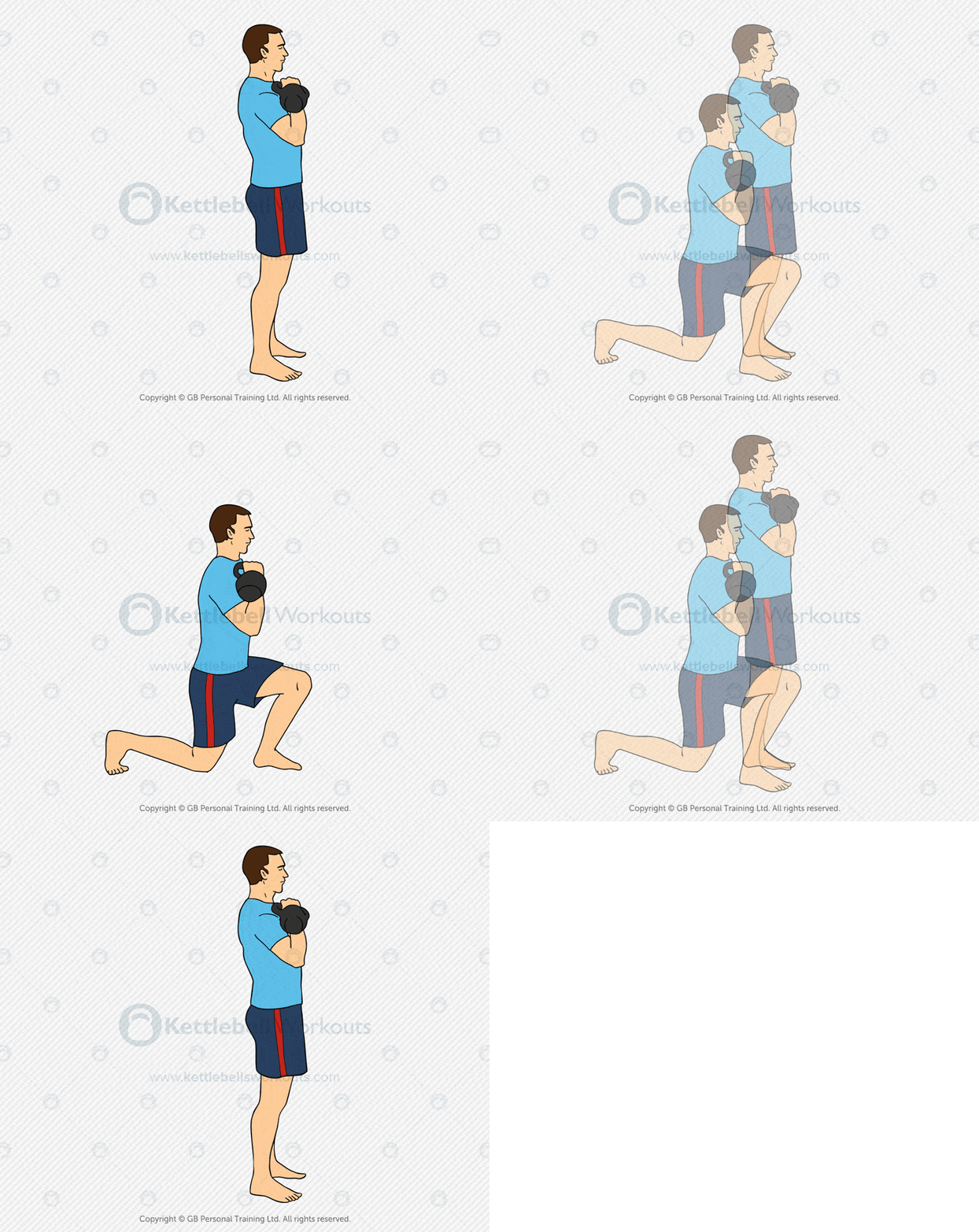
Climbers need strong legs as well as strong arms. Reverse Lunges train unilateral leg strength through a large range while the kettlebell adds trunk and balance demands.
Step back far enough to keep the front foot stable, then drive through the front leg to return to standing.
Kettlebell Single-Leg Deadlift
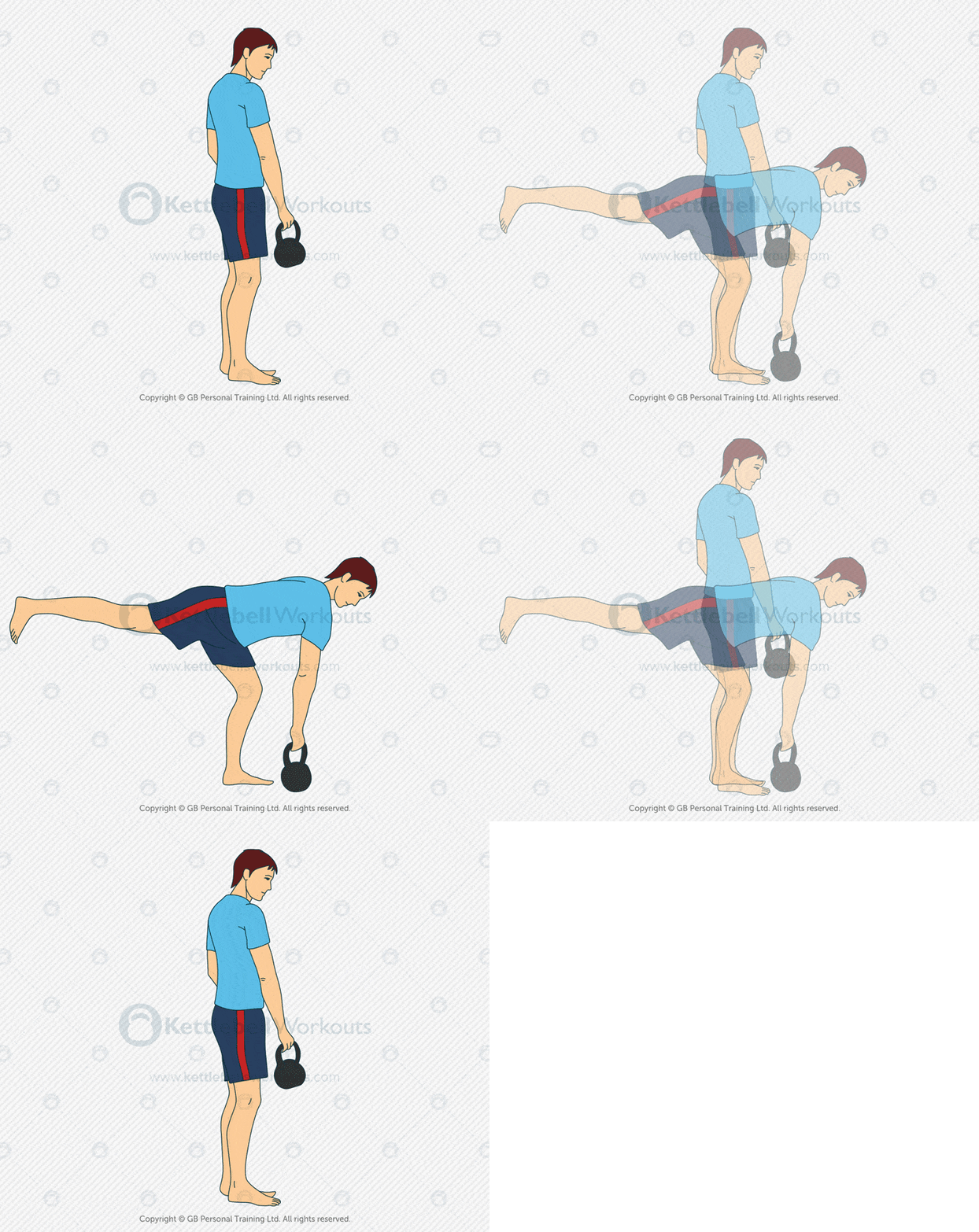
The Single-Leg Deadlift develops the ability to hinge and produce force while balancing on 1 leg. It is useful supplementary work for climbers who regularly shift bodyweight between footholds.
Use support if balance prevents you from loading the hip effectively. The exercise is still useful even when 1 fingertip is helping you stay steady.
Conditioning for Rock Climbing
Kettlebells are useful for general conditioning because Swings, Cleans and Carries can be organised into short circuits without needing much space. But general cardio and climbing-specific endurance are not the same thing.
Kettlebell Workout for Climbers
This workout covers single-leg strength, trunk control, pulling strength, grip and conditioning without trying to duplicate the climbing session itself.
Climbing Is Still the Most Specific Training
Kettlebells can make you stronger and better conditioned, but climbing performance depends heavily on skills that only climbing develops properly.
How to Use Kettlebells for Climbing Performance
Use kettlebells to build general strength, grip endurance, hip power, balance and conditioning. Keep the programme simple enough that you can still arrive at the wall fresh enough to practise the sport itself.
For most climbers, 1 to 2 focused kettlebell strength sessions each week is plenty alongside regular climbing. Choose a small number of exercises, progress them over time and let the climbing remain the most specific part of the programme.
Related Kettlebell Guides
Frequently Asked Questions
Are kettlebells good for rock climbers?
Yes. Kettlebells can supplement climbing with general pulling strength, grip endurance, hip and leg strength, trunk control and conditioning. They should complement rather than replace climbing-specific practice.
What are the best kettlebell exercises for climbers?
Useful choices include Rows, Farmer’s Carries, Single-Leg Deadlifts, Reverse Lunges, Swings, Windmills and Turkish Get Ups. Choose exercises according to the quality you need rather than trying to include everything at once.
What is a good kettlebell workout for climbers?
A simple session can combine a Single-Leg Deadlift, Windmill, Swing, Bent Over Row, Reverse Lunge and Turkish Get Up for 2 to 3 controlled rounds.
Do kettlebells improve climbing grip strength?
They can improve general grip strength and endurance through Carries, Cleans and ballistic exercises. Climbing-specific finger strength still needs to be developed with climbing and appropriate grip-specific training.
How often should climbers train with kettlebells?
For many climbers, 1 to 2 strength sessions per week is enough alongside climbing. The exact amount depends on your climbing volume, training age and recovery.
Should I lift weights or climb more to improve climbing?
If climbing skill is the limiting factor, more high-quality climbing practice usually deserves priority. Strength training is most useful when it develops a physical quality that climbing alone is not improving efficiently.


Comments