
Last Updated on 19 August 2026 by Greg Brookes
Golf rewards skill and timing, but your body still has to create and control force through the ground, hips and trunk. A useful strength programme should support those qualities without trying to turn a weighted exercise into a golf swing.
I play golf myself, and when I look at kettlebell training for golfers I want exercises that improve hip power, single-leg strength, lateral control, trunk stability, mobility and general strength. The 8 exercises below cover those qualities without unnecessarily copying the golf swing under load.

What Should Golf Strength Training Develop?
A golf swing is fast and rotational, but that does not mean every gym exercise needs to involve twisting. In fact, a good programme should build the underlying qualities that let you rotate, transfer force and stay balanced more effectively.
8 Kettlebell Exercises for Golfers
You do not need all 8 exercises in every workout. Think of them as a toolbox. Start with the simpler strength movements, then add the more dynamic exercises as your technique improves.
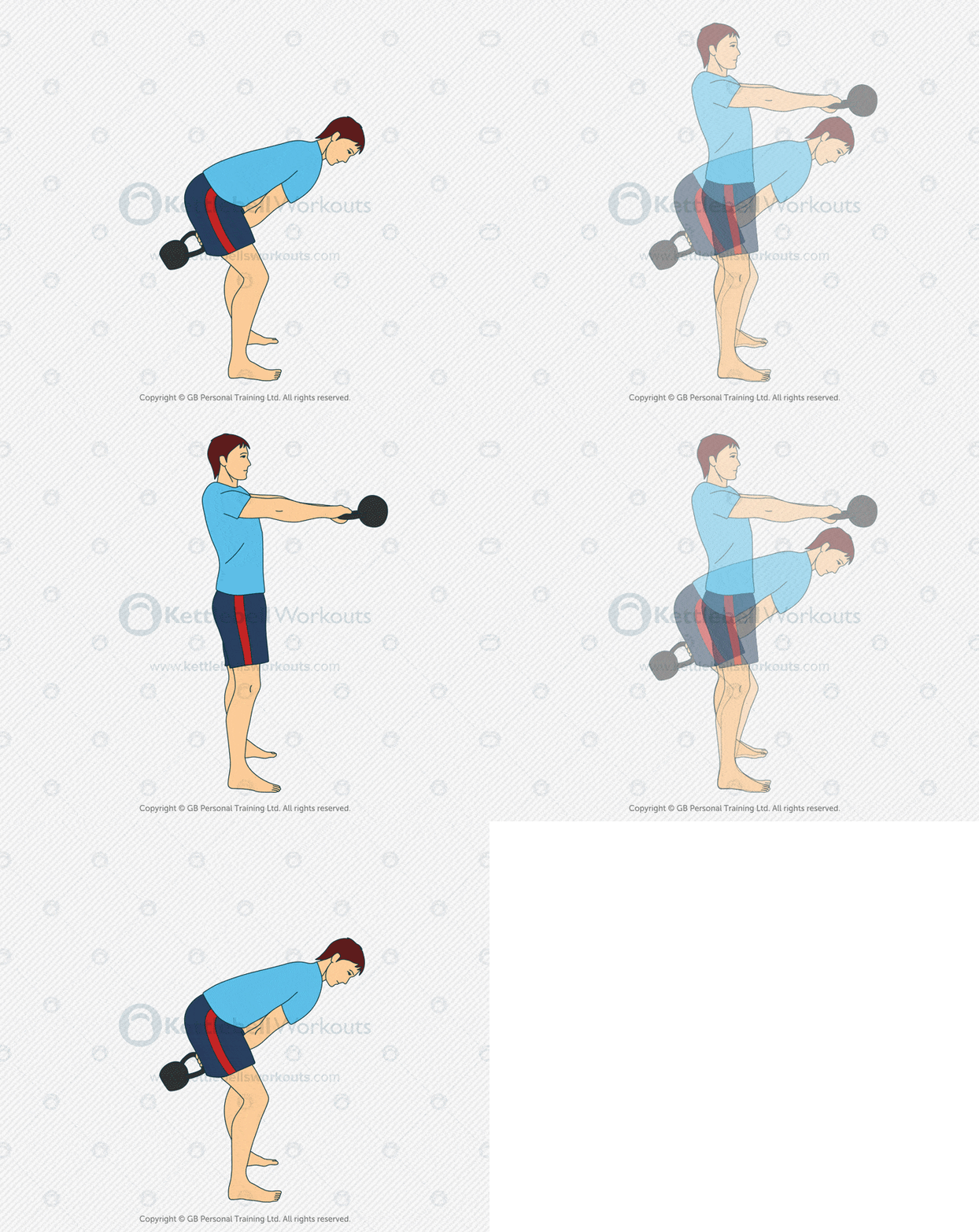
1. Two-Handed Kettlebell Swing
The swing is the main power exercise in this list. It teaches you to create force through a rapid hip extension while keeping the arms relatively relaxed. For golf, I like it because the power begins from the ground and hips rather than from deliberately twisting with a weight.
Coaching cue: Hinge, snap the hips forwards and let the kettlebell float. Do not turn the swing into a shoulder raise.
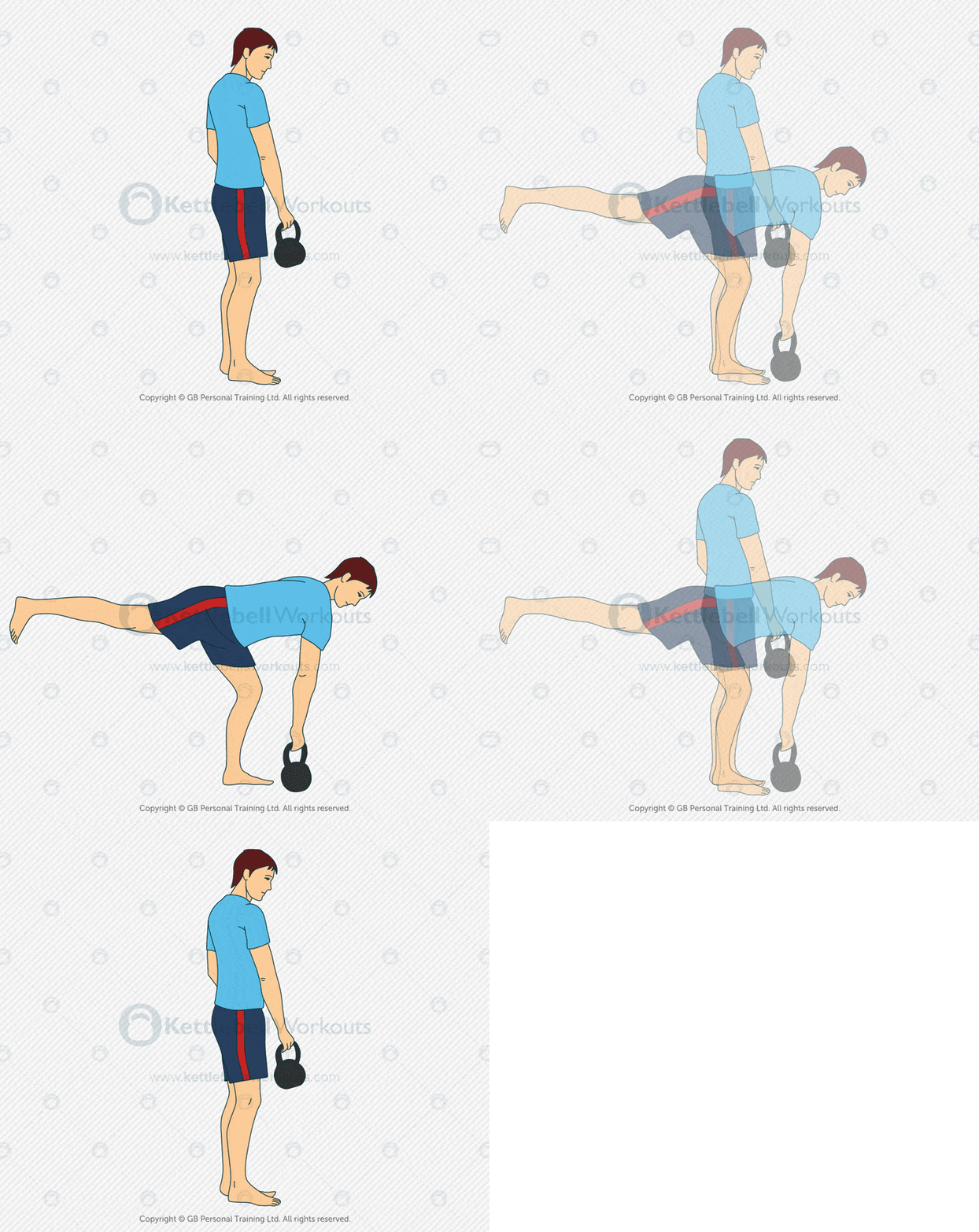
2. Kettlebell Single-Leg Deadlift
The single-leg deadlift combines a hip hinge with unilateral strength and balance. It is particularly useful for golfers because each hip has to produce and control force independently while the pelvis stays organised.
Coaching cue: Keep the hips square, reach the free leg back and make the movement come from the standing hip rather than reaching the kettlebell towards the floor.
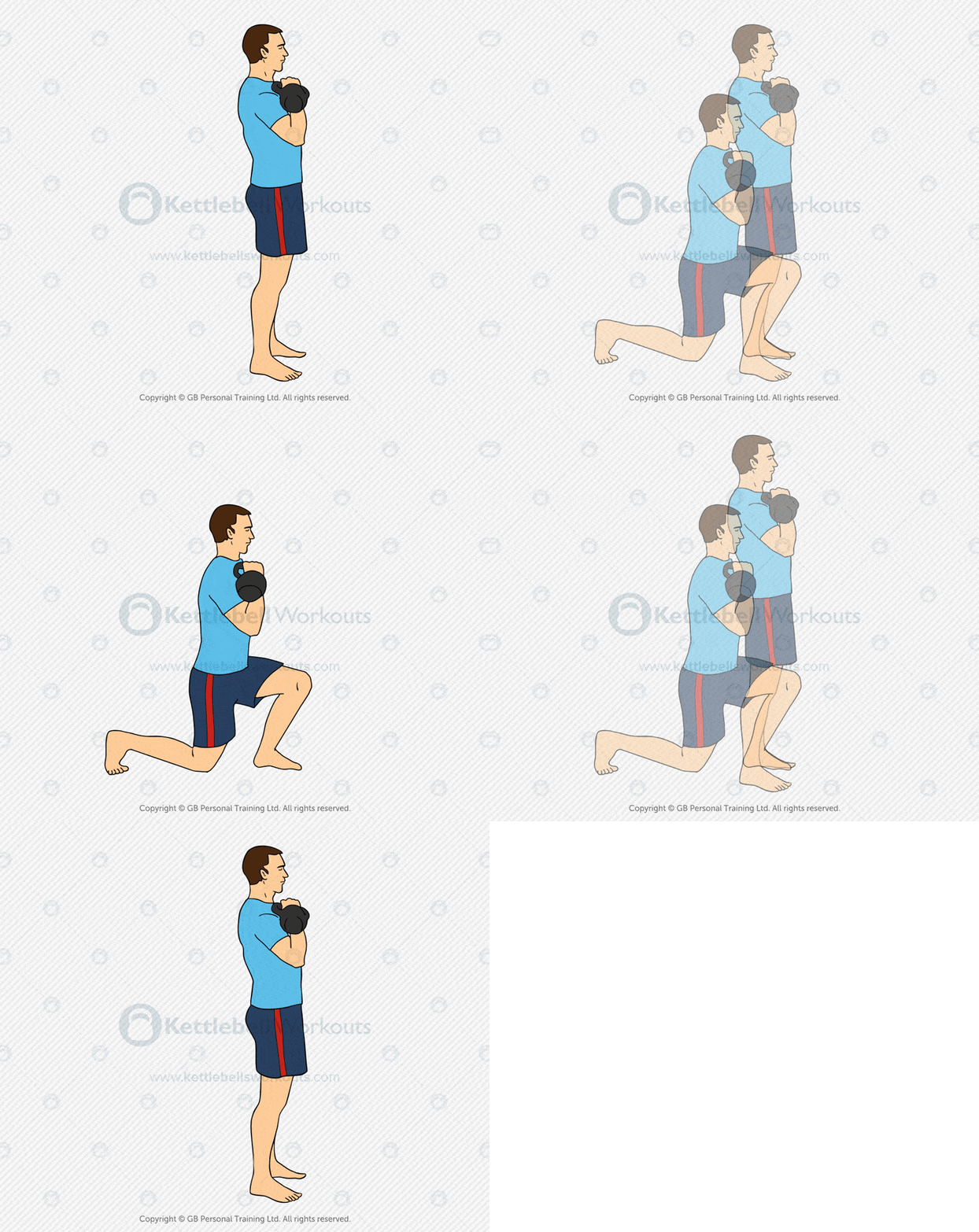
3. Kettlebell Racked Reverse Lunge
The reverse lunge strengthens one leg at a time and challenges the hips without requiring a large amount of load. Holding the kettlebell in the rack position also creates an asymmetrical demand through the trunk.
Coaching cue: Step back far enough to lower under control, keep the front foot firmly planted and stay tall through the torso.
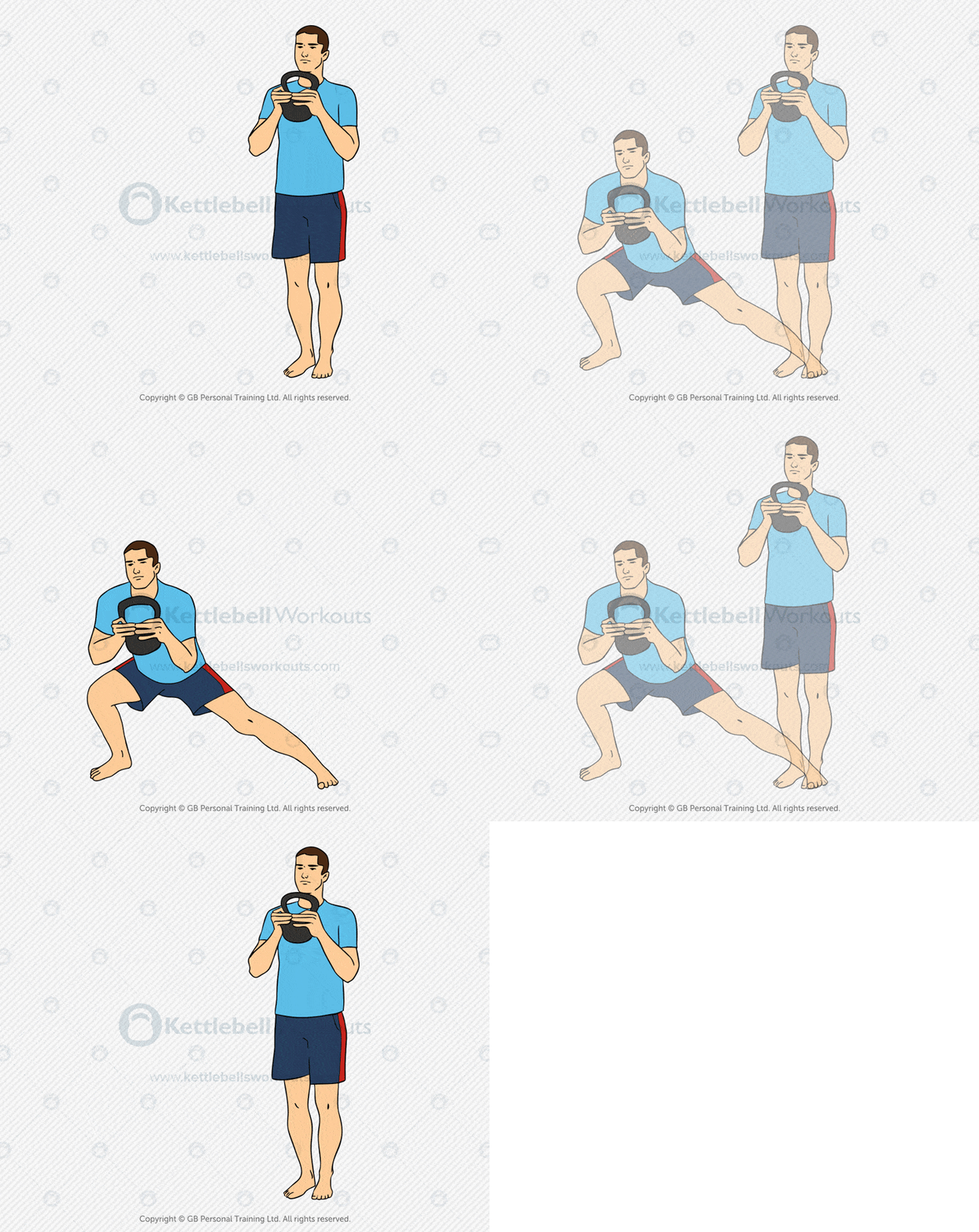
4. Kettlebell Side Lunge
Most strength programmes contain plenty of forward-and-back movement but very little lateral training. The side lunge develops the hips and inner thighs while teaching you to load one side of the body and return to the centre with control.
Coaching cue: Sit the hips back into the working leg while keeping the other leg long and the whole working foot connected to the floor.
Want More Kettlebell Exercise Ideas?
Download my free 52 Kettlebell Exercises guide with a complete exercise library you can use to build strength, mobility and conditioning.

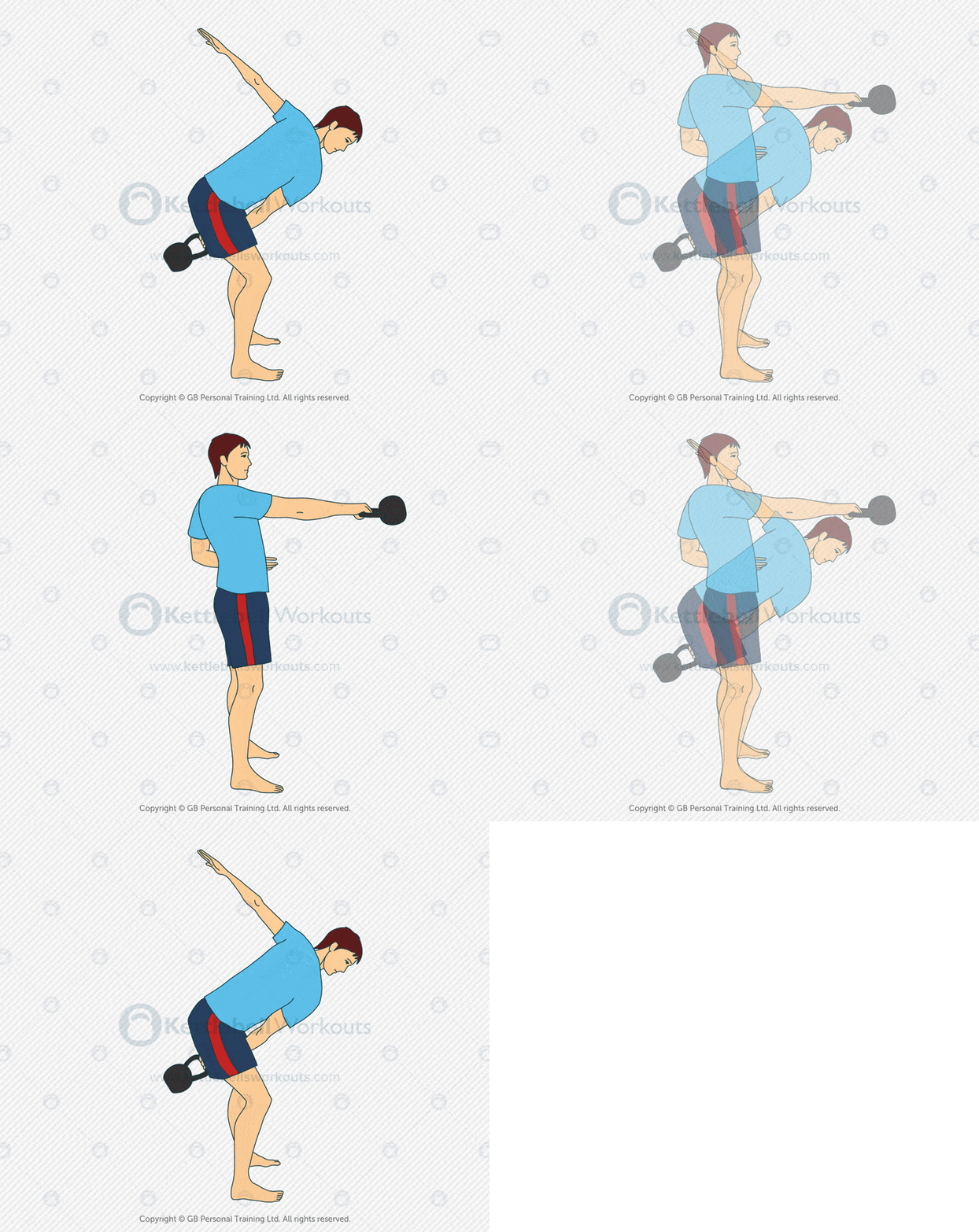
5. Single-Arm Kettlebell Swing
Once the two-handed swing is technically sound, the single-arm swing adds an asymmetrical load. The hips still create the movement, but the trunk has to resist being pulled around by the kettlebell. That makes it a useful progression for golfers without deliberately performing loaded golf-swing rotations.
Coaching cue: Keep both shoulders facing forwards and let the hips power the kettlebell. Do not twist after the bell.
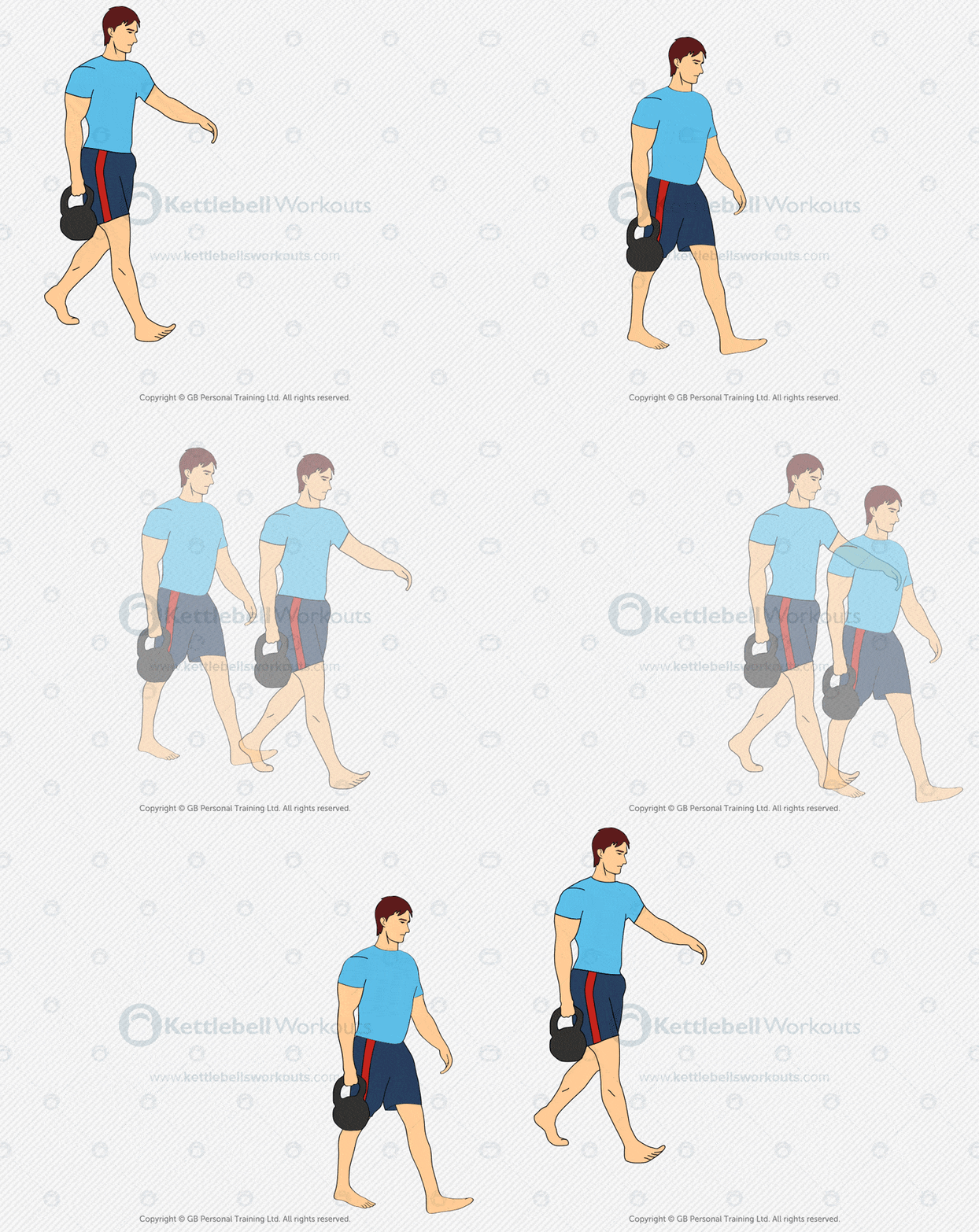
6. Kettlebell Suitcase Carry
The suitcase carry is simple but extremely useful. Holding a kettlebell on one side forces the trunk to resist leaning while you walk. For golfers, it develops grip and trunk control without adding repeated loaded rotation to the programme.
Coaching cue: Walk tall, keep the shoulders level and resist the urge to lean away from the kettlebell.
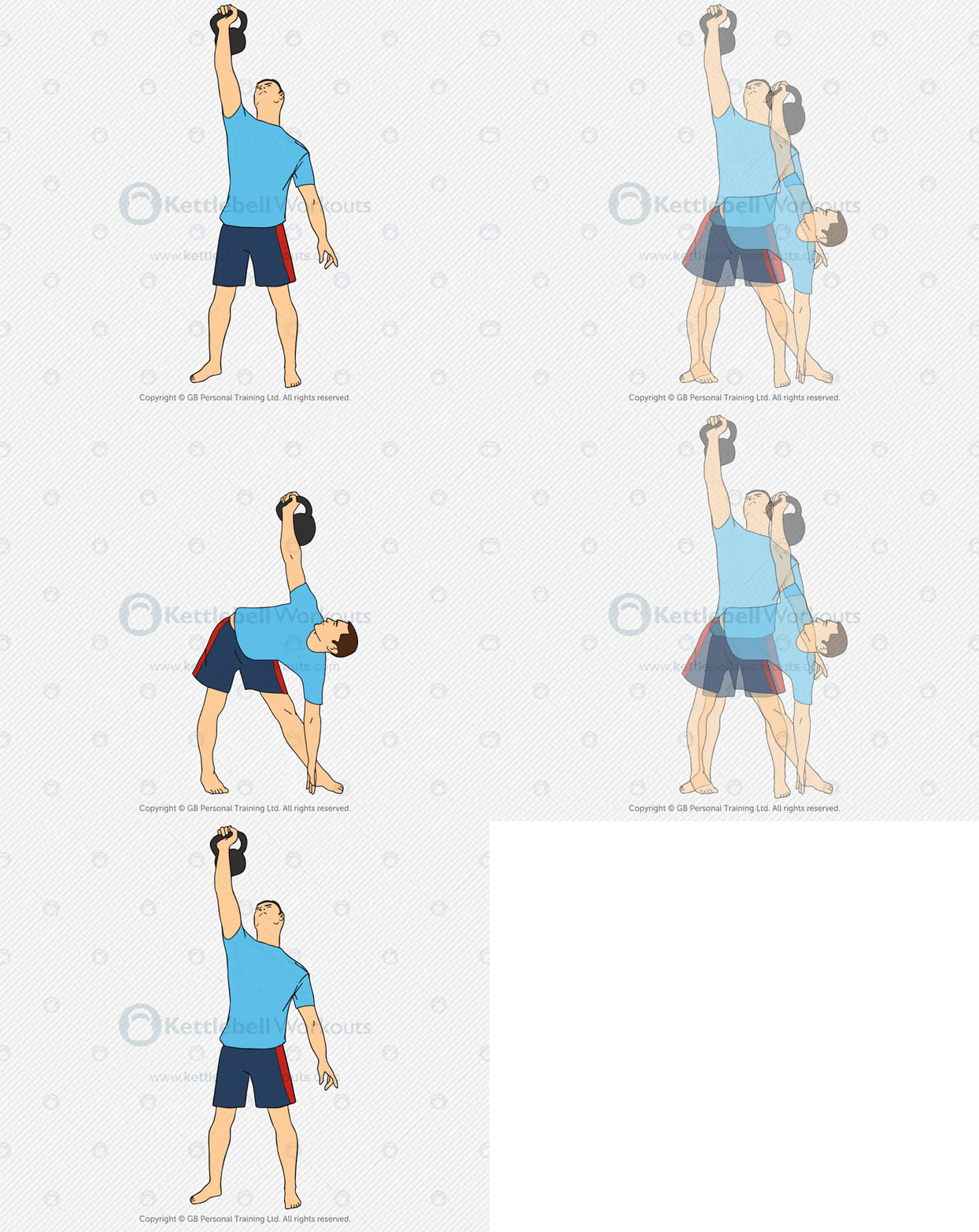
7. Kettlebell Windmill
I would use the windmill primarily as a mobility and control exercise rather than a heavy strength movement. It combines a hip hinge with controlled trunk movement and an overhead stability challenge, all of which can complement the mobility demands of golf.
Coaching cue: Move slowly, push the hips away from the kettlebell side and only descend as far as you can control comfortably.
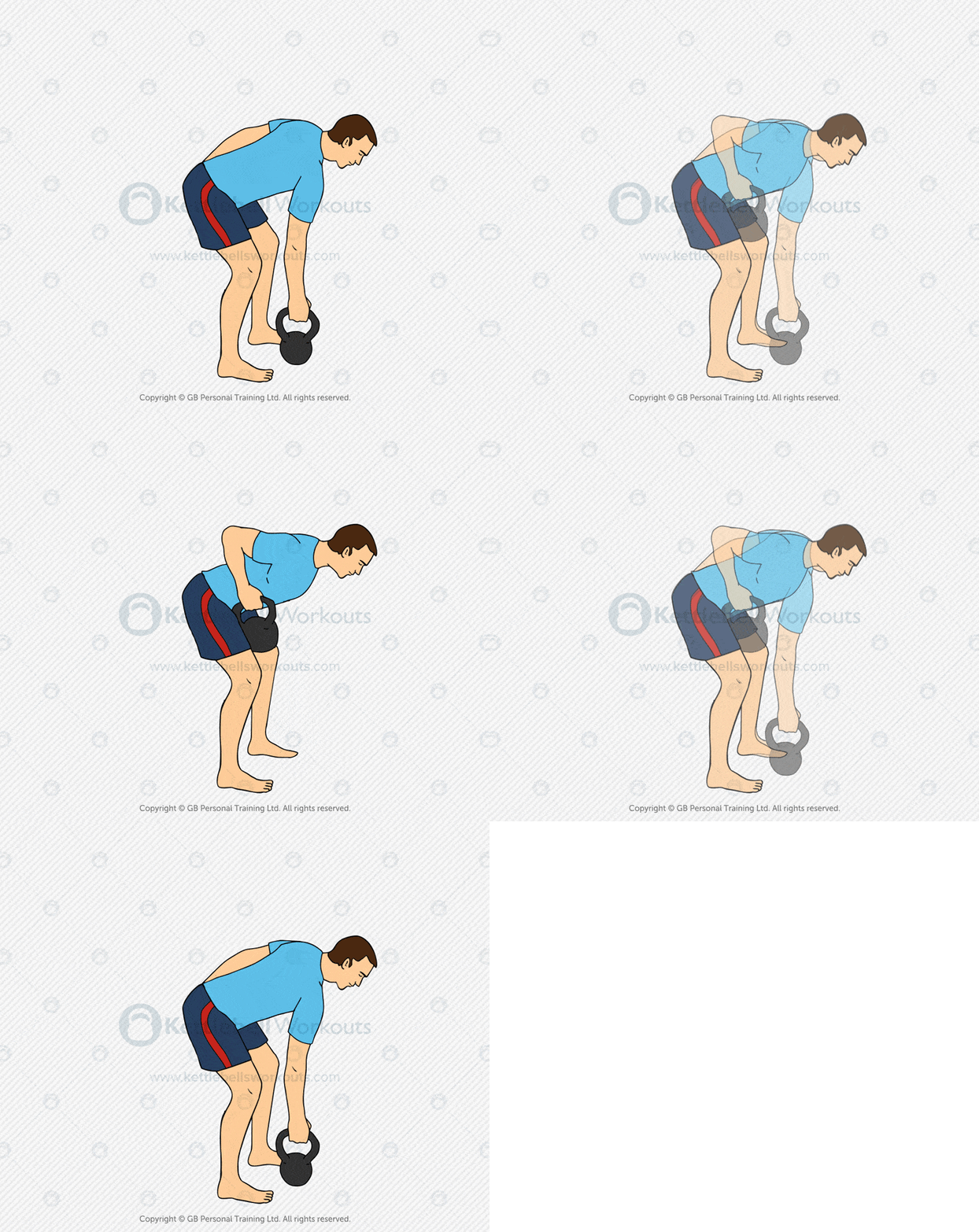
8. Kettlebell Single-Arm Row
The row is the least golf-specific movement in the list, but it earns its place because a balanced strength programme still needs pulling strength. It trains the upper back, grip and trunk while complementing the pushing and rotational demands that appear elsewhere in sport and everyday life.
Coaching cue: Hinge at the hips, keep the torso stable and pull the elbow back towards the hip rather than shrugging towards the shoulder.
A Simple Kettlebell Workout for Golfers
This workout covers power, unilateral leg strength, lateral strength, pulling and trunk control without trying to copy the golf swing with a weight.
| Exercise | Reps / Distance |
|---|---|
| Kettlebell Windmill | 5 each side |
| Single-Leg Deadlift | 6 each side |
| Racked Reverse Lunge | 6 each side |
| Side Lunge | 6 each side |
| Single-Arm Row | 8 each side |
| Two-Handed Swing | 10 to 15 reps |
| Suitcase Carry | 20 to 30 metres each side |
Perform 2 to 3 rounds, resting enough between exercises to keep the technique clean. If you are new to kettlebell swings, leave them out until you can hinge confidently and practise the swing separately.
Progression: once your two-handed swing is reliable, replace it with the single-arm swing for 8 to 12 reps per side.
How to Progress Your Golf Strength Training
Progress does not have to mean adding more exercises. Most golfers will get more from repeating a small number of movements and gradually improving their control, load or quality of movement.
Build the foundations first
Start with the deadlift pattern, reverse lunge, side lunge, row and suitcase carry. Add the windmill only within a comfortable range and learn the two-handed swing separately.
Add power later
Once your hinge is established, use the two-handed swing for power. The single-arm swing is a progression, not a starting exercise.
What About Goblet Squats and Turkish Get-Ups?
Both are excellent kettlebell exercises and were included in the original version of this article. I still like them, but they are no longer in my main 8 because the reverse lunge and side lunge give us more unilateral and lateral lower-body work, while the suitcase carry provides a simple trunk-stability challenge.
If you are a beginner, the goblet squat remains a very useful way to build basic leg strength. The Turkish get-up is also valuable for whole-body control, but it is more technical and not essential to a golf programme.
Frequently Asked Questions
Are kettlebells good for golfers?
Yes. Kettlebells can develop hip power, unilateral strength, grip, trunk stability and mobility. The key is choosing exercises that build those qualities rather than simply trying to imitate the golf swing with a kettlebell.
What is the best kettlebell exercise for golf?
If I had to choose one, I would start with the two-handed swing once the hip hinge is technically sound. It trains explosive hip extension and whole-body coordination. The single-leg deadlift is another strong choice because it develops unilateral hip strength and balance.
Should golfers train rotation with kettlebells?
Some rotational training can be useful, but you do not need to copy the golf swing under load. I prefer to build hip power, lateral strength and trunk control with exercises such as swings, lunges and carries, then practise the actual rotational skill with the golf club.
How often should golfers use kettlebells?
That depends on your golf schedule, current training and recovery. For many recreational golfers, 2 well-planned strength sessions per week can be enough to make progress without overwhelming practice and playing time.
Should I train before playing golf?
A hard strength or power session immediately before a round may leave you fatigued. If performance on the course matters that day, keep any pre-golf work short and familiar and save harder strength training for another time.
Final Thoughts
Golf-specific training does not need to look like golf. Build strong hips and legs, improve your ability to control one side at a time, train lateral movement, maintain useful mobility and develop power through a technically sound swing.
That gives you a stronger physical base. Your golf lessons, practice and time on the course can then take care of the swing itself.


Comments