
Last Updated on 10 August 2026 by Greg Brookes
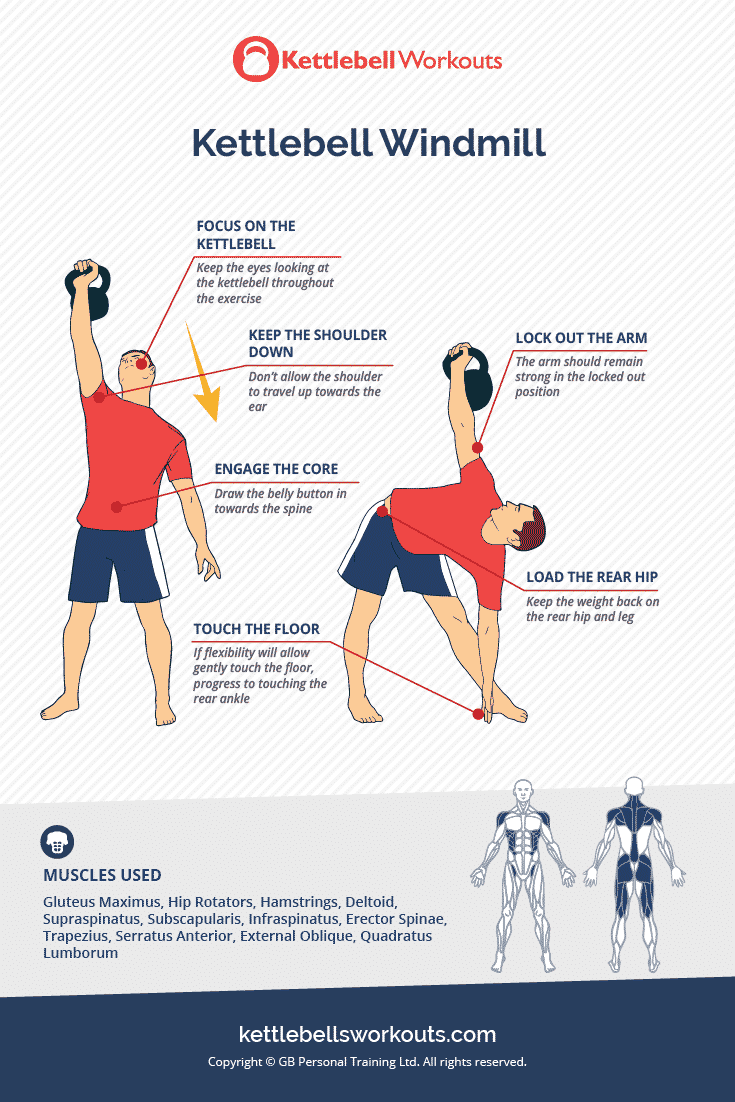
The kettlebell windmill combines a hip hinge, rotation through the upper body and a stable overhead shoulder position in one controlled movement.
It looks simple, but the Windmill asks a lot from the hips, hamstrings, trunk and shoulder girdle at the same time. For that reason I recommend learning the movement without load first and only adding a kettlebell once the positions feel comfortable.
This guide shows you how I teach the Windmill, the mistakes I see most often and the progressions I use from bodyweight through to the double-kettlebell variation.
What Is the Kettlebell Windmill?
The Windmill is a controlled standing exercise performed with one arm overhead while you shift the hips, hinge and rotate the torso underneath the raised arm.
The kettlebell itself should remain almost stationary overhead. The movement comes from the body moving underneath it.
- Main training qualities: hip mobility, hamstring range, trunk control and overhead shoulder stability
- Movement pattern: hip hinge with rotation and lateral movement
- Best starting point: bodyweight or a very light kettlebell
- Typical reps: 3 to 5 controlled repetitions per side
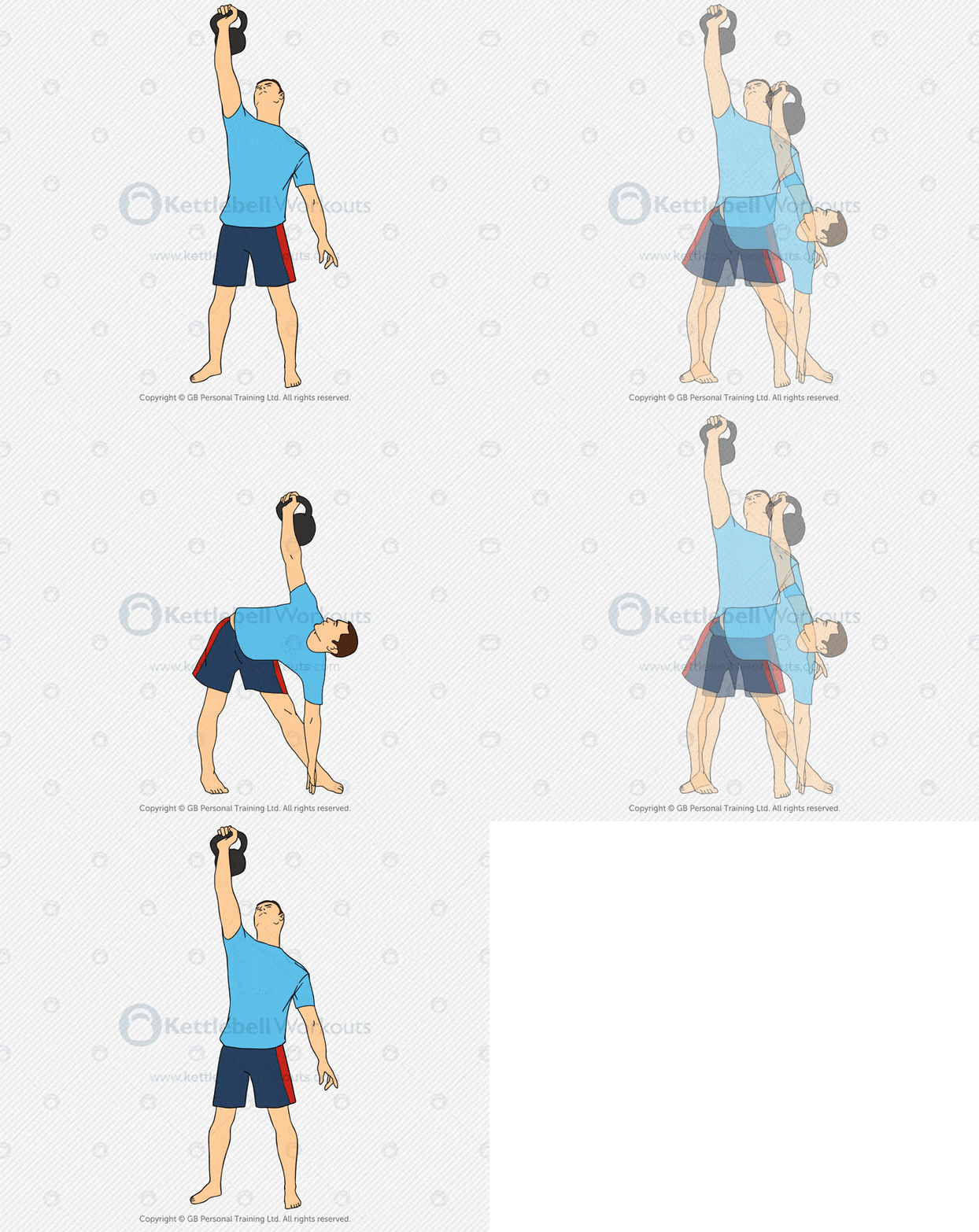
How to Do the Kettlebell Windmill
- Set your feet. Stand with a comfortable stance and turn both feet slightly away from the side holding the kettlebell.
- Lock the kettlebell overhead. Keep the wrist neutral and the arm long. The shoulder should feel organised rather than shrugged towards the ear.
- Shift the hips. Push the hip on the kettlebell side backwards and slightly out to the side.
- Hinge and rotate. Keep the kettlebell stacked overhead while the torso rotates and the free hand travels down the inside of the front leg.
- Stop at your available range. You do not need to touch the floor. Stop when you can no longer maintain the hip position, spinal control or overhead arm.
- Drive back to standing. Push through the hips and reverse the movement while keeping the kettlebell stacked above the shoulder.
The Rotation Through the Windmill
The Windmill is sometimes described as nothing more than a side bend, but that misses an important part of the movement.
As the hips move back and the torso lowers, there is rotation through the thoracic spine and movement through the shoulder girdle underneath the overhead arm. The shoulder blade has to stay controlled against the ribcage while the upper body changes position.
This is one reason the exercise can feel very different from a simple hamstring stretch. The hips, trunk and shoulder all have to cooperate.
Kettlebell Windmill Muscles Worked
The Windmill is not a bodybuilding isolation exercise, so I prefer to think in terms of the areas that create the movement and the areas that stabilise it.
Kettlebell Windmill Benefits
Used appropriately, the Windmill is useful because it combines qualities that are often trained separately:
- hip and hamstring mobility under control
- thoracic rotation
- overhead shoulder stability
- coordination between the upper and lower body
- trunk strength through rotation and lateral loading
- body awareness in an unfamiliar movement plane
It also fits naturally into loaded kettlebell mobility training, where the goal is to control useful range rather than simply stretch further.

Common Kettlebell Windmill Mistakes
- Trying to touch the floor. Depth is not the goal. Only move as far as you can maintain the hinge, rotation and overhead position.
- Turning it into a squat. Excessive knee bend usually removes the hip-hinge quality that makes the Windmill useful.
- Collapsing into a side bend. Think about moving the hips and rotating the torso rather than simply dropping the shoulder towards the floor.
- Letting the kettlebell drift. The bell should stay stacked over the shoulder rather than travelling forwards, backwards or around the body.
- Shrugging the overhead shoulder. Keep the arm long and the shoulder controlled rather than lifting it towards the ear.
- Using too much weight. A heavy kettlebell can hide poor mobility and make you shorten or distort the movement.
- Rushing the repetition. The Windmill rewards slow, deliberate movement. There is no advantage in performing it quickly.
Warm Up Before the Windmill
If you are stiff through the hips, upper back or shoulders, prepare those areas before loading the full movement.
A simple bodyweight Windmill is usually the best first drill because it lets you practise the foot position, hip shift and rotation without worrying about a kettlebell overhead.

For a full pre-training sequence, use my kettlebell warm-up and preparation guide.
5 Kettlebell Windmill Progressions
Do not jump straight to the overhead Windmill because that is the version you have seen most often. Build the pattern first, then add load.
1. Bodyweight Windmill
Learn the stance, hip shift, hinge and rotation with no load. Work only within a range you can control.
2. Overhead Kettlebell Hold
This progression lets you check that the wrist, elbow and shoulder can maintain a comfortable stacked position before you add movement underneath the bell.

3. Bottom-Hand Windmill
Hold the kettlebell in the lower hand while the opposite arm reaches overhead. This introduces load without asking you to stabilise the kettlebell above the shoulder.
4. Top-Hand Windmill
This is the standard kettlebell Windmill. Keep the bell stacked overhead while the body hinges and rotates underneath it.

5. Double Kettlebell Windmill
One kettlebell is held overhead and a second kettlebell is carried in the lower hand. This is an advanced loading option and should only be used once the standard Windmill feels solid.
How to Program the Kettlebell Windmill
The Windmill works best when quality stays high. It is not an exercise I would chase for high repetitions under fatigue.
Use a load that lets you keep the overhead arm stable and move without forcing extra depth.
Windmill vs Turkish Get-Up
Both exercises combine shoulder stability, trunk control and hip mobility, but they do it differently.
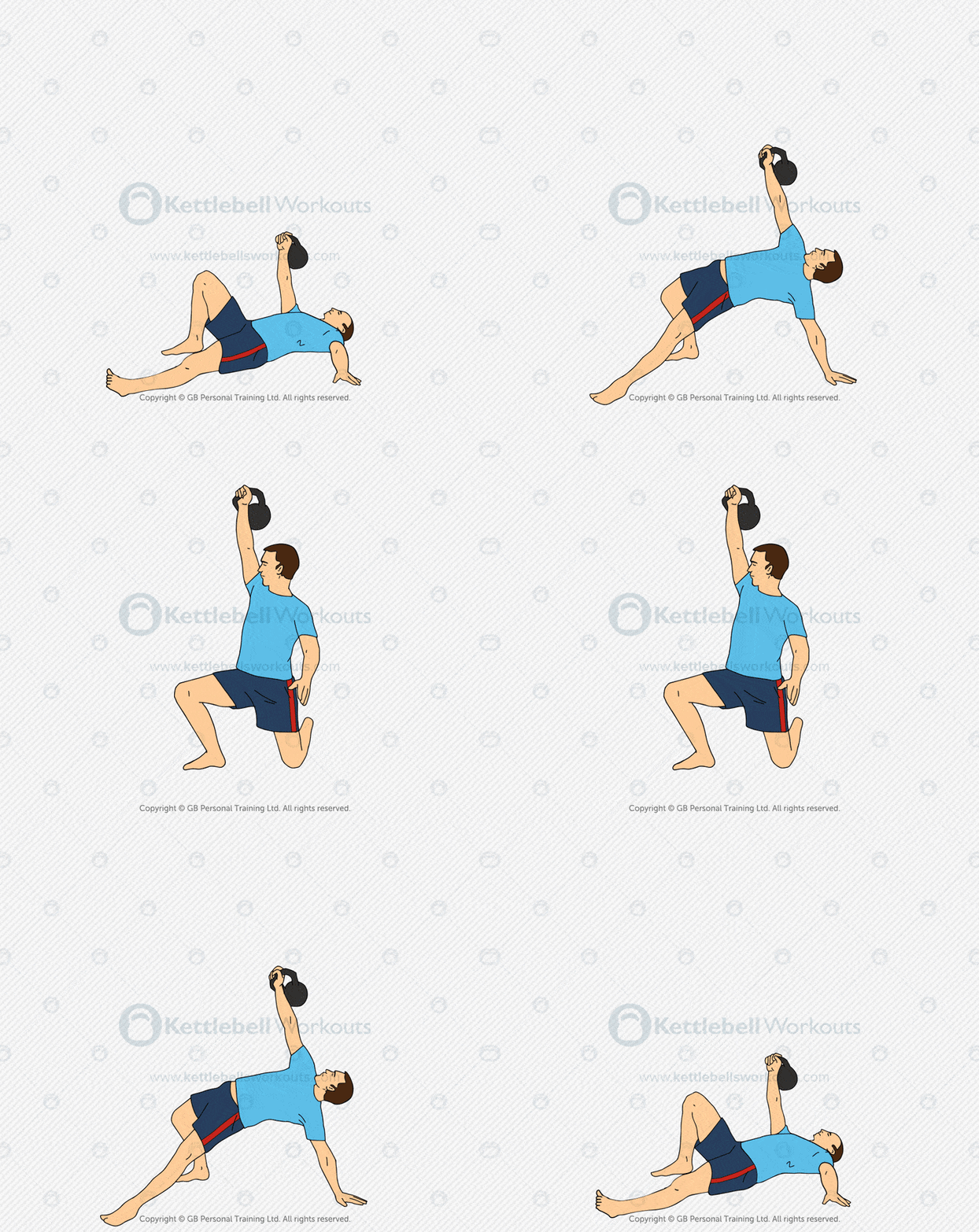
The Windmill keeps you standing and focuses more heavily on the hip hinge and rotation. The Turkish Get-Up moves you from the floor to standing through a series of transitions.
I often use both because they challenge overhead control from very different positions.
Frequently Asked Questions
What does the kettlebell Windmill work?
The Windmill challenges the obliques and trunk, hamstrings, glutes, hips and the muscles that stabilise the shoulder and upper back while the kettlebell is held overhead.
How do you do a kettlebell Windmill?
Hold the kettlebell overhead, turn the feet slightly away from the loaded side, shift the hip backwards, hinge and rotate the torso underneath the bell, then drive through the hips to return to standing.
Is the kettlebell Windmill a mobility or strength exercise?
It can develop both. The movement asks you to control hip, hamstring, thoracic and shoulder range while also stabilising a load overhead.
Do I need to touch the floor during a Windmill?
No. Move only as far as you can maintain the hip hinge, rotation and overhead position. Touching the floor is not the objective.
Can I perform a Windmill without a kettlebell?
Yes. In fact, a bodyweight Windmill is the first progression I recommend when learning the movement.
Can I use a dumbbell for a Windmill?
Yes. A dumbbell can be used if you do not have a kettlebell, although the loading and feel in the hand will be slightly different.

Would having a bicep issue impair your achievement of managing the windmill properly?
Possibly Karen, it all depends on your mobility and stability in the position. Practice without a kettlebell first and see how you get on.
I tried it earlier as part of S&S warmup(after halos)…
and now my back feels SORE.
Must be because of wrong mechanics and/or weak muscles on the area.
Yes you should not feel it in your back, practice the exercise without a kettlebell and also with the kettlebell in the bottom hand first. Only 5 reps each side. Best of luck.
Excellent, thanks.