
Last Updated on 13 August 2026 by Greg Brookes

If you are overweight or living with obesity, you do not need punishing workouts to start making progress. The best starting programme is one you can perform safely, repeat consistently and gradually make more demanding.
These 3 kettlebell and bodyweight workouts for obese beginners progress from simple, stable exercises towards more dynamic movements such as the Clean and Swing.
Start with Workout 1, stay with it until the exercises feel controlled, then introduce the next workout gradually rather than replacing everything at once.
How to Start Exercising When You Are Overweight
Choose exercises that feel stable, use manageable ranges of motion and allow enough rest that you can maintain good technique. Walking, cycling and other low-impact activity can also sit alongside these strength sessions.
If you have significant joint pain, breathlessness that feels unusual, chest symptoms or a medical condition that affects exercise tolerance, individual guidance is more useful than simply forcing yourself through a generic workout.
1. Workout for Obese Beginners
The first workout uses only 2 exercises so you can learn the movements without the session becoming complicated.
Kettlebell and Bodyweight Workout 1
Kettlebell Single Arm Deadlift
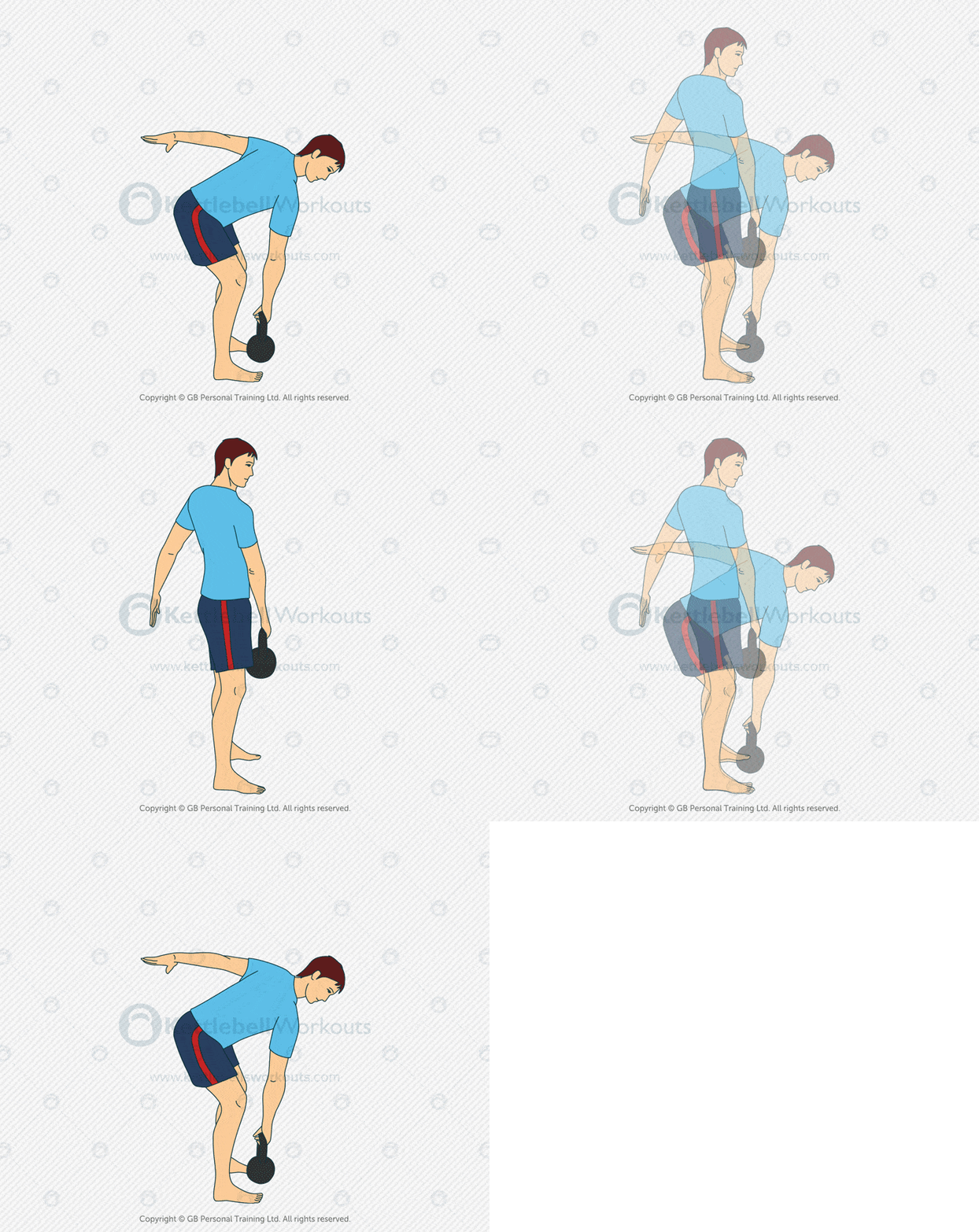
The Single Arm Deadlift is a good starting kettlebell exercise because the bell begins on the floor and the movement is easy to scale with load and range.
Push the hips backwards, keep the spine long and stand by driving through the feet and hips. Use a raised kettlebell or blocks if reaching the floor comfortably is difficult.
Bodyweight Wall Slides
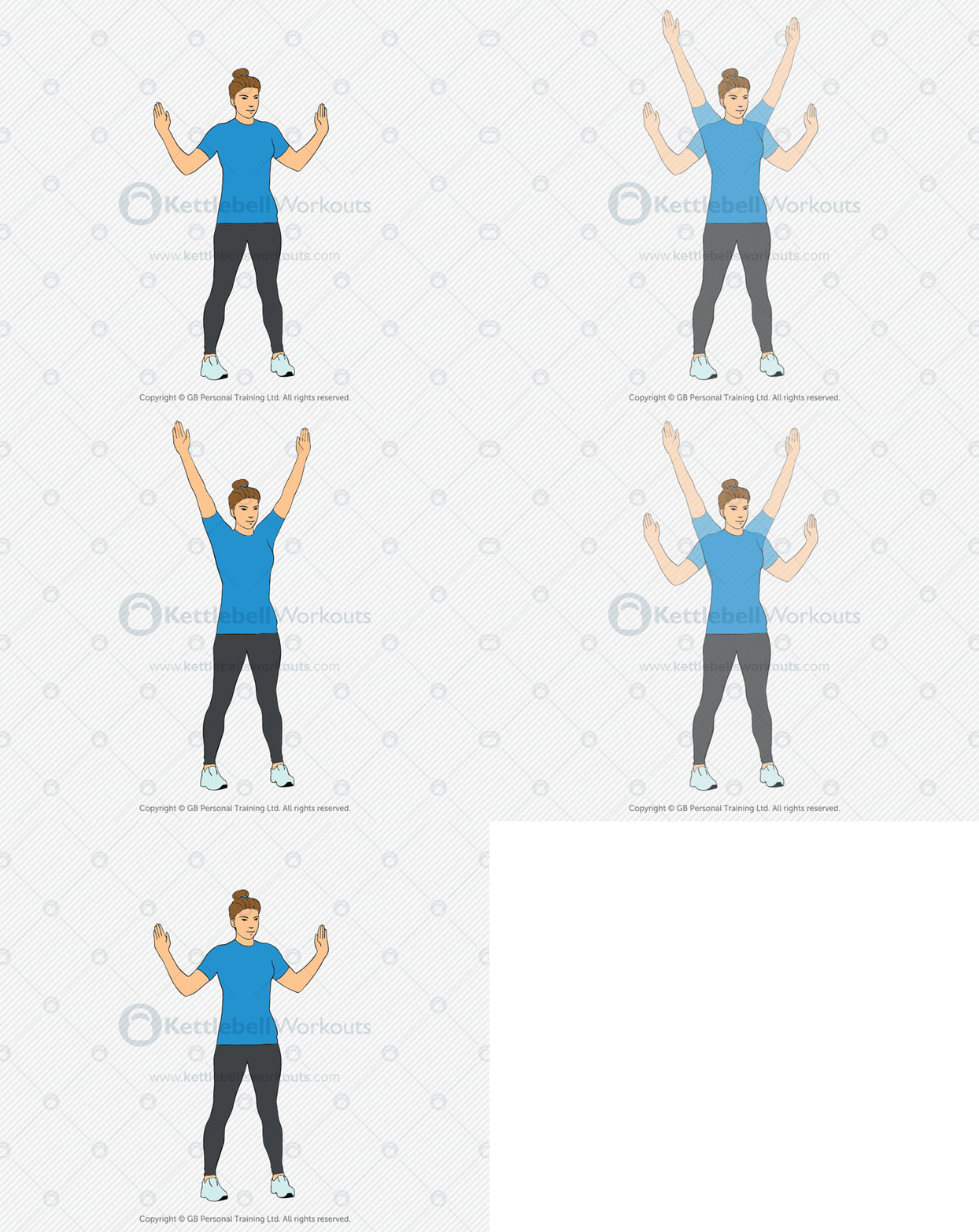
Wall Slides are a useful bodyweight complement to the Deadlift. They train controlled shoulder movement and encourage you to move the arms without rushing.
Keep the back comfortably against the wall and slide only as high as you can while maintaining control. There is no need to force the wrists or elbows flat against the wall.
2. Workout for Obese People Making Progress
Workout 2 adds a more technical kettlebell movement plus a simple standing drill and bodyweight core exercise.
Kettlebell and Bodyweight Workout 2
Kettlebell Clean
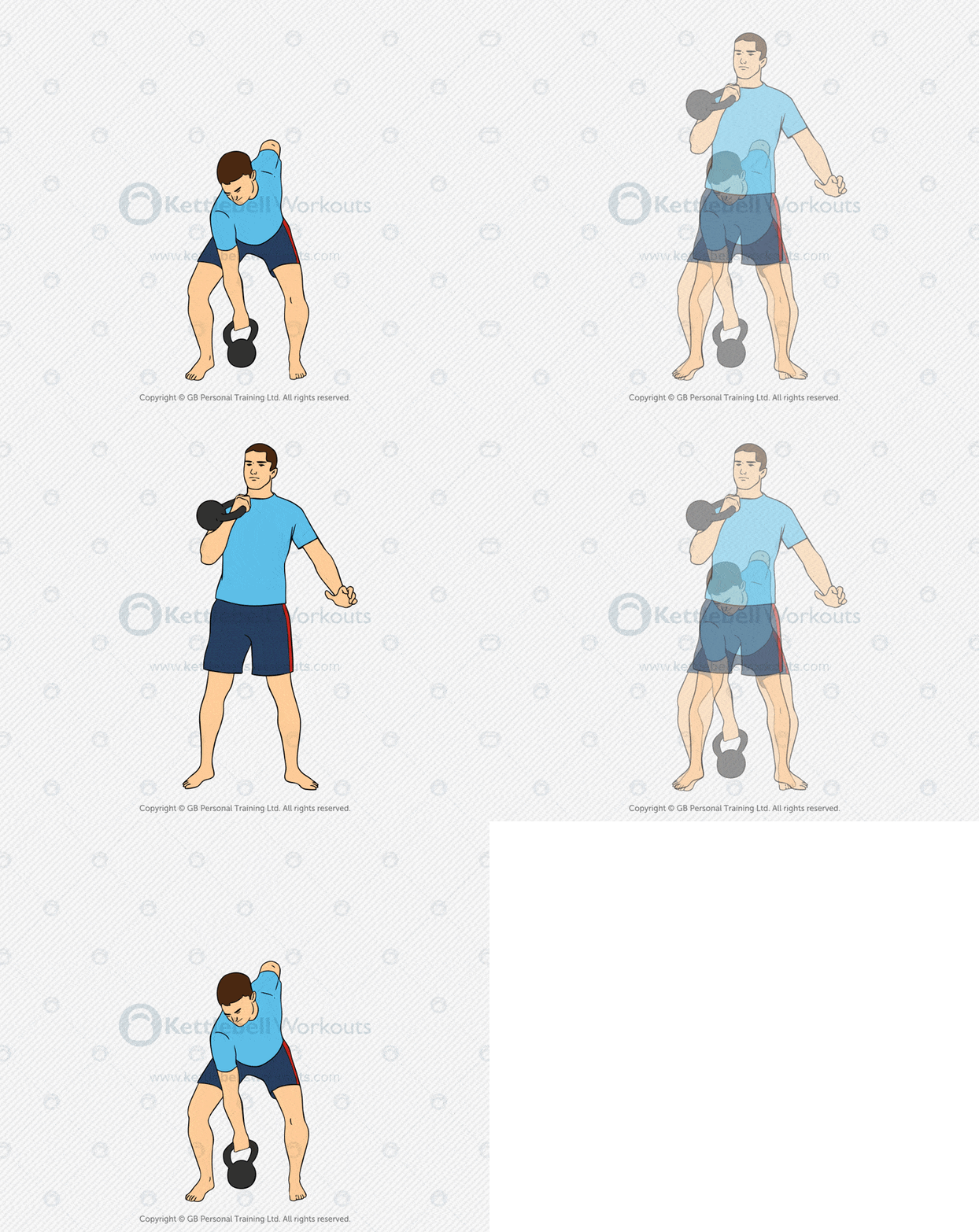
The Clean uses the hips to guide the kettlebell into the rack position. It is more technical than the Deadlift, so learn it slowly before trying to turn it into conditioning work.
Keep the kettlebell close to the body and let the hand move around the bell rather than allowing the bell to swing out and crash onto the forearm.
Kettlebell Slingshot
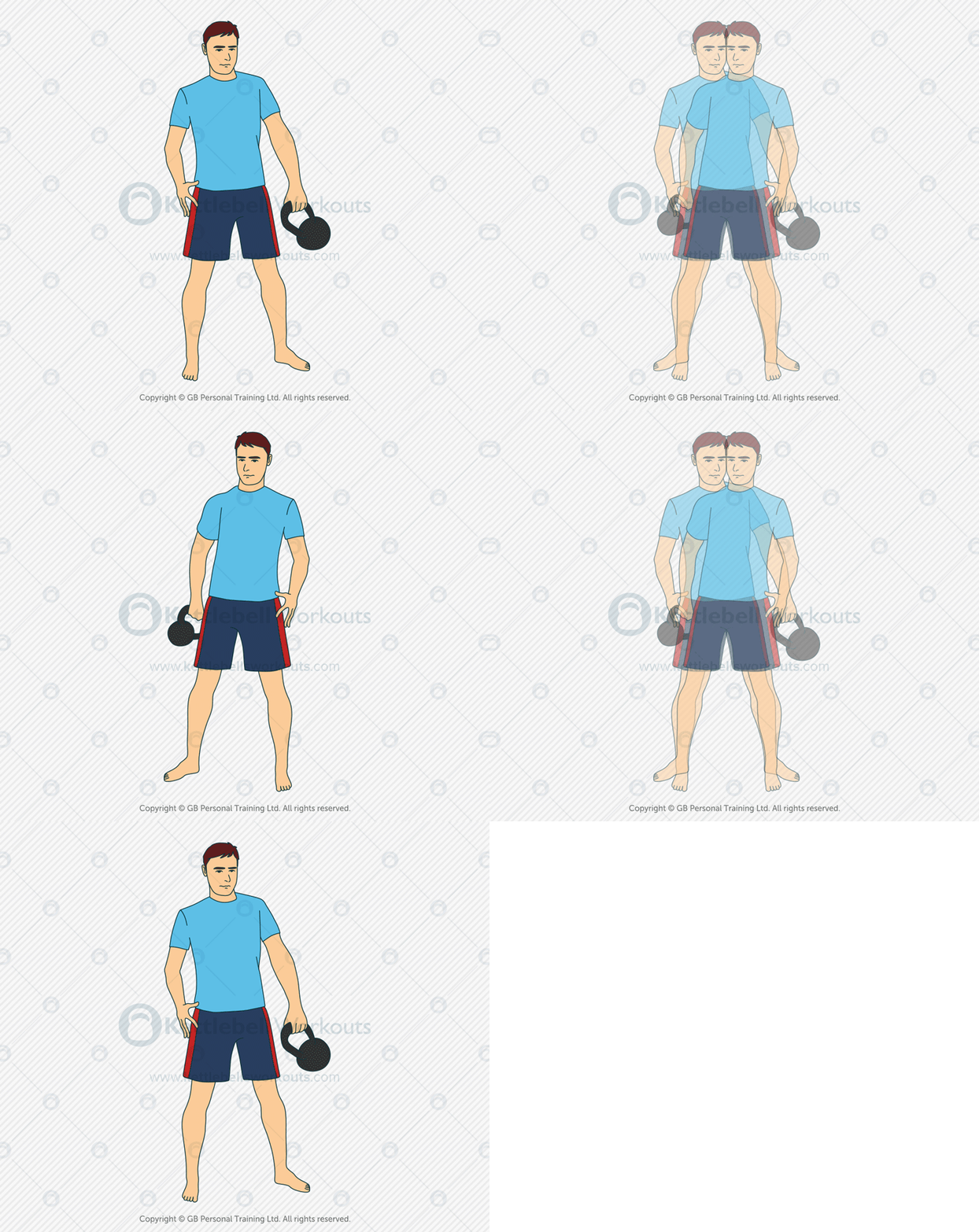
Pass the kettlebell around the body in a smooth circle while standing tall. The exercise is simple to scale and works well between more demanding movements.
Keep enough space around you, use a light bell and practise both directions.
Bodyweight Bird Dog
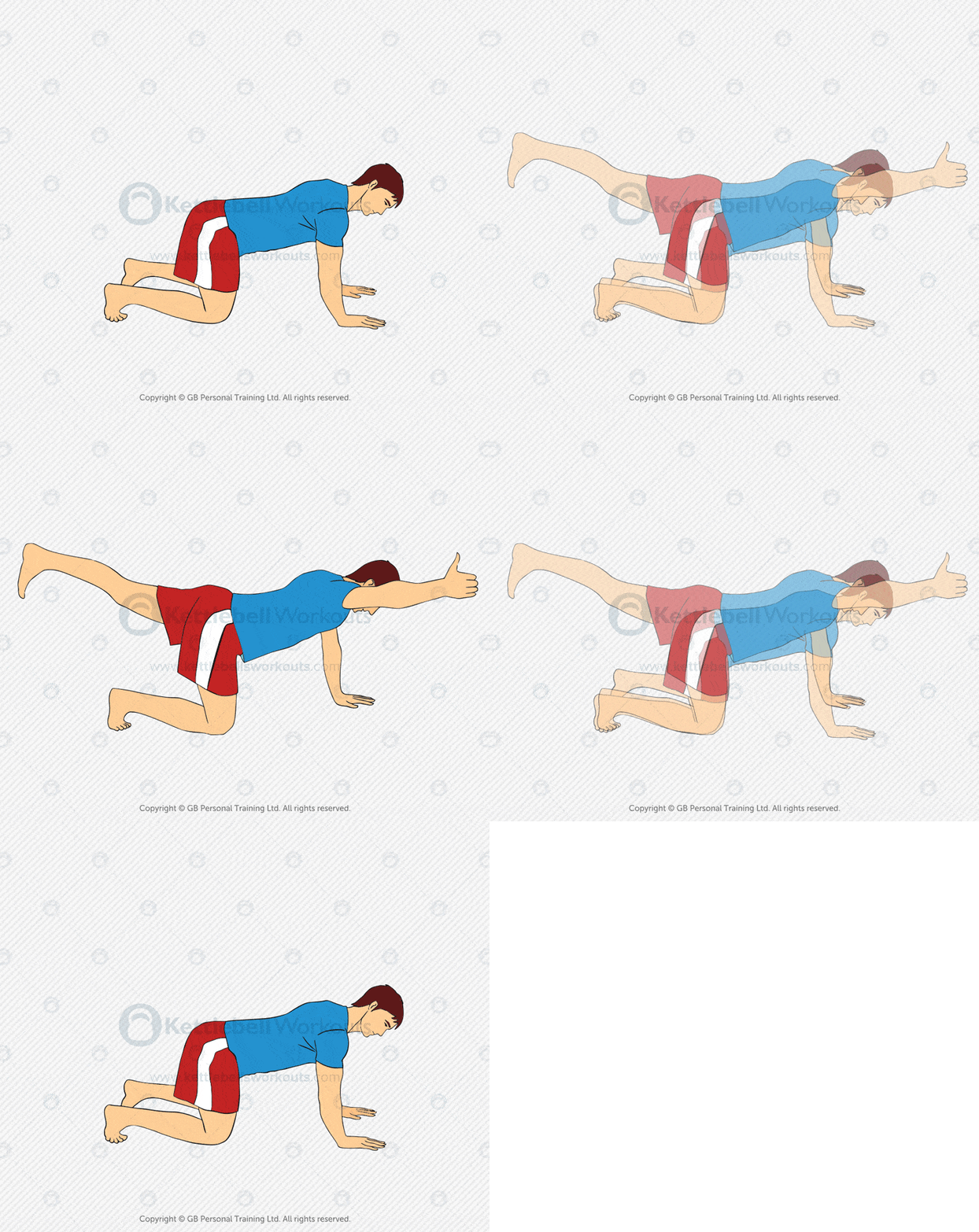
From all 4s, extend the opposite arm and leg while keeping the trunk as steady as possible. Think about making the body long rather than lifting the arm or leg as high as possible.
If kneeling is uncomfortable, add padding under the knees or substitute another supported trunk exercise.

3. Workout for Obese People: More Advanced
The final workout introduces the Swing and a squat progression. Both increase the overall training demand, so only use them when the earlier movement patterns already feel comfortable.
Kettlebell and Bodyweight Workout 3
Kettlebell Swing
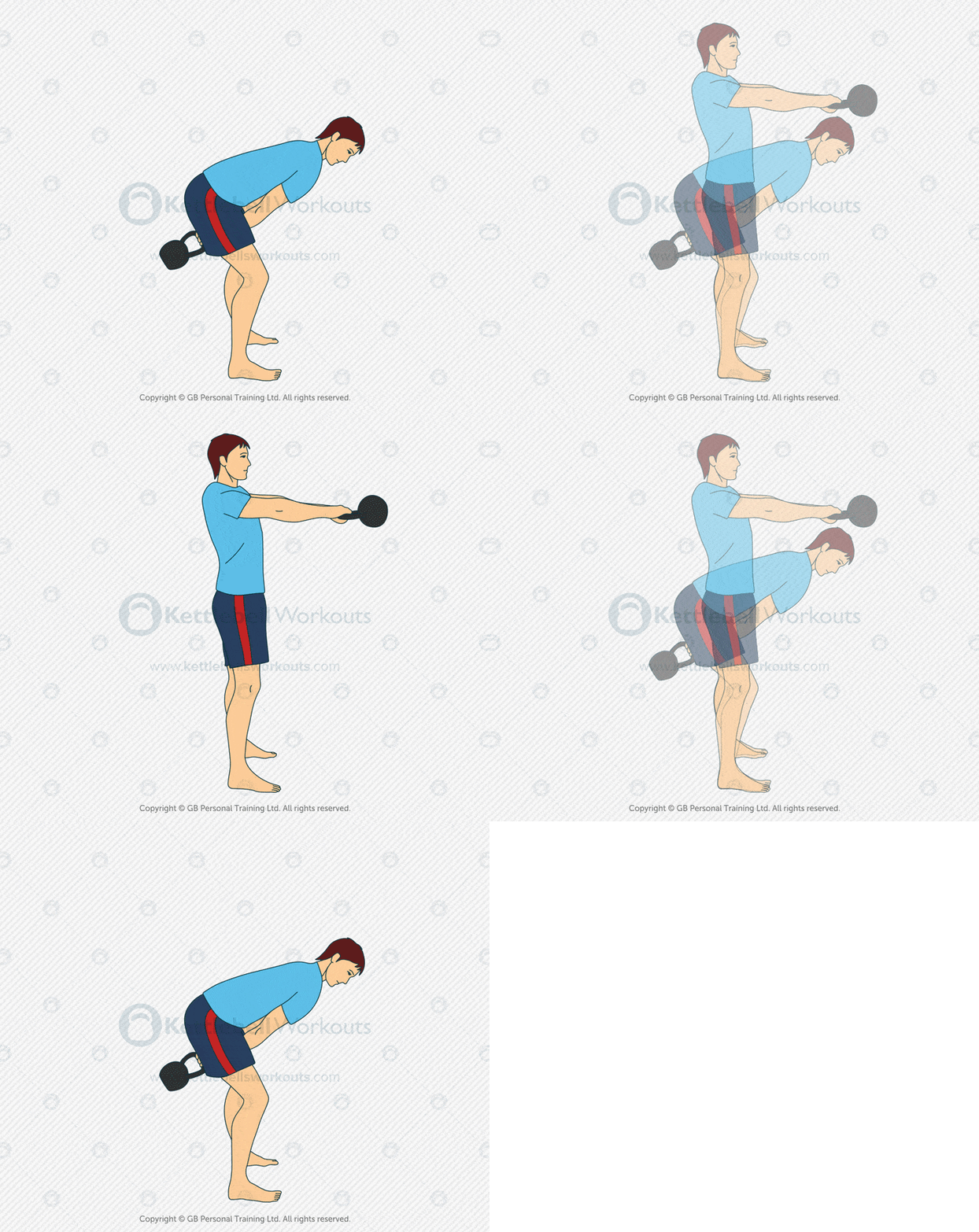
The Two-Handed Swing is a progression from the Deadlift. It uses the same hip-hinge pattern but adds speed, timing and a much greater conditioning demand.
Do not rush into Swings simply because they burn more calories. Build the hinge first, then keep Swing sets short enough that the movement stays crisp.
Kettlebell Halo

Hold the kettlebell close to the head and take it around the neckline in a smooth circle. Keep the movement controlled rather than trying to make the circle as large as possible.
Use a light kettlebell and alternate directions so the movement stays balanced.
Bodyweight Squat

A full bodyweight squat may be too demanding at first. Use a chair, box, pole, doorframe or resistance band to reduce the challenge and control the depth.
The goal is not to reach a particular depth immediately. Start with the range you can control and gradually increase it as strength and confidence improve.
How to Use These Workouts
Start with 2 to 3 strength sessions per week with at least 1 easier day between them. You do not need to move to a new workout simply because a calendar says so.
Progress by adding a small number of repetitions, increasing the kettlebell weight when appropriate, improving the range of motion or completing another controlled round. Change 1 variable at a time.
What Kettlebell Weight Should an Overweight Beginner Use?
There is no useful universal starting weight based on sex or body size. The correct kettlebell depends on the exercise, your training history and how well you can control the movement.
Use a weight that allows you to complete the target repetitions with good technique and still feel that you could perform another few clean reps. A Deadlift will normally tolerate much more load than a Halo or Clean.
Building Fitness One Workout at a Time
The most important part of these kettlebell workouts for obese beginners is progression without intimidation. You do not need to exhaust yourself or perform complicated exercises to make the programme worthwhile.
Build the habit first, then improve the exercises, load and total work gradually. Combine the strength sessions with regular walking or other comfortable activity and nutrition that supports your goals.
Consistency over months matters far more than trying to create a dramatic workout on day 1.
Related Kettlebell Guides
Frequently Asked Questions
What is a good kettlebell workout for obese beginners?
A simple starting workout is 8 to 12 Single Arm Deadlifts per side followed by 8 to 12 Wall Slides, resting 60 to 90 seconds before repeating for 2 to 3 rounds.
Are kettlebells good for overweight beginners?
Yes. Kettlebells can be scaled from simple Deadlifts and Carries through to more dynamic exercises. Start with stable movements and progress only when your technique and exercise tolerance improve.
What exercises are good for people with obesity?
Strength exercises that are easy to scale, such as Deadlifts, supported Squats, Step Ups and Rows, can work well alongside walking, cycling or other comfortable aerobic activity.
Can kettlebell workouts help with weight loss?
They can support weight loss by improving strength, fitness and total activity, but changes in bodyweight are also strongly influenced by nutrition and overall energy balance.
How often should an obese beginner exercise?
For strength training, 2 to 3 sessions per week is a sensible starting point for many beginners. Additional walking or low-impact activity can be added according to comfort and recovery.
Do I need to lose weight before starting kettlebell training?
No. You can begin with exercises and loads that match your current ability. Improving strength and fitness can start before any major change in bodyweight occurs.


Workout 1
Kettlebell Single Arm Deadlift x 8 – 12 reps each side
Bodyweight Wall Slides x 8 – 12 reps
Rest 90 seconds and repeat for 3 circuits
What is the x8 part? 8 sets of 12, 3 circuits seems excessive? Surely I’m reading that wrong?
That’s 8 to 12 repetitions Andrea