
Last Updated on 17 August 2026 by Greg Brookes

Kettlebell cardio works because you can combine large full-body movements with timed intervals, circuits and complexes that keep a large amount of muscle working.
You do not need to turn every session into an all-out HIIT workout. Good kettlebell conditioning starts with exercise quality, then adds time, repetitions, density or complexity.
The 25 workouts below progress from simple non-Swing sessions through Swing circuits and flowing complexes to advanced skill-based workouts. Choose the section that matches the movements you can already perform well.
What Makes a Kettlebell Workout “Cardio”?
There is no special kettlebell exercise that suddenly becomes cardio. The cardiovascular demand comes from how you organise the work.
Large compound movements, repeated with appropriate loads and limited recovery, can raise the heart rate quickly. The important part is that technique remains good enough that you are still training the intended movement rather than merely surviving the interval.
For most people, the best starting point is a small number of exercises they already know well, then gradually increasing the amount of work.
How to Choose the Right Cardio Workout
| Section | Workouts | Main Focus | Typical Level |
|---|---|---|---|
| No-Swing Cardio | 1-7 | Hinge, squat, lateral movement, Clean and rack | Beginner to Intermediate |
| Swing Cardio | 8-11 | Ballistic conditioning and Swing variations | Intermediate to Advanced |
| Flowing Circuits | 12-20 | Complexes and multi-pattern conditioning | Intermediate to Advanced |
| Advanced Cardio | 21-25 | Mobility, balance, coordination and skill | Advanced |
7 Beginner Kettlebell Cardio Workouts Without Swings
These first workouts build conditioning with simpler kettlebell movements before you depend on the timing and explosiveness of the Swing.
Single-Arm Deadlift Intervals
Beginner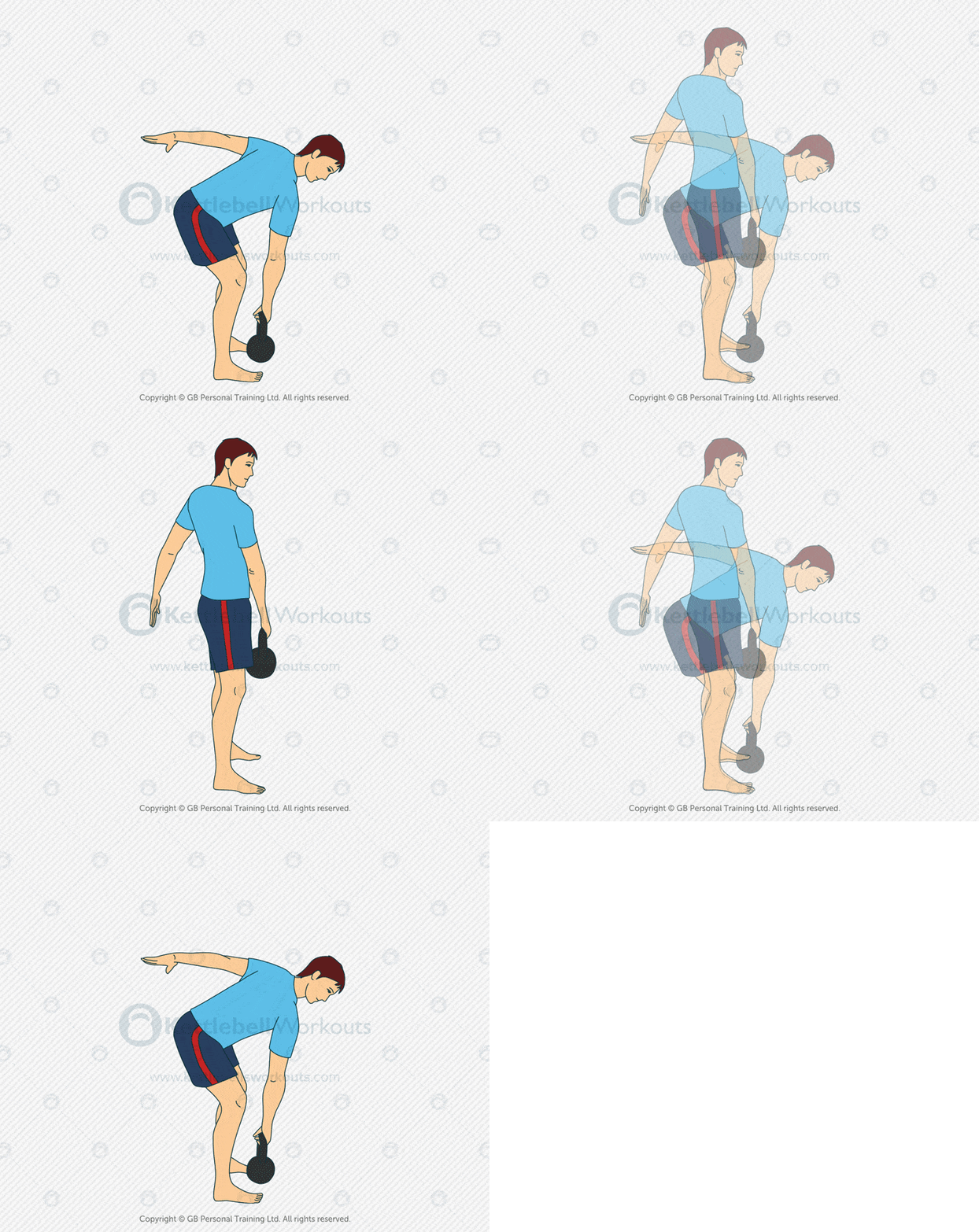 Single-Arm Deadlift
- Single-Arm Deadlift, left: 30 seconds
- Single-Arm Deadlift, right: 30 seconds
- Repeat 2-4 rounds
A simple way to raise the heart rate while practising the hip hinge. Keep the movement controlled and use a load that makes the hips and legs work.
Goblet Squat + Deadlift
Beginner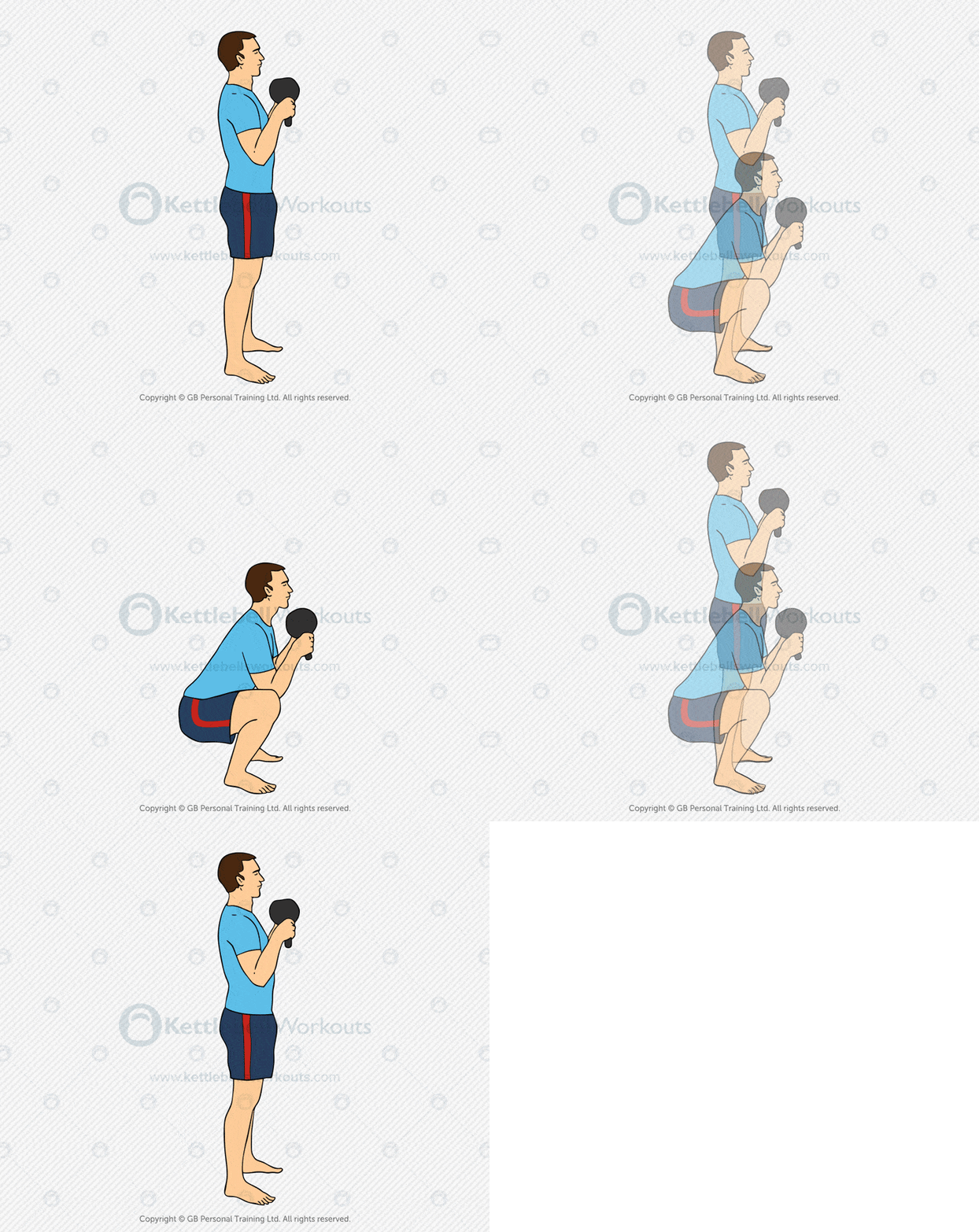 Goblet SquatSingle-Arm Deadlift
- Goblet Squat: 30 seconds
- Single-Arm Deadlift, left: 30 seconds
- Single-Arm Deadlift, right: 30 seconds
- Repeat 2-4 rounds
This alternates a knee-dominant squat with a hip-dominant deadlift, giving you a simple full-body circuit without needing ballistic technique.
Bob & Weave + Deadlift
Beginner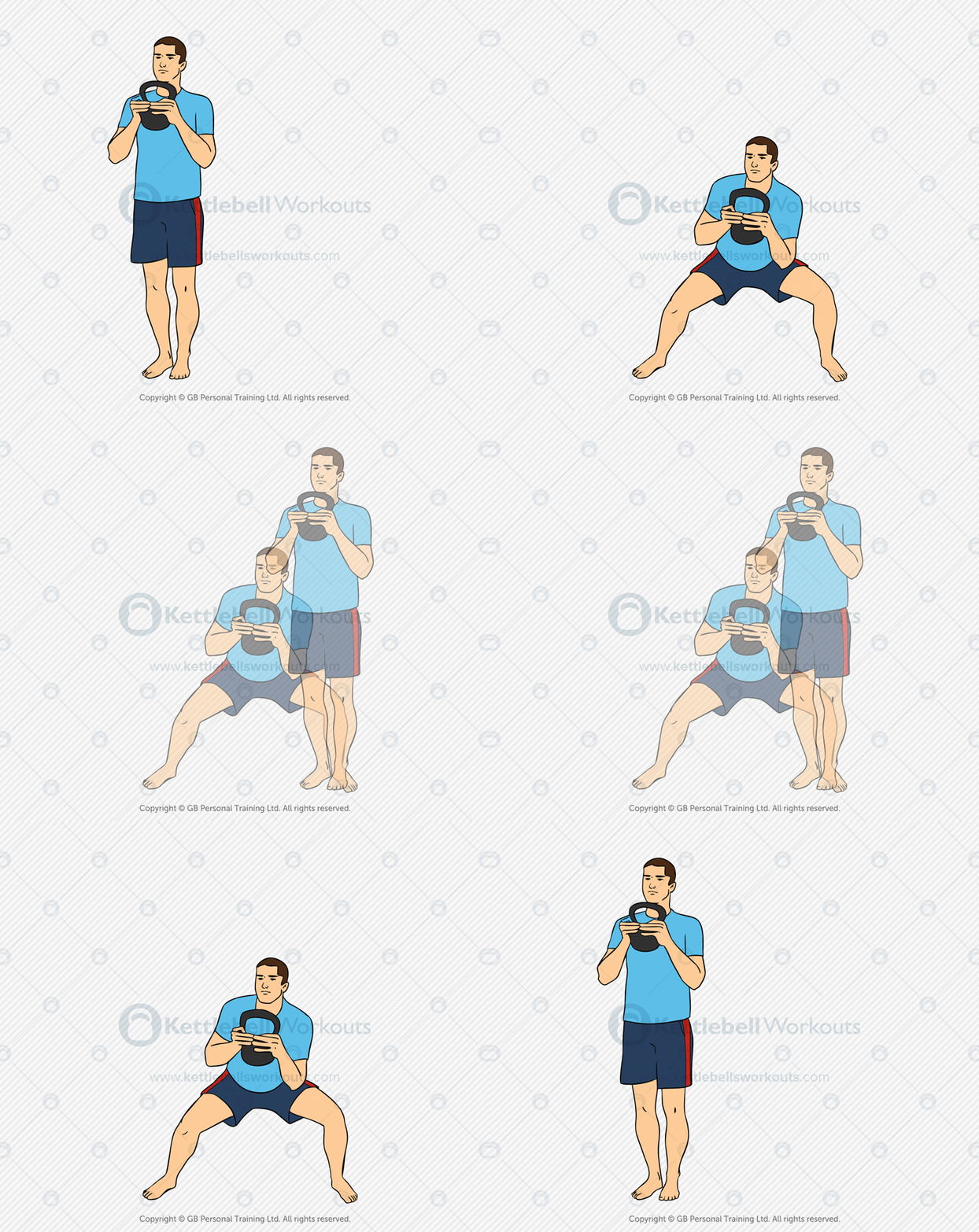 Bob and WeaveSingle-Arm Deadlift
- Bob & Weave: 30 seconds
- Single-Arm Deadlift, left: 30 seconds
- Single-Arm Deadlift, right: 30 seconds
- Repeat 2-4 rounds
The Bob & Weave adds lateral movement while the deadlift keeps the strong hip-hinge pattern in the circuit.
Goblet Squat + Sit and Press
Beginner / IntermediateGoblet Squat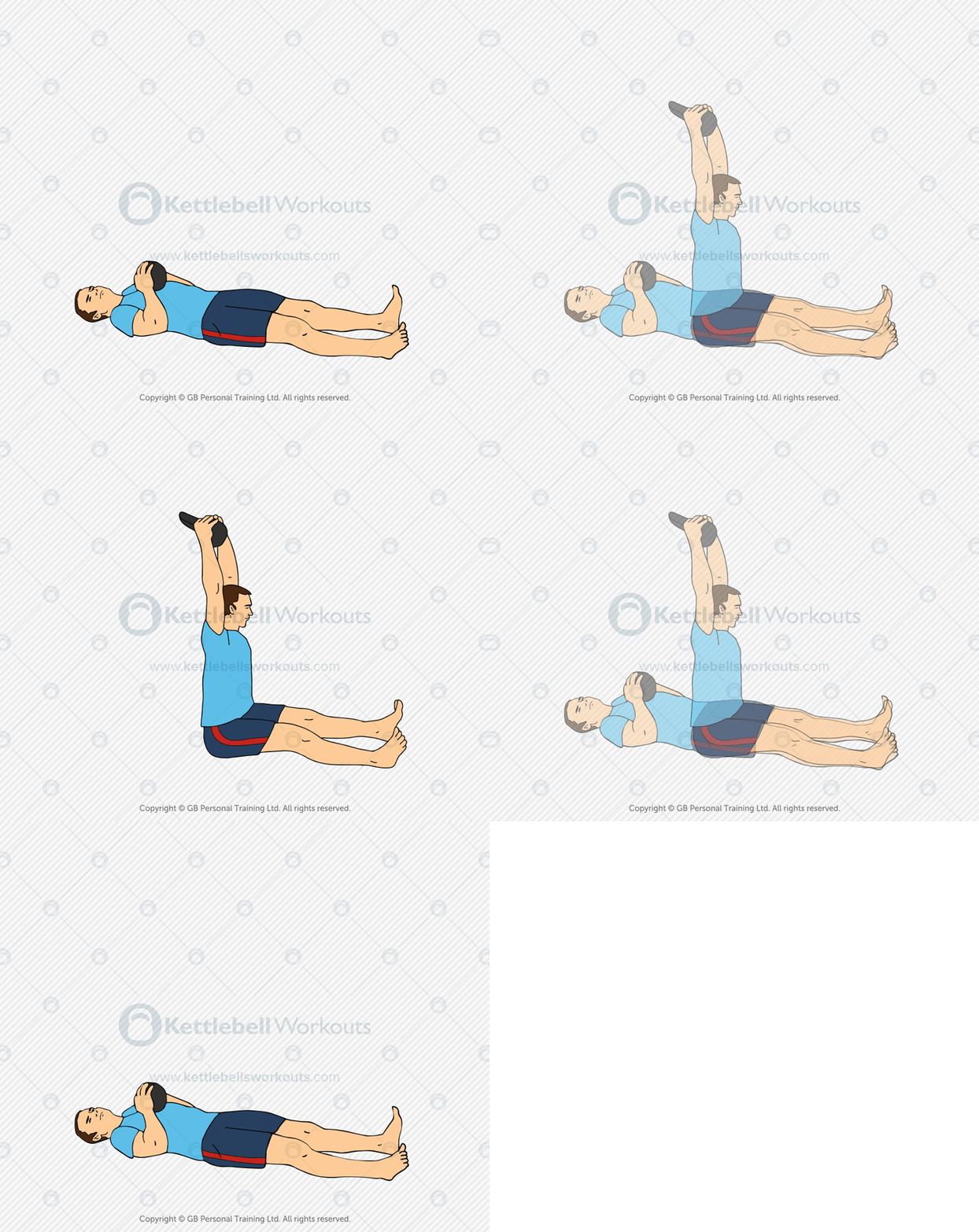 Sit and Press
- Goblet Squat: 12 reps
- Sit and Press: 6 reps
- Repeat 2-4 rounds
Moving from standing squats to a floor-based exercise changes the whole-body demand and gives the session a very different feel from ordinary steady cardio.
Clean Intervals
Intermediate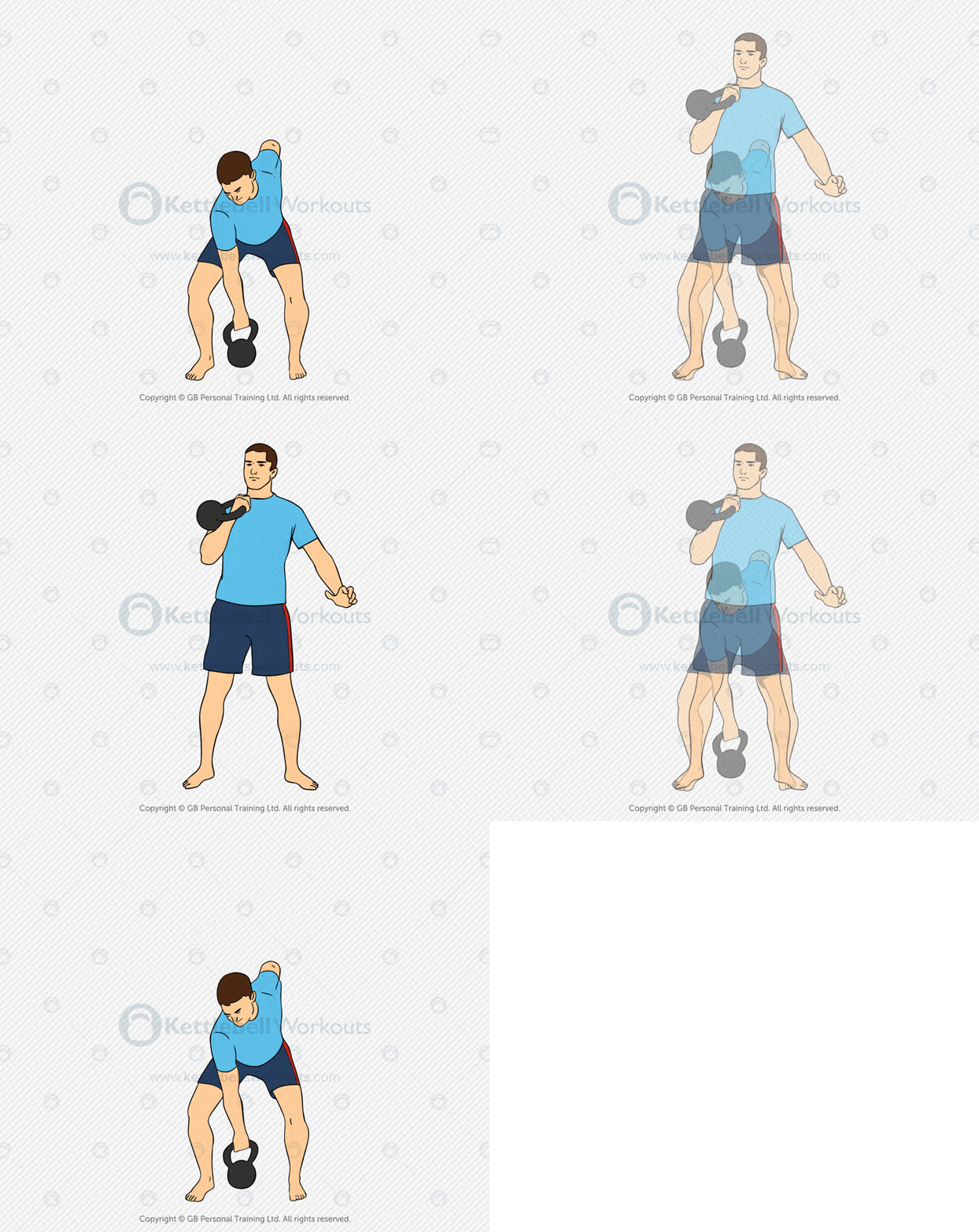 Clean
Clean- Clean, left: 60 seconds
- Clean, right: 60 seconds
- Repeat 2-4 rounds
The Clean can be an excellent conditioning movement once the rack catch is quiet and repeatable.
Clean + Racked Squat
IntermediateClean Racked Squat
- Clean, left: 5 reps
- Racked Squat, left: 5 reps
- Clean, right: 5 reps
- Racked Squat, right: 5 reps
- Repeat 2-4 rounds
This is the first true complex on the page. The kettlebell moves from the Clean directly into the racked Squat without unnecessary setup between exercises.
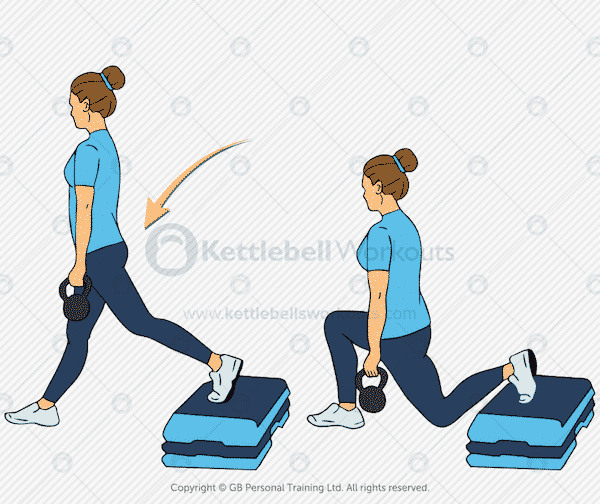
Clean + Reverse Lunge + Racked Squat
IntermediateClean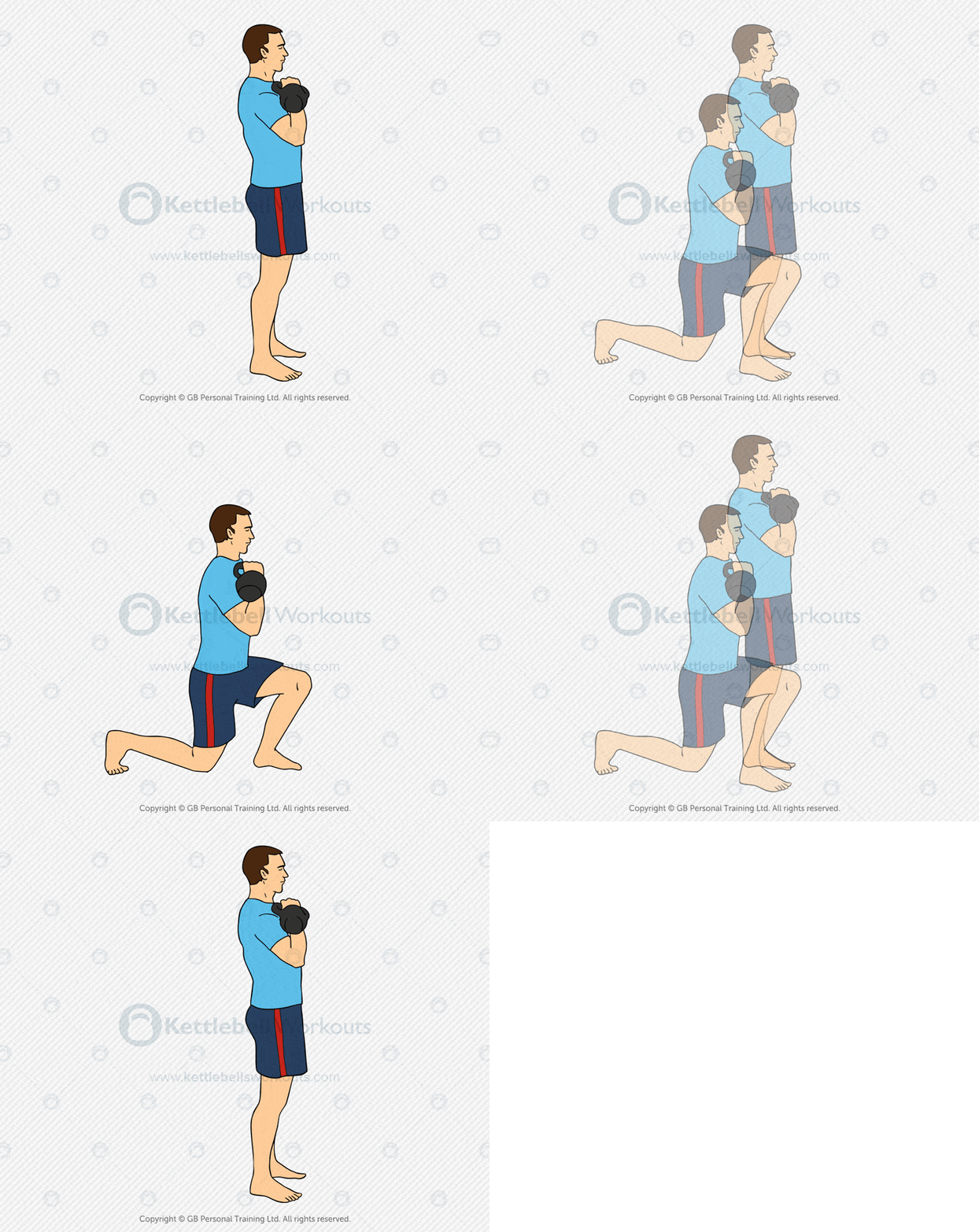 Reverse LungeRacked Squat
- Clean: 30 seconds each side
- Racked Reverse Lunge: 30 seconds each side
- Racked Squat: 30 seconds each side
- Repeat 2-4 rounds
Adding the Reverse Lunge makes this a longer lower-body complex. The aim is to move smoothly rather than rush from exercise to exercise.
4 Kettlebell Swing Cardio Workouts
Once your Swing is technically reliable, it becomes one of the simplest ways to build a kettlebell conditioning session.
Swings + Push Ups
Intermediate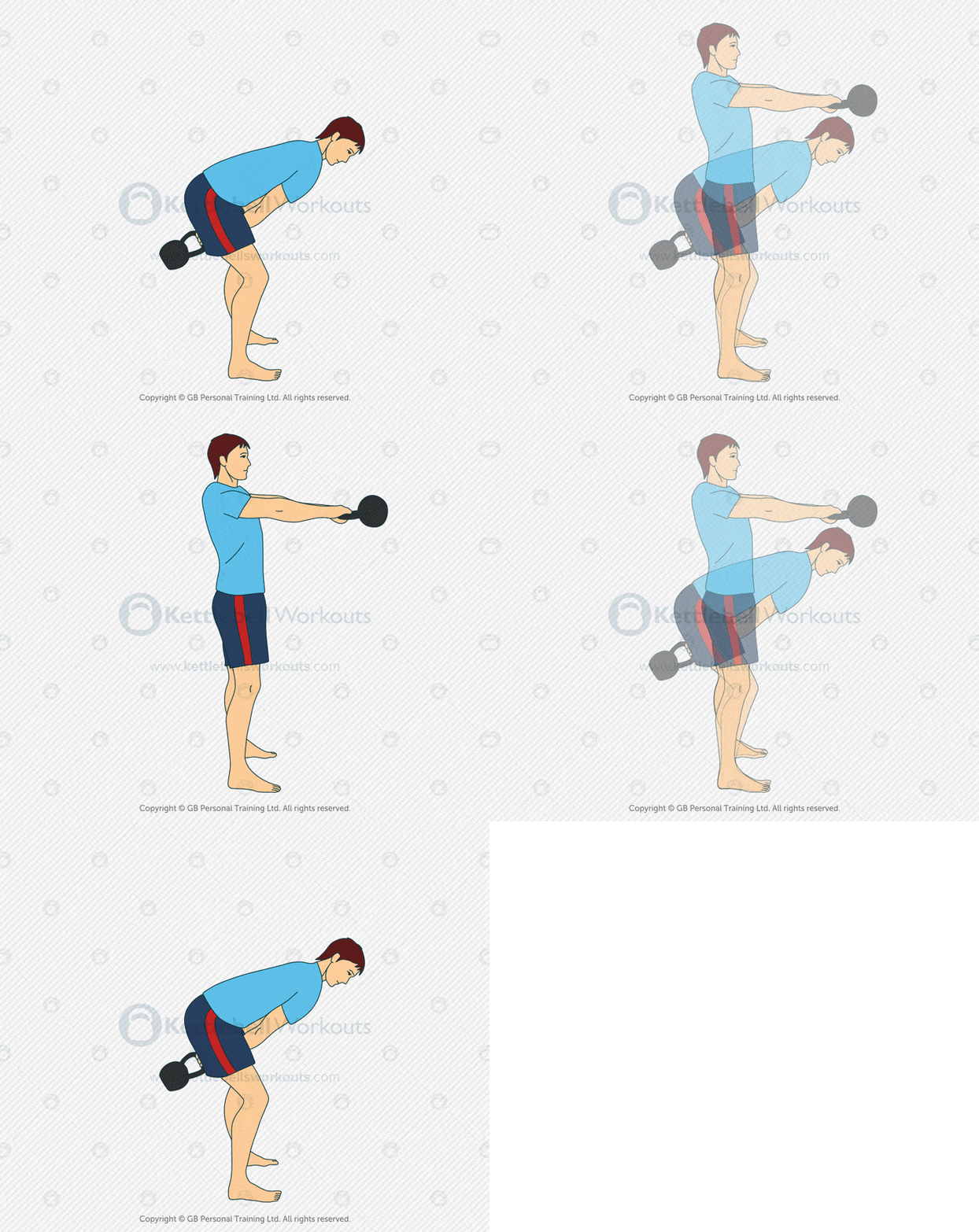 Two-Handed Swing
- Two-Handed Swing: 20 reps
- Push Ups: 10 reps
- Repeat, reducing Push Ups by 1 each round until 1
The Swing stays constant while Push Ups descend from 10 to 1. This keeps the hinge work high while the upper-body pushing volume gradually falls.
One-Handed Swing Ladder
Intermediate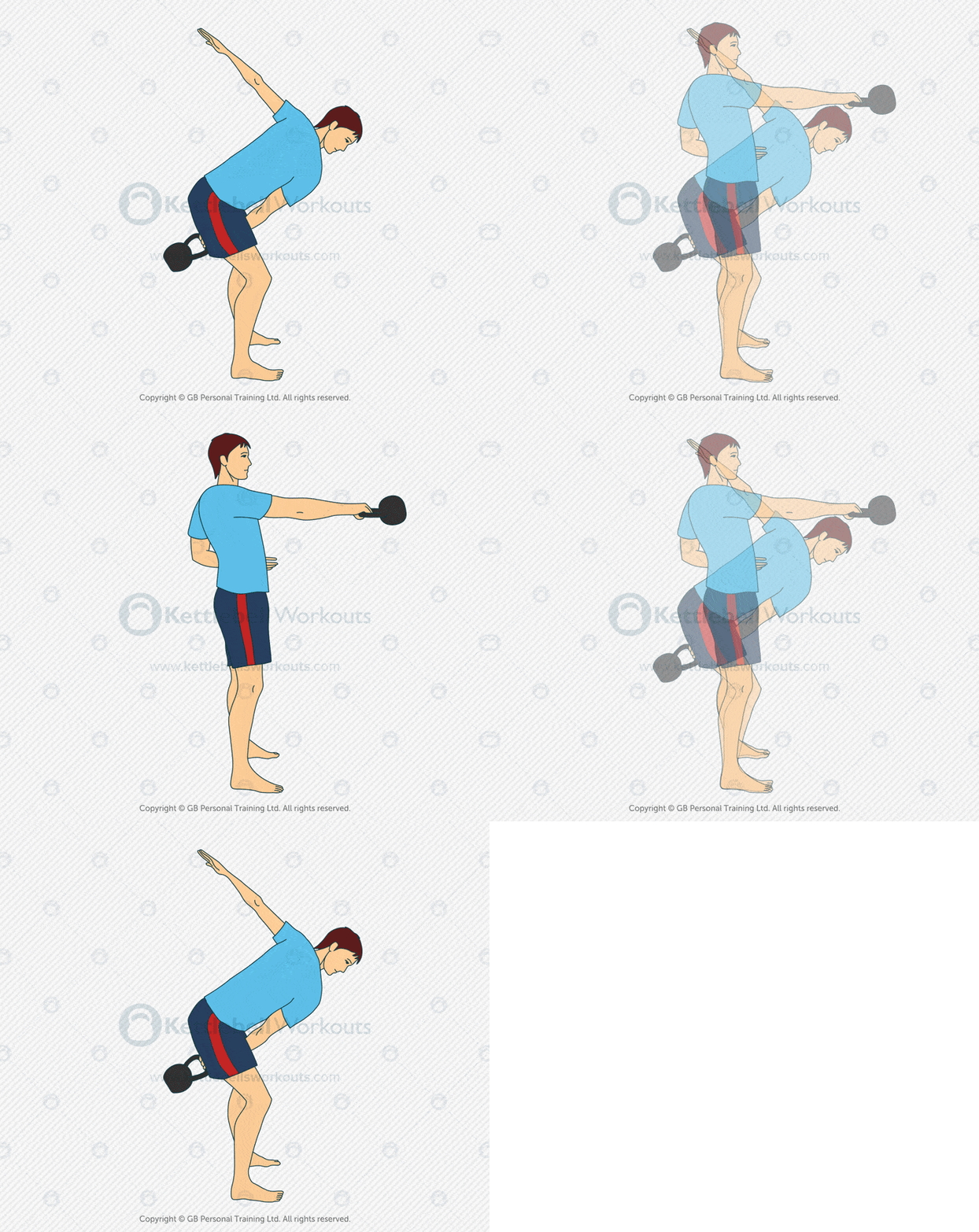 One-Handed Swing
- One-Handed Swing, left: 25 / 20 / 15 / 10 / 5
- One-Handed Swing, right: 25 / 20 / 15 / 10 / 5
The descending ladder reduces the repetitions as fatigue builds and gives both sides equal work.
Swing Variation Circuit
IntermediateTwo-Handed Swing Alternating SwingOne-Handed Swing
- Two-Handed Swing: 10 reps
- Alternating Swing: 10 reps
- One-Handed Swing, left: 10 reps
- One-Handed Swing, right: 10 reps
- Rest and repeat 2-4 rounds
This keeps the basic hip-hinge pattern but changes the hand position and coordination demand through the circuit.
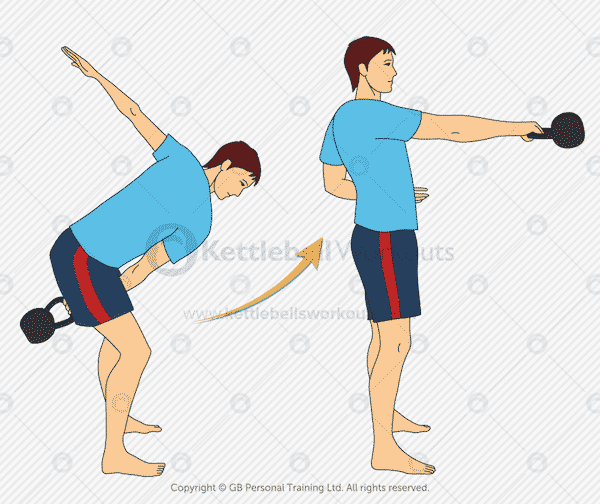
Lateral Swing Intervals
Advanced Lateral Swing
- Lateral Swing, left: 30 seconds
- Lateral Swing, right: 30 seconds
- Rest 15 seconds
- Repeat 2-5 rounds
This is a technical Swing variation with rotation and lateral movement. It belongs later in your training, not as a beginner cardio exercise.
9 Kettlebell Cardio Circuits That Flow
These circuits link exercises together so the kettlebell can move from one pattern to the next with very little wasted time.
Swing + Clean and Press + Racked Squat
IntermediateOne-Handed Swing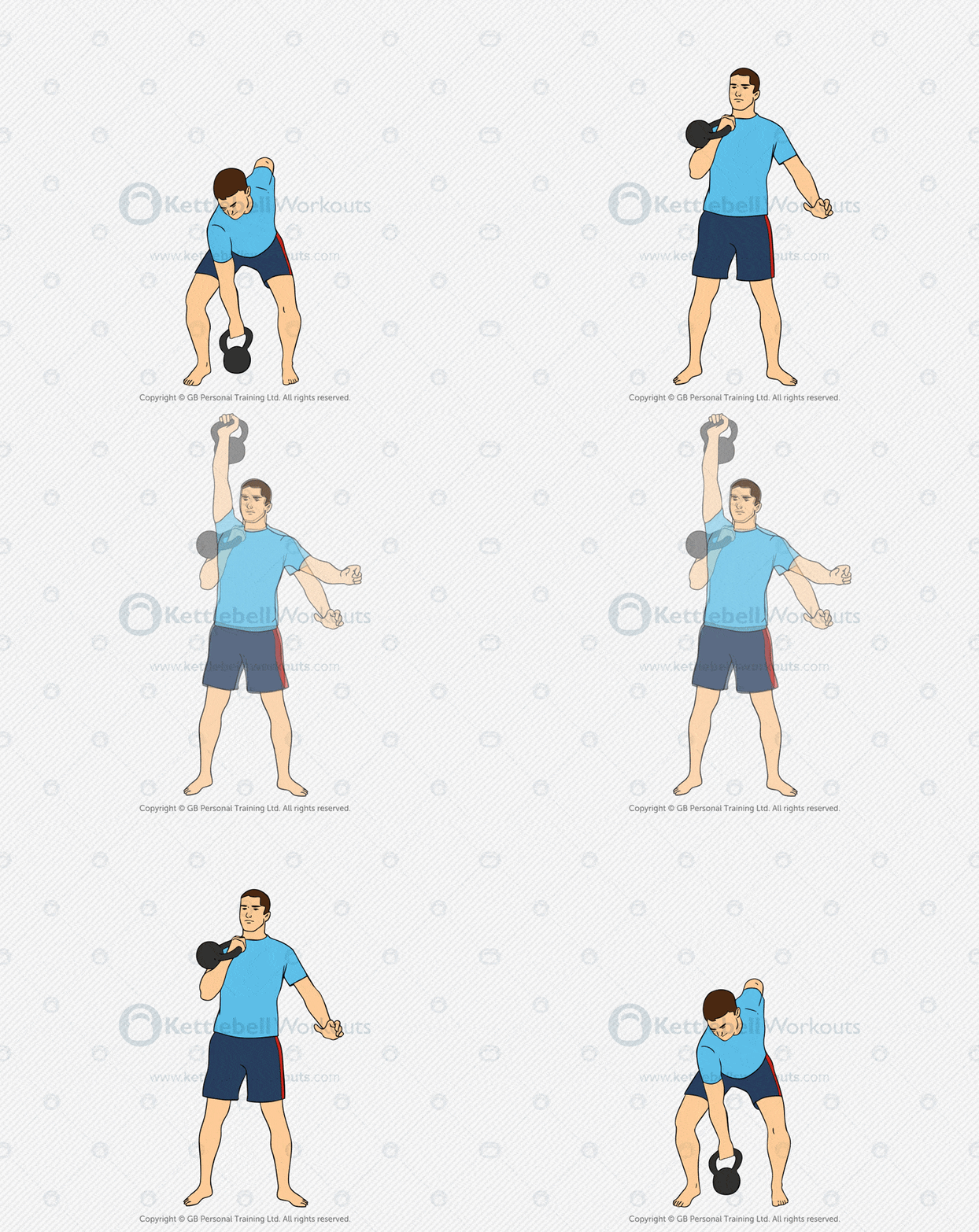 Clean and PressRacked Squat
- One-Handed Swing: 30 seconds each side
- Clean and Press: 30 seconds each side
- Racked Squat: 30 seconds each side
- Rest and repeat 2-4 rounds
A classic hinge-to-rack-to-overhead sequence followed by a squat. It trains several movement patterns without changing equipment.
Bob & Weave + Swing + Thruster
IntermediateBob and WeaveTwo-Handed Swing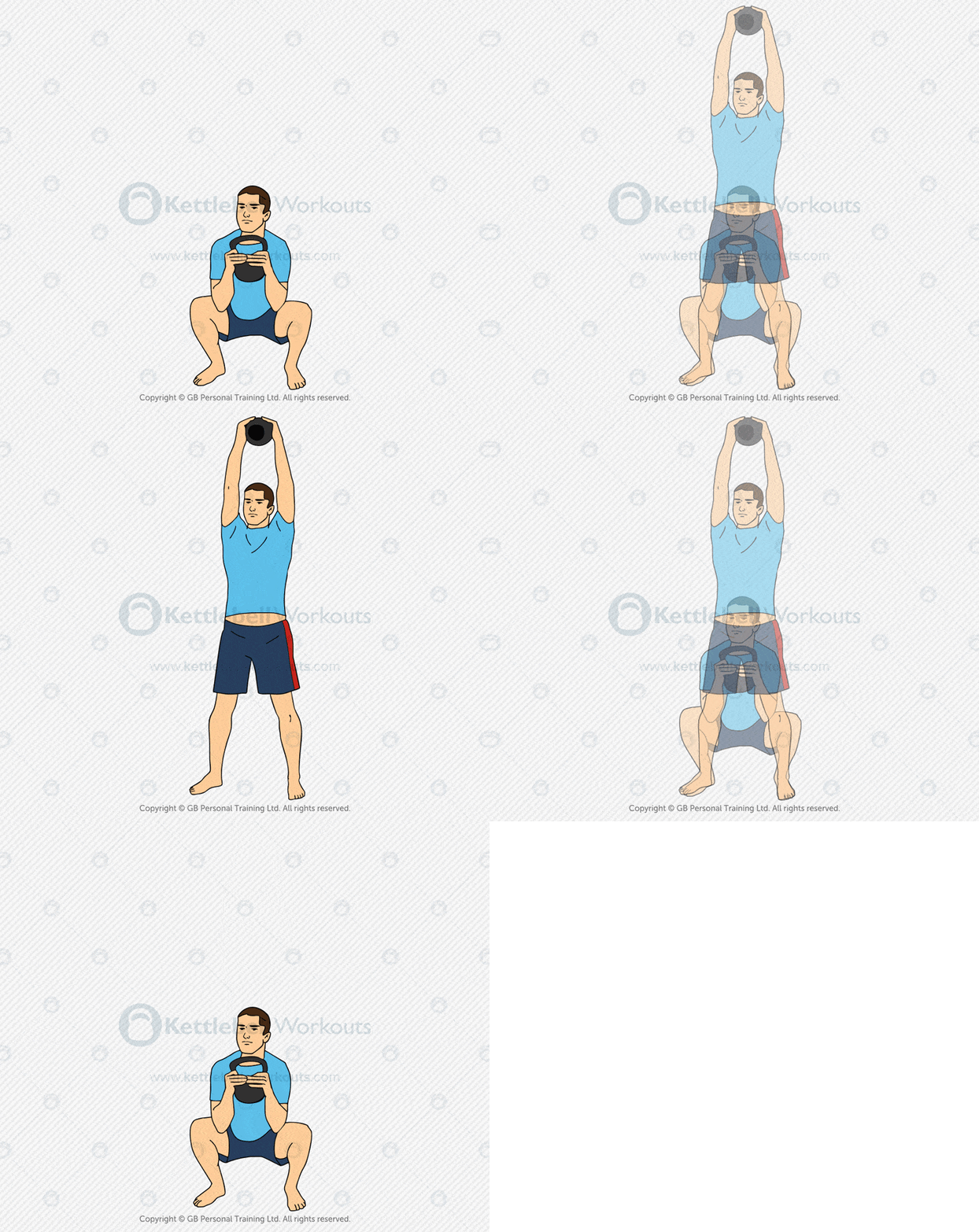 Squat and Press
- Bob & Weave: 20 reps
- Two-Handed Swing: 15 reps
- Two-Handed Squat and Press: 10 reps
- Rest and repeat 2-4 rounds
Lateral movement, hip power and a squat-to-press pattern make this a varied full-body circuit.
Lunge Rotation + Swing + Squat and Press
Intermediate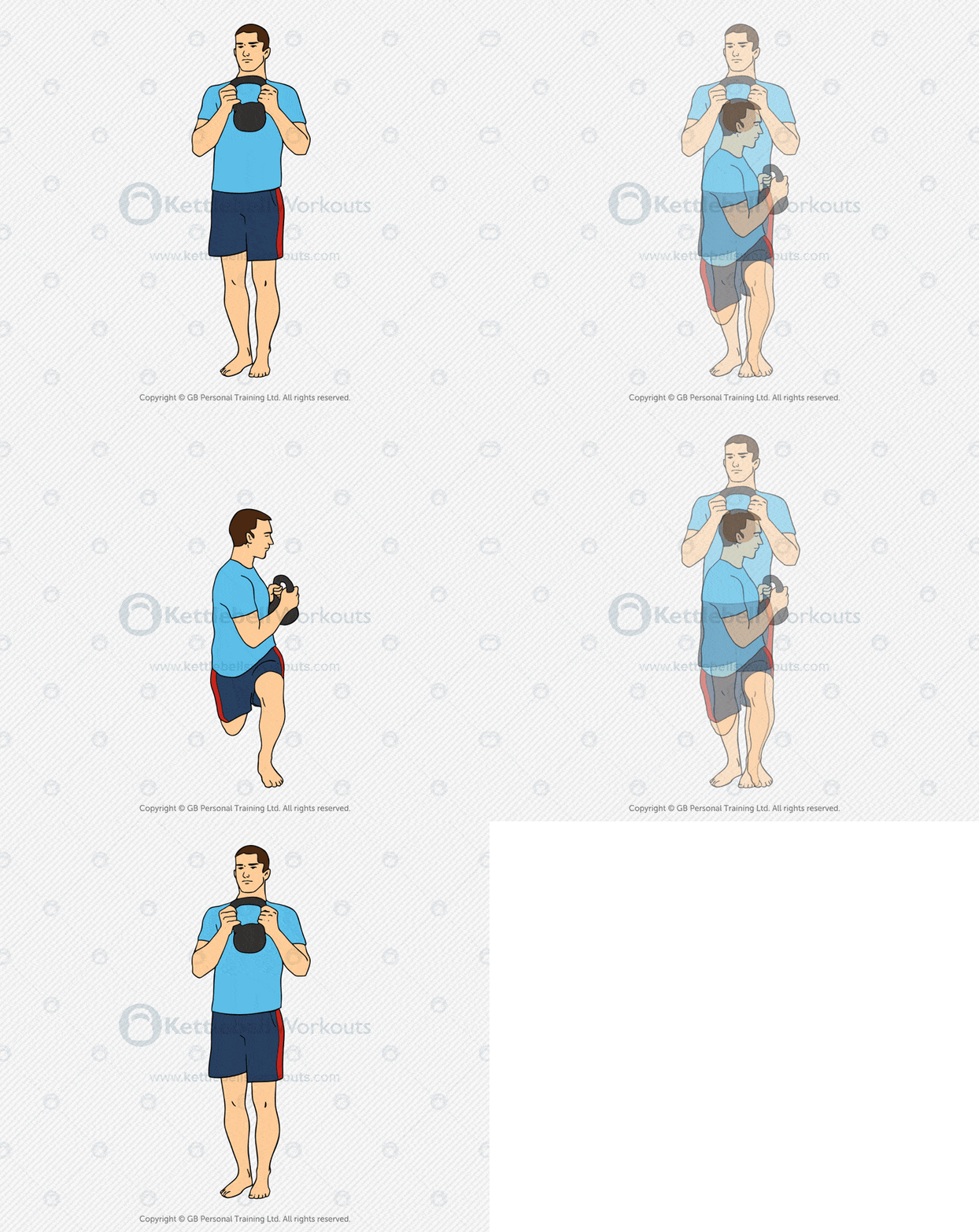 Lunge with RotationAlternating SwingSquat and Press
- Lunge with Rotation: 60 seconds
- Alternating Swings: 60 seconds
- Two-Handed Squat and Press: 60 seconds
- Rest and repeat 2-4 rounds
Three long timed blocks make this a demanding circuit. The movements change, but the work interval stays simple.
Swing + Clean + Reverse Lunge + Thruster
Intermediate / AdvancedOne-Handed SwingCleanReverse Lunge Thruster
- One-Handed Swing: 30 seconds each side
- Clean: 30 seconds each side
- Reverse Lunge: 30 seconds each side
- Thruster: 30 seconds each side
- Rest and repeat 2-4 rounds
A longer complex that moves from ballistic hip work into rack-based leg and overhead work.
Swing + Side Lunge + Push Ups
IntermediateTwo-Handed Swing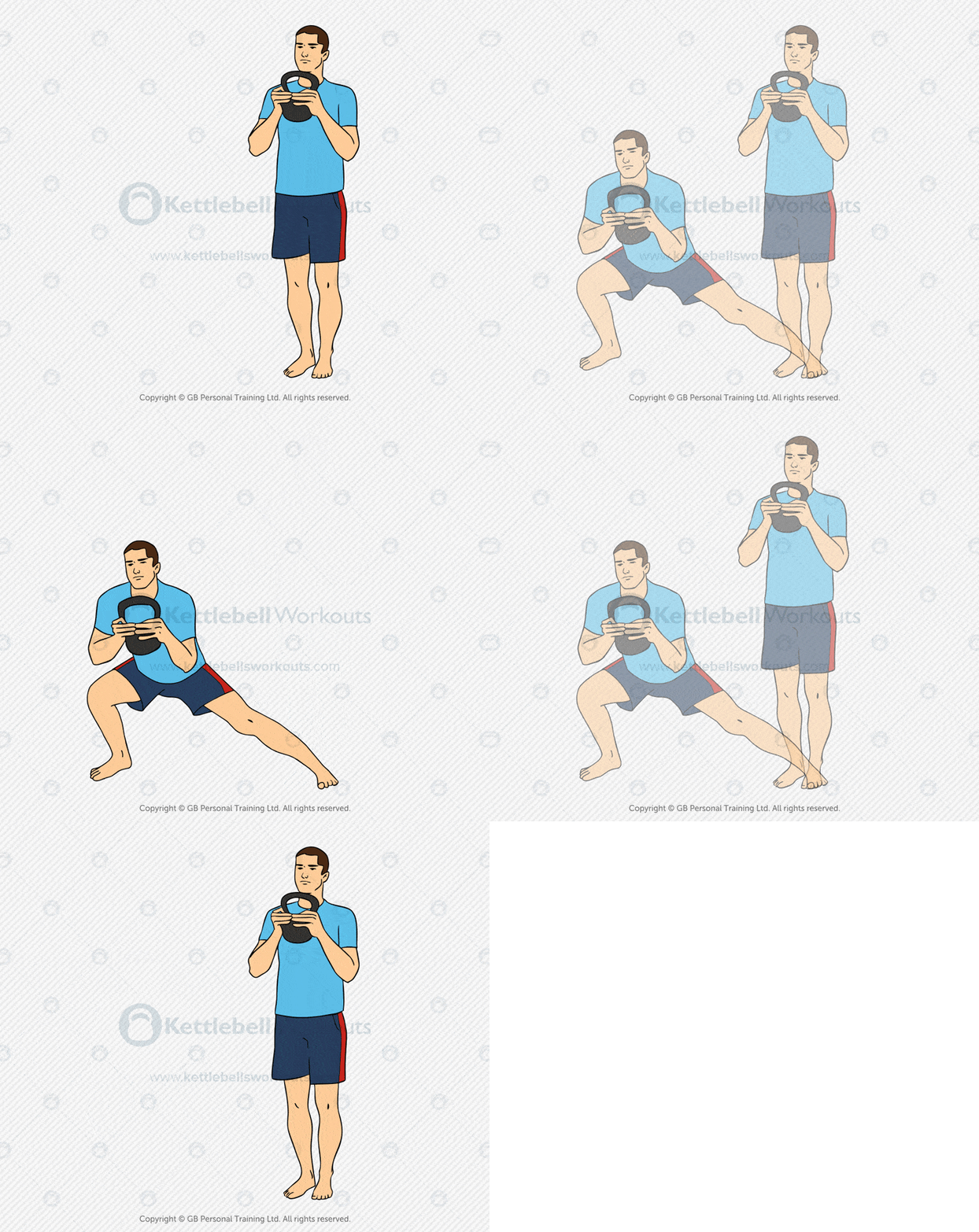 Side Lunge
- Two-Handed Swing: 30 seconds
- Side Lunge: 30 seconds each side
- Push Ups: 30 seconds
- Rest and repeat 2-4 rounds
This adds lateral leg work and an upper-body push to the Swing without requiring a highly technical kettlebell complex.
Swing + Racked Squat + Clean + Reverse Lunge Press
AdvancedOne-Handed SwingRacked SquatClean Lunge and Press
- One-Handed Swing: 30 seconds each side
- Racked Squat: 30 seconds each side
- Clean: 30 seconds each side
- Reverse Lunge and Press: 30 seconds each side
- Rest and repeat 2-4 rounds
This is a complex session with repeated rack changes, unilateral loading and overhead work. It demands skill as much as fitness.
Swing + High Pull Ladder
AdvancedOne-Handed Swing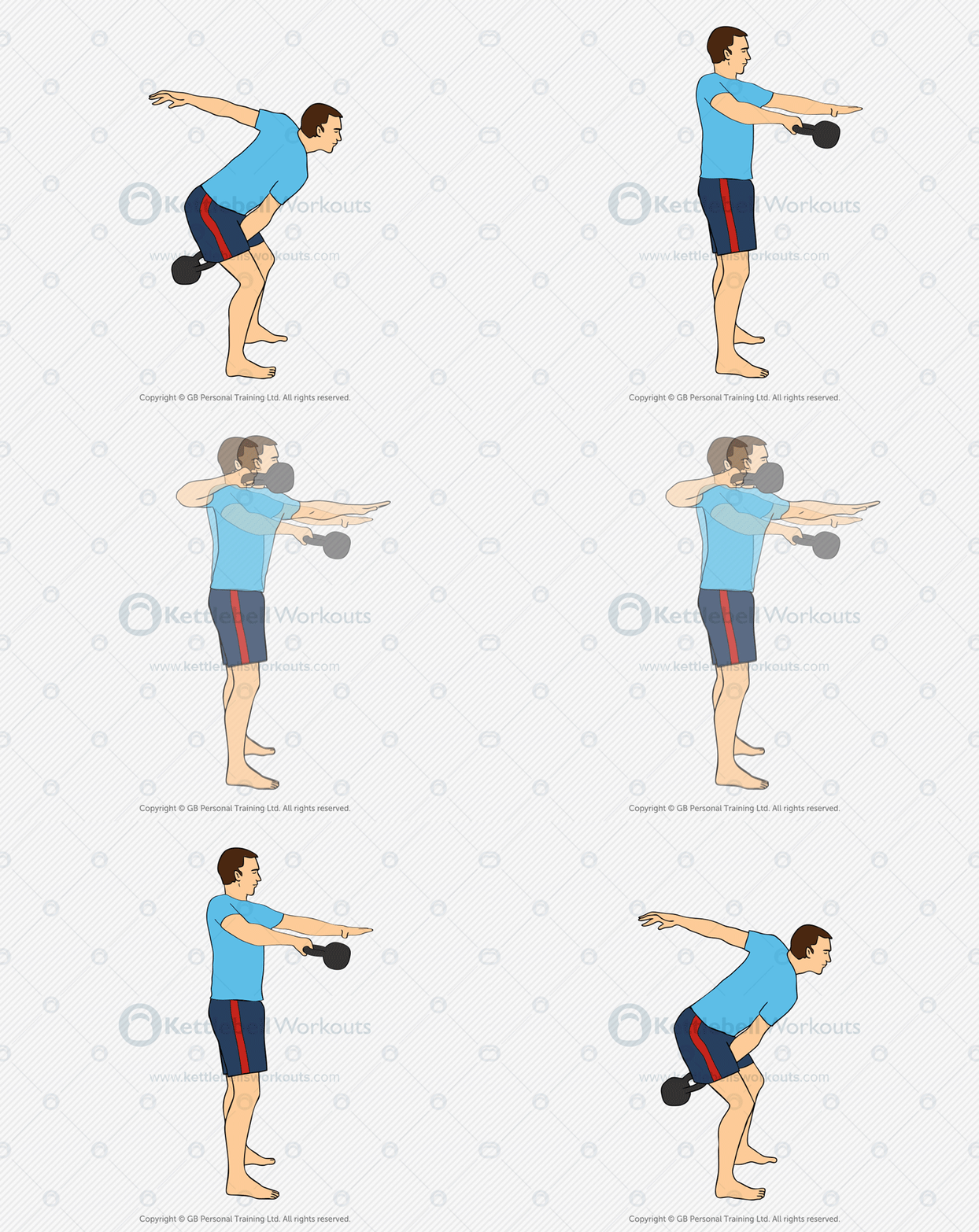 High Pull
- One-Handed Swing, left: 10 down to 1
- High Pull, left: 10 down to 1
- Repeat on right side
- Reduce each exercise by 1 rep per round
A descending ladder pairs the Swing with the High Pull, which is a logical progression towards more advanced ballistic work.
Swing + High Pull + Snatch
AdvancedOne-Handed SwingHigh Pull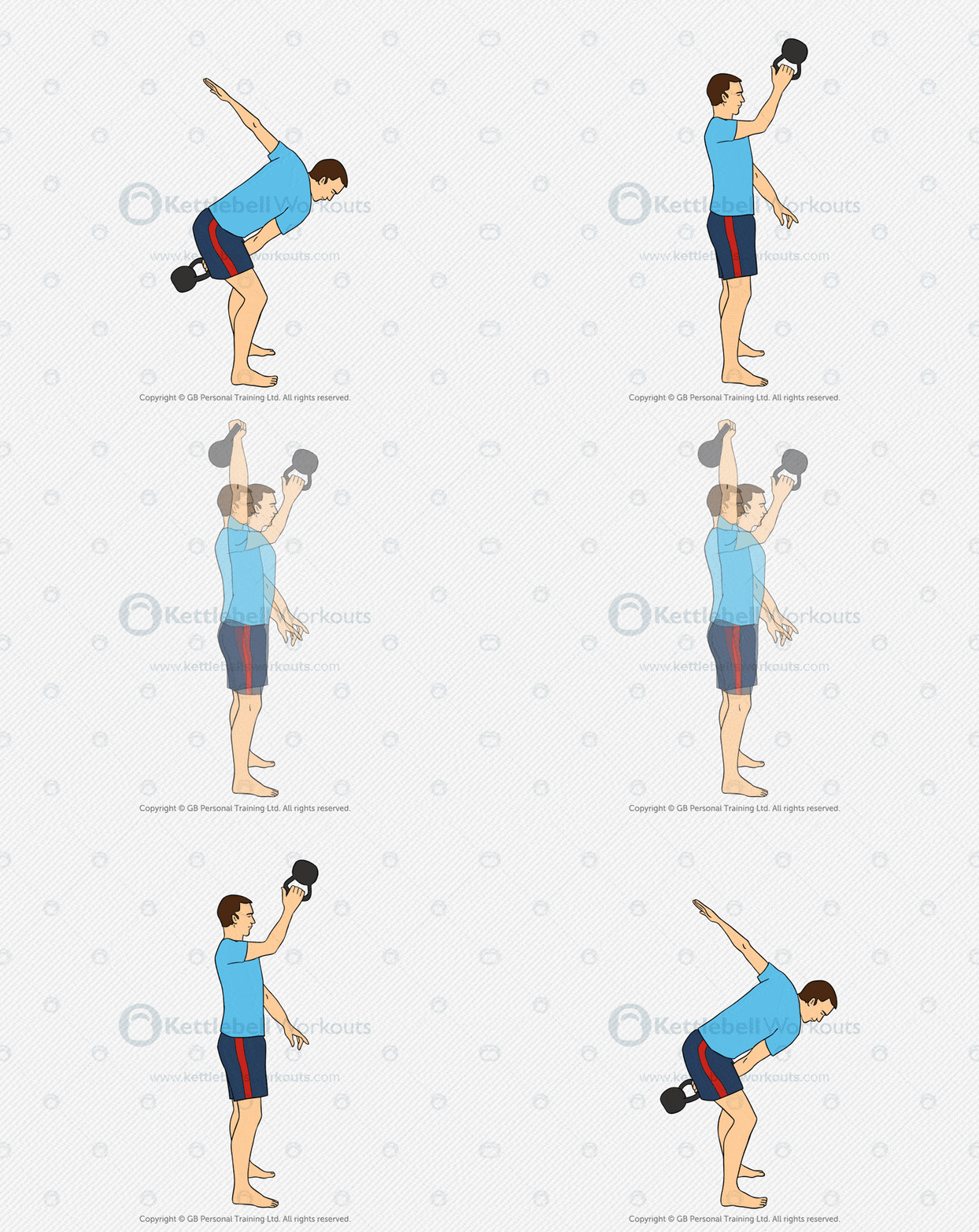 Snatch
- One-Handed Swing: 10 reps
- High Pull: 10 reps
- Snatch: 10 reps
- Repeat on the other side
This is a skill progression in workout form: Swing, High Pull, then Snatch. Each exercise builds on the ballistic pattern before it.
Snatch + Double Lunge
AdvancedSnatch Double Lunge
- Snatch: 10 reps each side
- Double Lunge: 8 reps each side
- Rest and repeat 2-4 rounds
The Snatch provides repeated overhead ballistic work while the Double Lunge adds a demanding leg sequence.
5 Advanced Kettlebell Cardio Workouts
These final workouts use movements that demand greater mobility, balance, coordination or kettlebell skill. They are not simply harder because the heart rate is higher.
Deck Squat + Push Ups
Advanced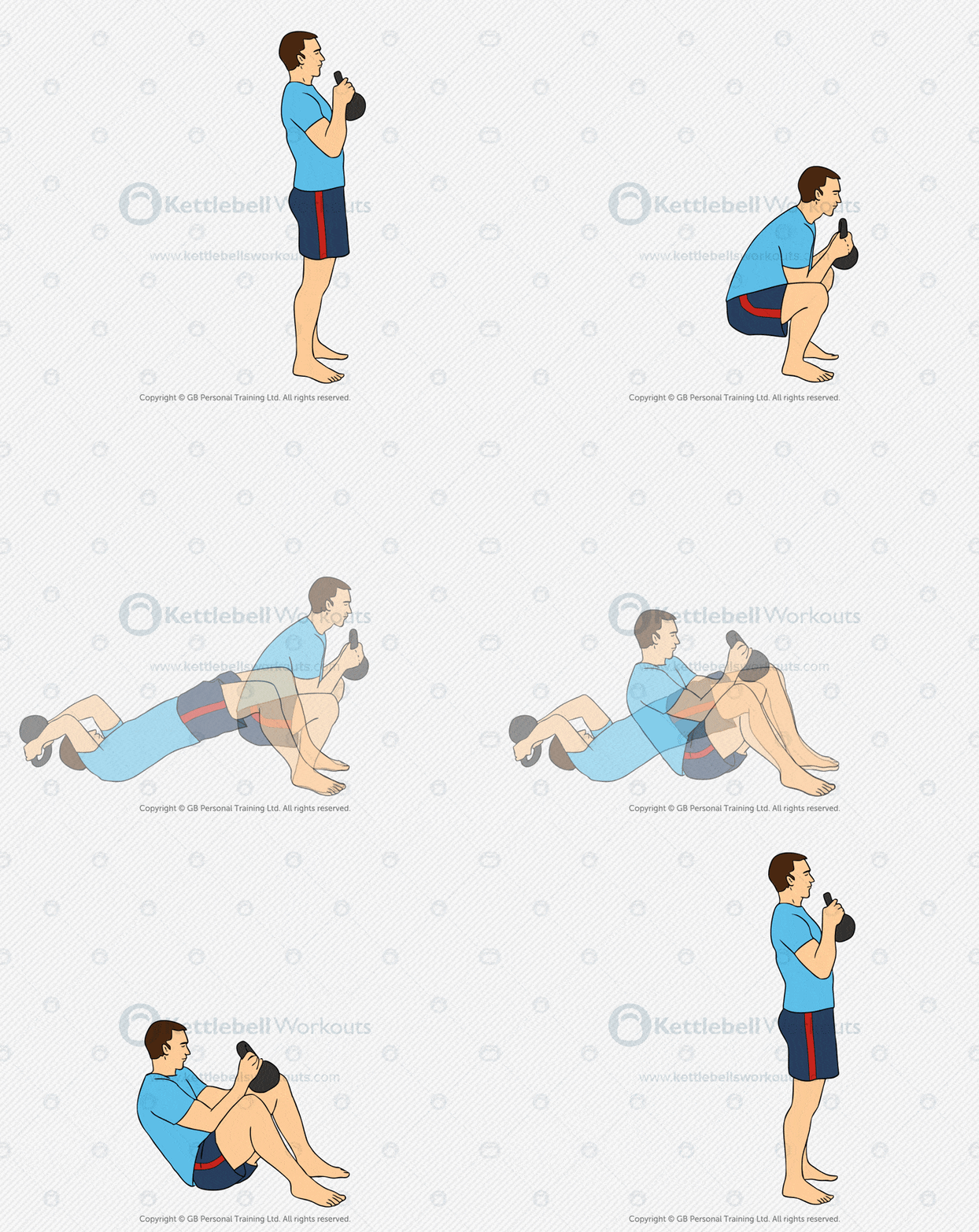 Deck Squat
- Deck Squat: 5 reps
- Push Ups: as many quality reps as possible
- Rest and repeat 2-4 rounds
The Deck Squat repeatedly moves you from the floor back to standing, then the Push Ups add upper-body work.
Pistol Squat Ladder
Advanced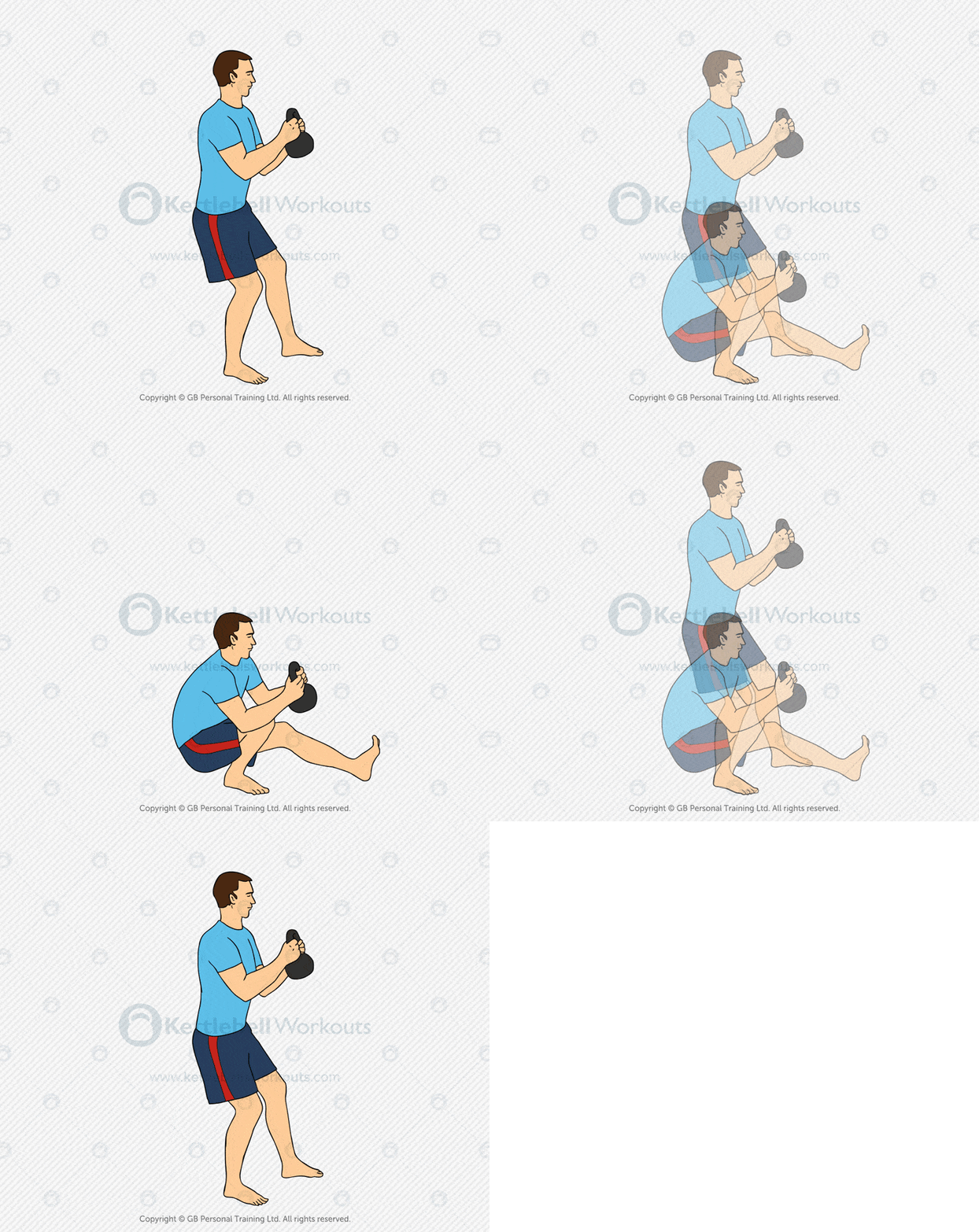 Pistol Squat
- Pistol Squat: 1 rep each side
- Then 2 each side
- Then 3 each side
- Continue adding 1 rep while technique remains good
This is primarily a strength and skill challenge with a conditioning effect as the ladder grows.
Side Lunge and Clean + Swings
Advanced Side Lunge and CleanTwo-Handed Swing
- Side Lunge and Clean: 10 reps each side
- Two-Handed Swing: 20 reps
- Rest and repeat 2-4 rounds
The Side Lunge and Clean adds lateral movement and a rack transition before returning to a simpler Swing.
Side-Stepping Swing Intervals
Advanced Side-Stepping Swing
- Side-Stepping Swing: 60 seconds
- Rest
- Repeat 2-4 rounds
This asks you to maintain Swing rhythm while moving laterally. Coordination is the limiting factor before conditioning.
Clean, Squat and Press + Reverse Lunge
Advanced Clean, Squat and PressReverse Lunge
- Clean, Squat and Press: 10 reps each side
- Reverse Lunge: 10 reps each side
- Rest and repeat 2-4 rounds
A demanding full-body combination that joins the Clean, Squat and Press before finishing with unilateral leg work.

How to Progress Your Kettlebell Cardio
Change one variable at a time. You can make the same workout harder without immediately choosing a more complicated exercise.
How Often Should You Do Kettlebell Cardio?
Frequency depends on the intensity, duration, exercises and the rest of your training. A short technique-focused circuit is very different from a hard Snatch and Lunge session.
As a practical starting point, use 2-3 conditioning sessions per week and adjust according to recovery. If you also perform demanding resistance training, sport or long endurance sessions, the kettlebell cardio volume should fit around those demands rather than compete with them.
Related Kettlebell Training
Frequently Asked Questions
Are kettlebells good for cardio?
Yes. Full-body kettlebell movements can create a high cardiovascular demand when they are organised into intervals, circuits or complexes with suitable loads and rest periods.
What is the best kettlebell cardio workout for beginners?
Start with simple movements you can already control. Workout 1 uses only the Single-Arm Deadlift, while Workouts 2-4 add Squats, lateral movement and floor work without requiring the Swing.
Can I do kettlebell cardio without Swings?
Yes. The first 7 workouts on this page use Deadlifts, Squats, Bob and Weave, Sit and Press, Cleans and rack-based exercises before the dedicated Swing section begins.
How long should a kettlebell cardio workout be?
It can be short. Ten to 20 minutes of well-organised work may be enough for a demanding session. Duration should reflect your training level, the movements used and the intensity of each interval.
Is kettlebell cardio HIIT?
It can be, but not every kettlebell conditioning session needs to be HIIT. You can use moderate circuits, EMOMs, ladders or longer steady work as well as harder intervals.
What kettlebell exercises are best for cardio?
Exercises that use a large amount of muscle and that you can repeat safely work well. Swings, Cleans, Squats, Lunges, Thrusters and Snatches can all be useful depending on your skill level.
Thank you for making these workouts available and the fantastic video demos!
Love the kettelball , and love your site
Can You do these everyday, or should you rest one day inbetween
Thanks Steve, recovery time depends on so many factors: age, experience, diet, genetics, workout intensity etc. The best solution is to rest when you feel you need to, you could start with one day on and one day off and progress from there.