
Last Updated on 7 August 2026 by Greg Brookes
If your goals include getting stronger, building muscle, improving the shape and function of your lower body or simply moving better, then kettlebell leg exercises deserve a major place in your training.
Below you will find 21 kettlebell leg exercises, organised into hamstring exercises, squats and lunges, full-body movements and double-kettlebell exercises. At the end I have also included a simple way to turn them into a balanced kettlebell leg workout.
You do not need to learn all 21 exercises. Start with the fundamental movements, become comfortable with good technique and then progress to the more demanding variations.
6 Kettlebell Leg Exercises to Learn First
If you are working through this list for the first time, I would begin with these 6 movements. Together they teach the main lower-body patterns you will need for most of the exercises that follow.
Kettlebell Exercises for the Hamstrings
These exercises are built around the hip hinge. The hamstrings and glutes do most of the work while the back stays stable and the movement comes from the hips.
Kettlebell Good Morning
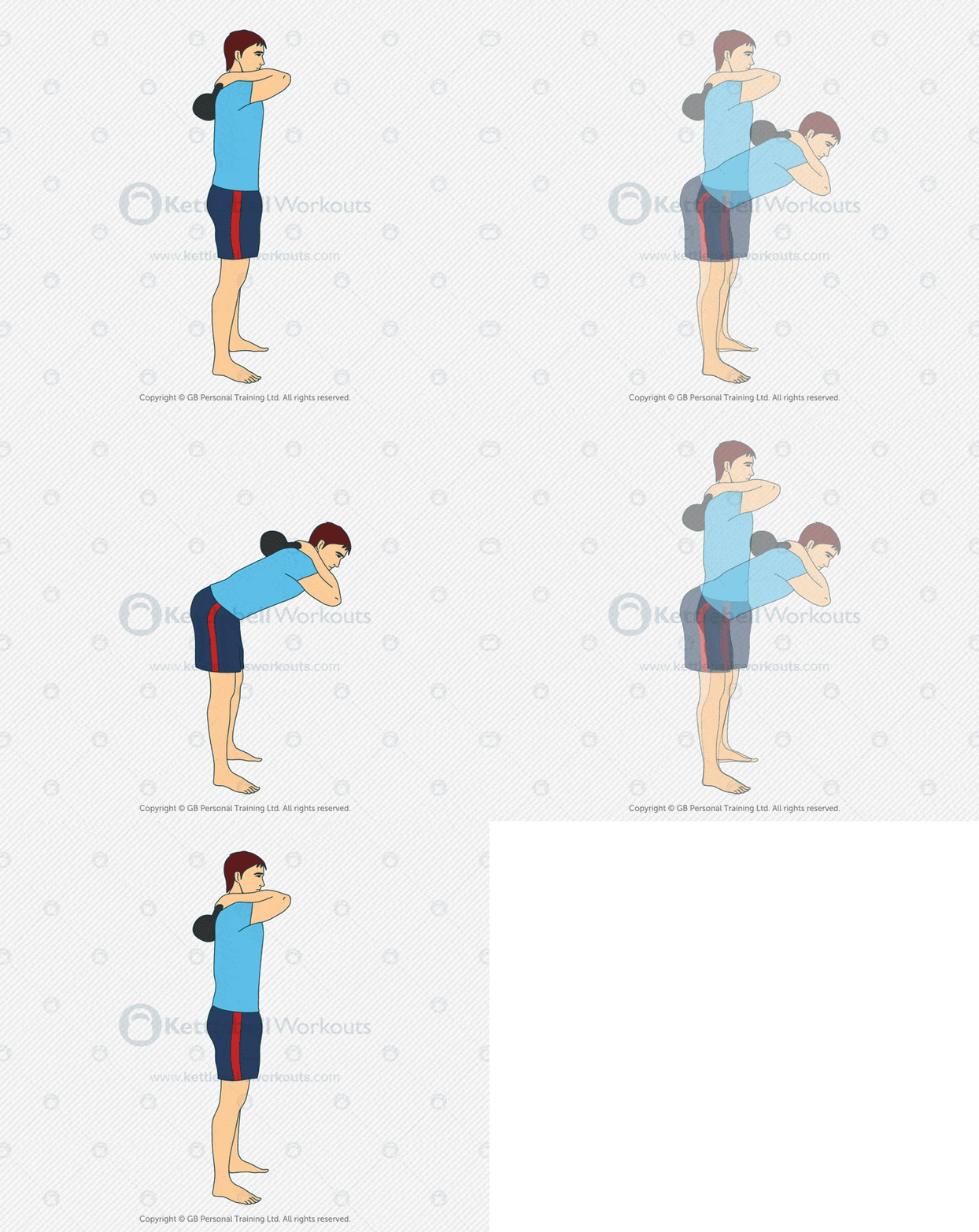
The kettlebell good morning is a great beginner exercise for learning how the hamstrings function while strengthening them at the same time.
Keep the back flat from the buttocks to the shoulders and slowly push the hips backwards. Only go as far as your hamstrings allow before you start to lose the flat position of your back.
Use a light kettlebell and perform 5–10 slow repetitions as practice or as part of your warm-up.
Kettlebell Single Arm Deadlift
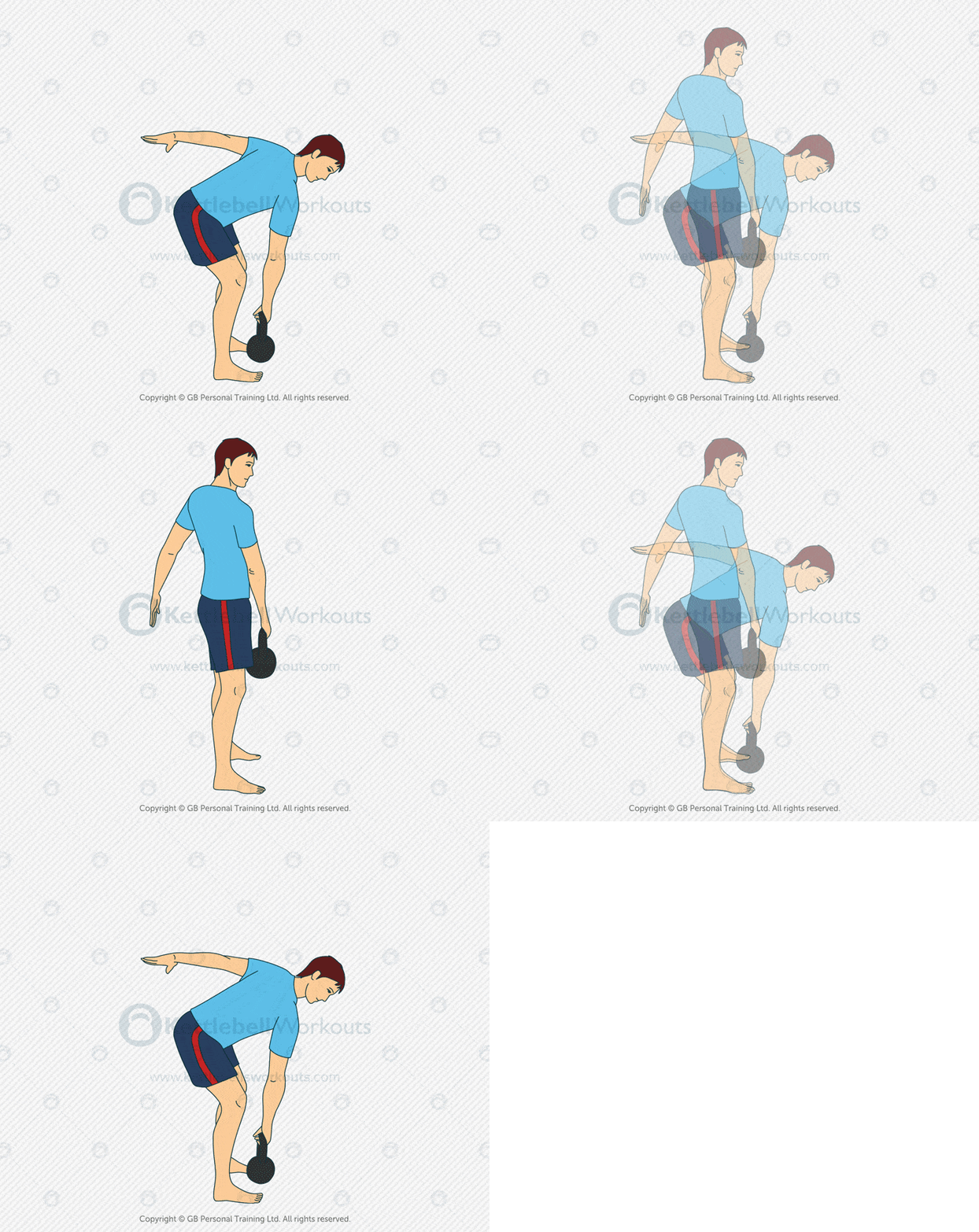
The kettlebell single arm deadlift is the perfect introduction to kettlebell training and helps you master the all-important hip hinge.
Keep the back flat and generate the movement by pushing the hips backwards rather than bending through the lower back. Once the movement is solid you can gradually increase the load.
Perform 6–12 repetitions on each side at a medium tempo.
Kettlebell Single Leg Deadlift
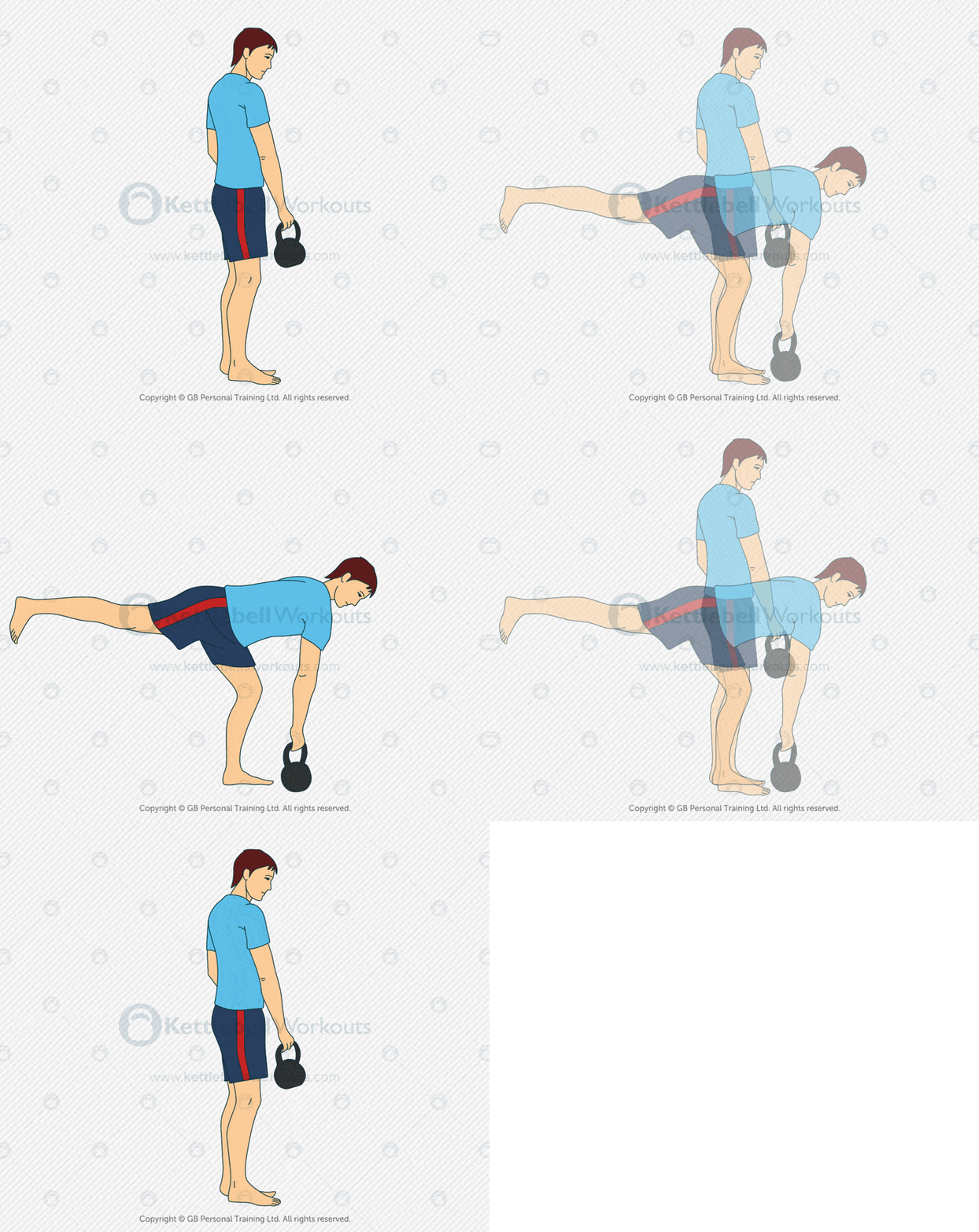
The kettlebell single leg deadlift is a personal favourite of mine. It challenges your hamstrings, balance and core all at the same time.
Keep the back flat, hinge from the hips and hold the kettlebell in the opposite hand to the leg you are standing on. Try to keep the hips square rather than rotating as you descend.
Practice 5 slow and deliberate repetitions on each side.
Kettlebell Two Handed Swing
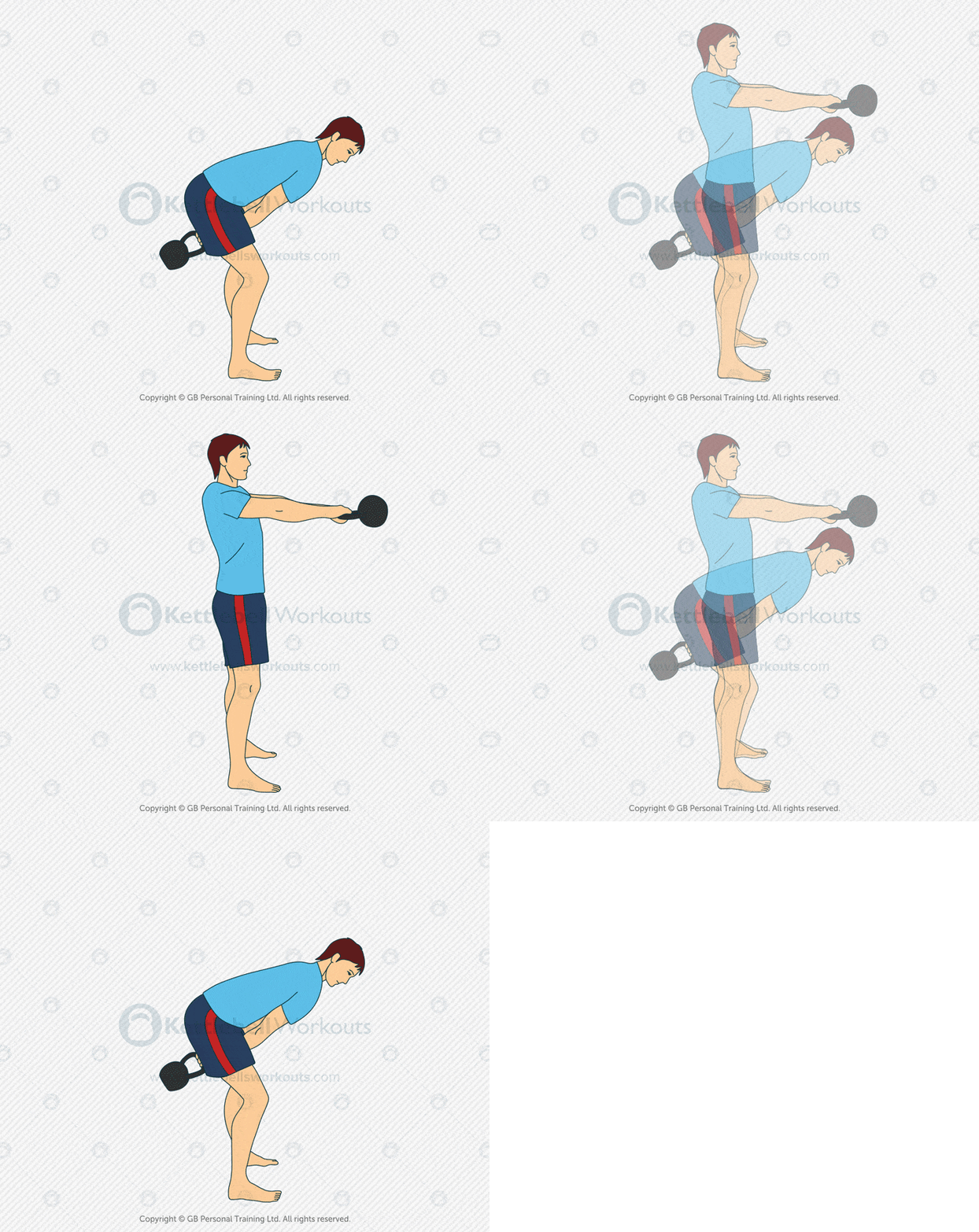
The kettlebell swing is the ultimate full-body kettlebell exercise and works particularly hard into the hamstrings and glutes.
The back stays flat and the movement comes from the hips rather than the lower back. Keep your weight through the heels and let the hips drive the kettlebell forwards.
Practice 10 repetitions before resting and gradually work up to 20 repetitions per set.
Kettlebell Windmill
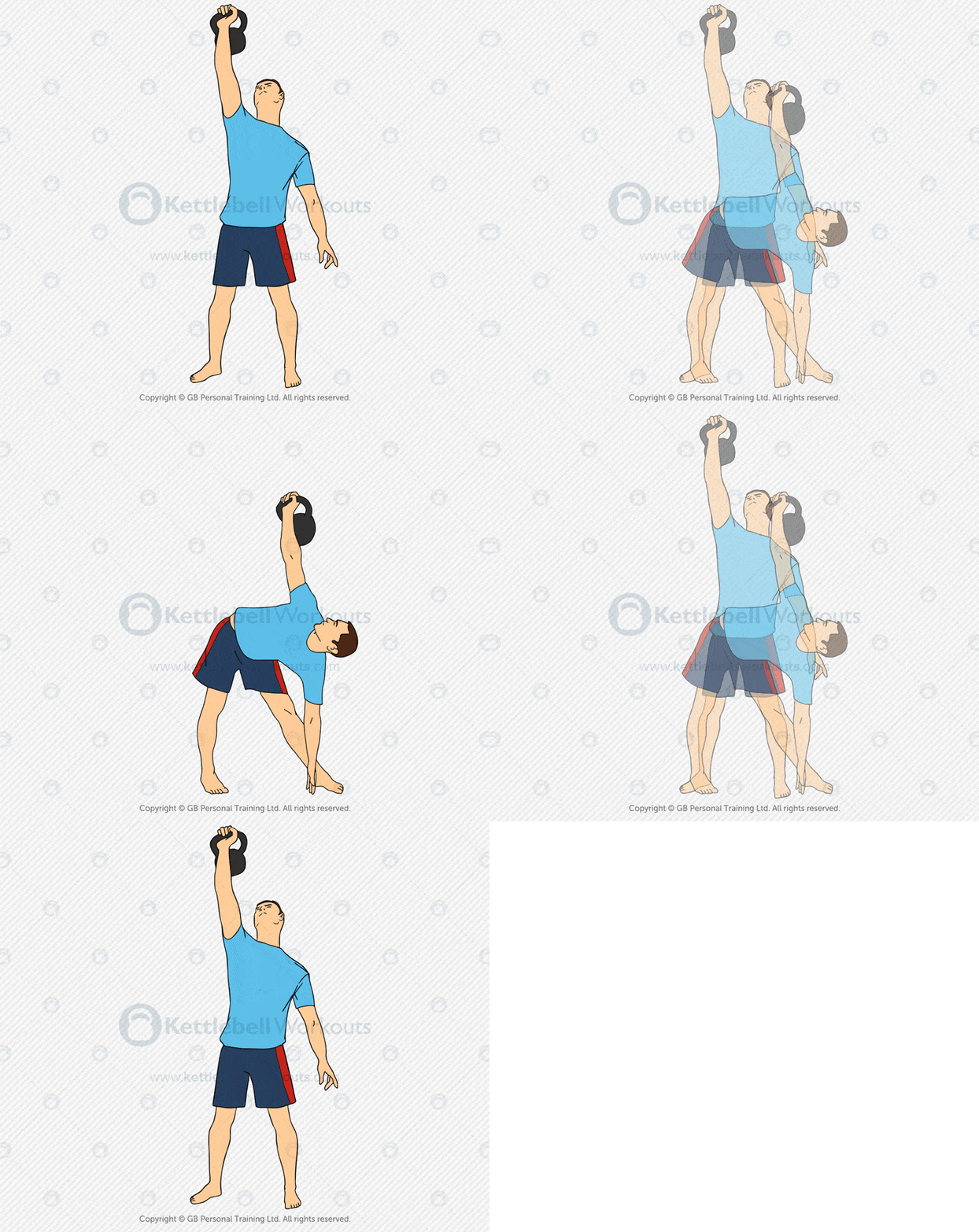
The kettlebell windmill is a more technical movement that develops shoulder and core stability while working deeply into the hamstrings.
Keep the top arm locked out, push the hips backwards and descend only as far as your mobility allows. Do not force your way towards the floor if the hamstrings and hips are tight.
Practice 5 slow and controlled repetitions on each side.
Kettlebell Squats and Lunges
Squats and lunges add more knee bend and place greater emphasis on the quadriceps while still training the glutes and hamstrings. Start with the goblet squat and reverse lunge before moving into the more demanding variations.
Kettlebell Goblet Squat
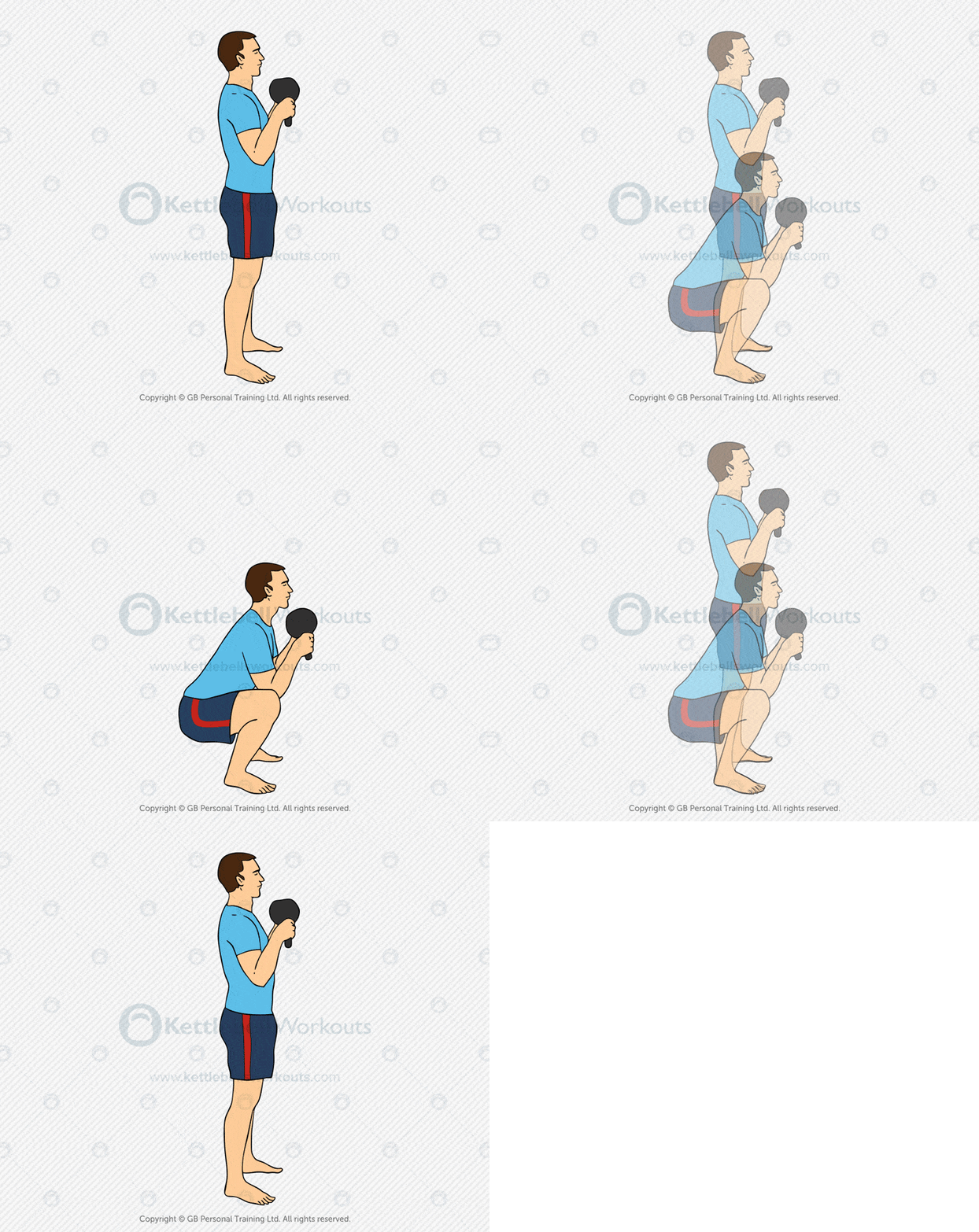
The kettlebell goblet squat is the ultimate beginner leg exercise and works the quads, hamstrings and glutes together.
Keep the chest lifted and your weight through the heels. If the movement feels difficult, practise the squat without a kettlebell first or hold onto a post or chair for support.
Practice 10 repetitions at a medium tempo.
Kettlebell Racked Squat

The kettlebell racked squat takes the goblet squat to the next level by loading one side of the body.
You get the same quad, hamstring and glute work as the goblet squat, but the uneven load asks more from the core as you fight to stay stable and upright.
Practice 10 medium-tempo repetitions on each side.
Kettlebell Racked Reverse Lunge
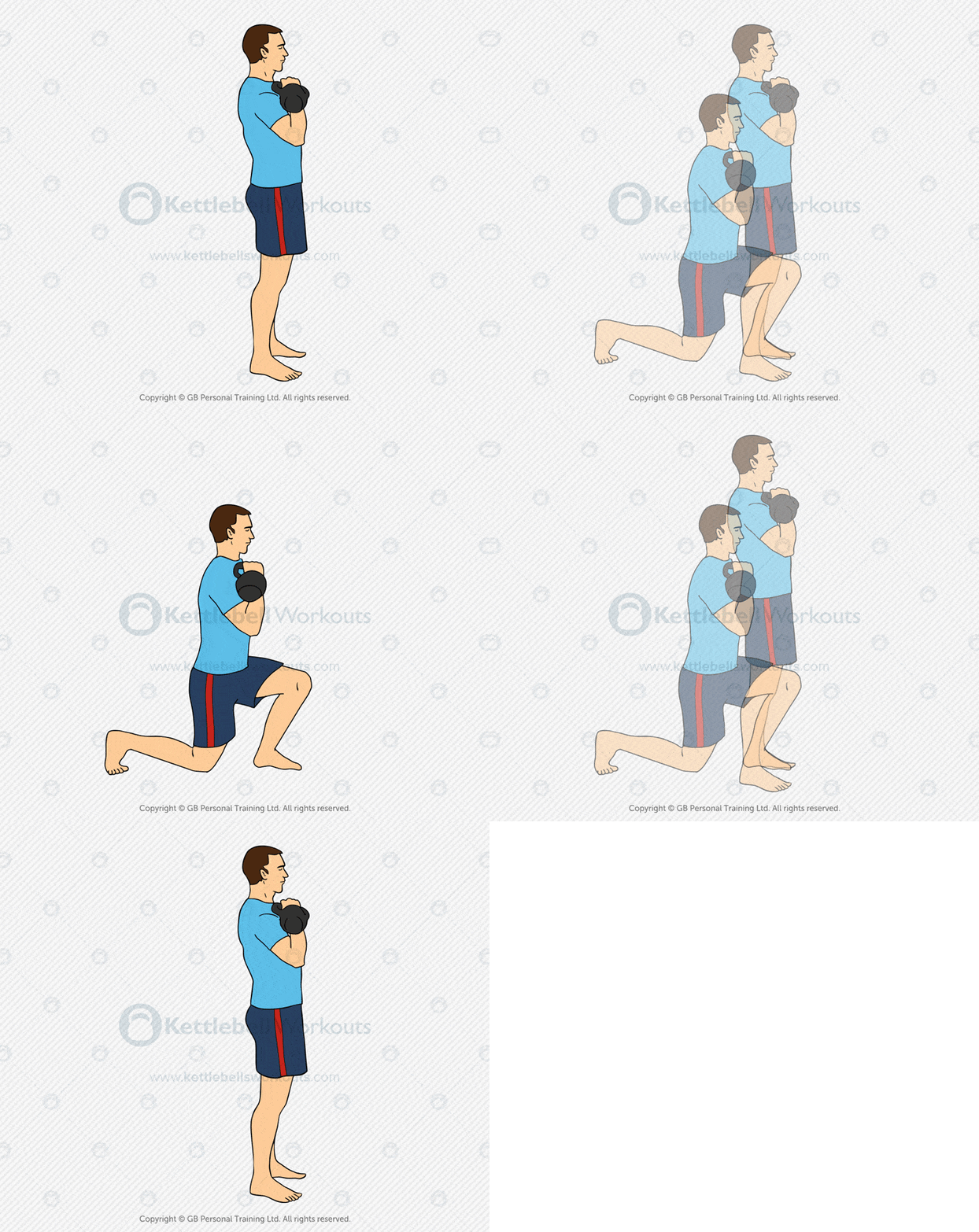
The kettlebell reverse lunge moves you from a two-legged squat pattern into a more single-leg dominant exercise.
The reverse lunge is generally easier to learn than a forward lunge. Keep the chest up and lower the back knee towards the floor while maintaining control through the front leg.
Practice 6–12 steady, controlled repetitions on each side.

Kettlebell Bob and Weave
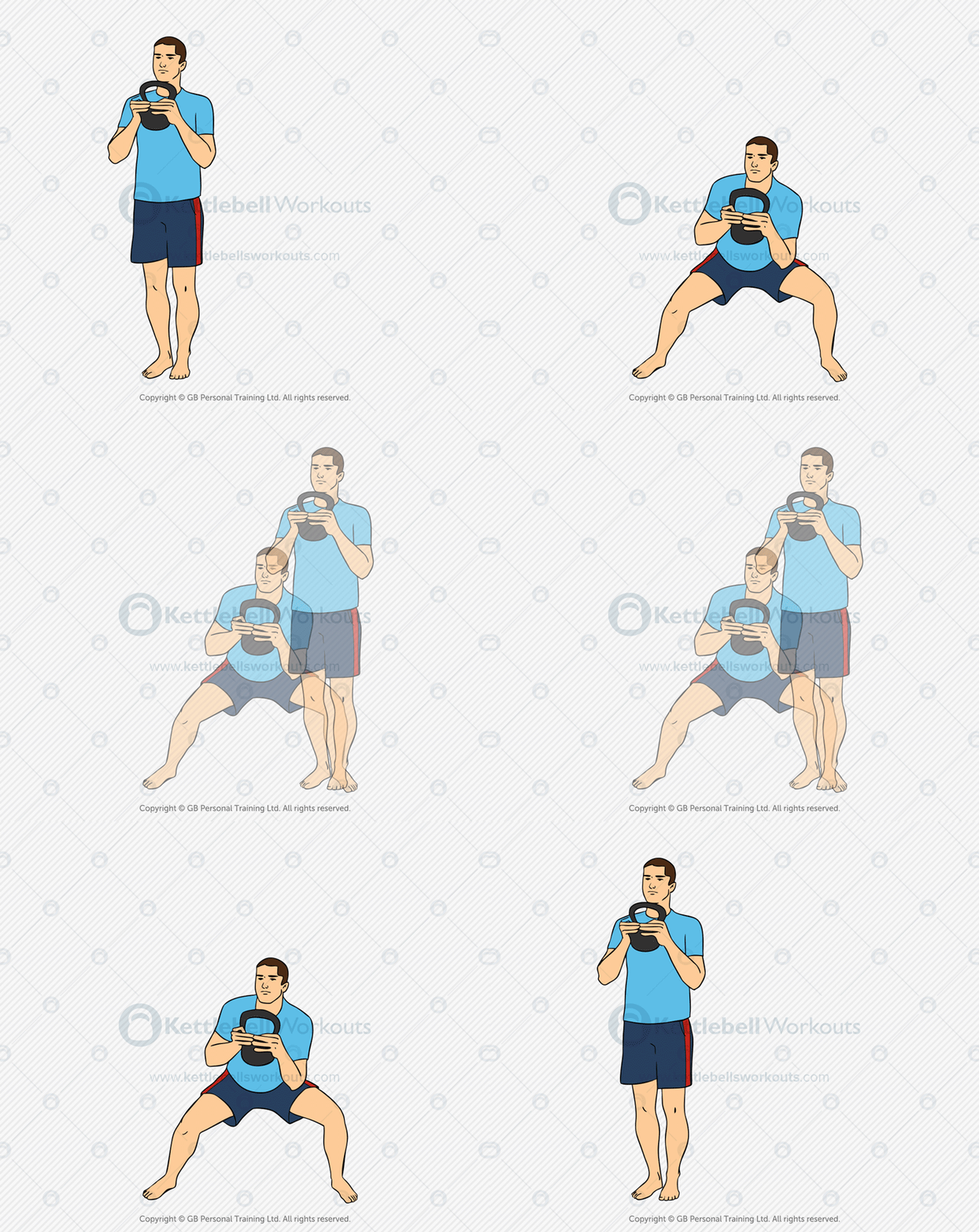
The kettlebell bob and weave is the first lateral leg exercise in this list and is a useful introduction to moving sideways.
Keep the chest up and the rib cage lifted. Take your time and gradually move deeper as the hips loosen and the legs warm up.
Work up to 20 alternating repetitions, gently increasing the depth as you go.
Kettlebell Side Lunge
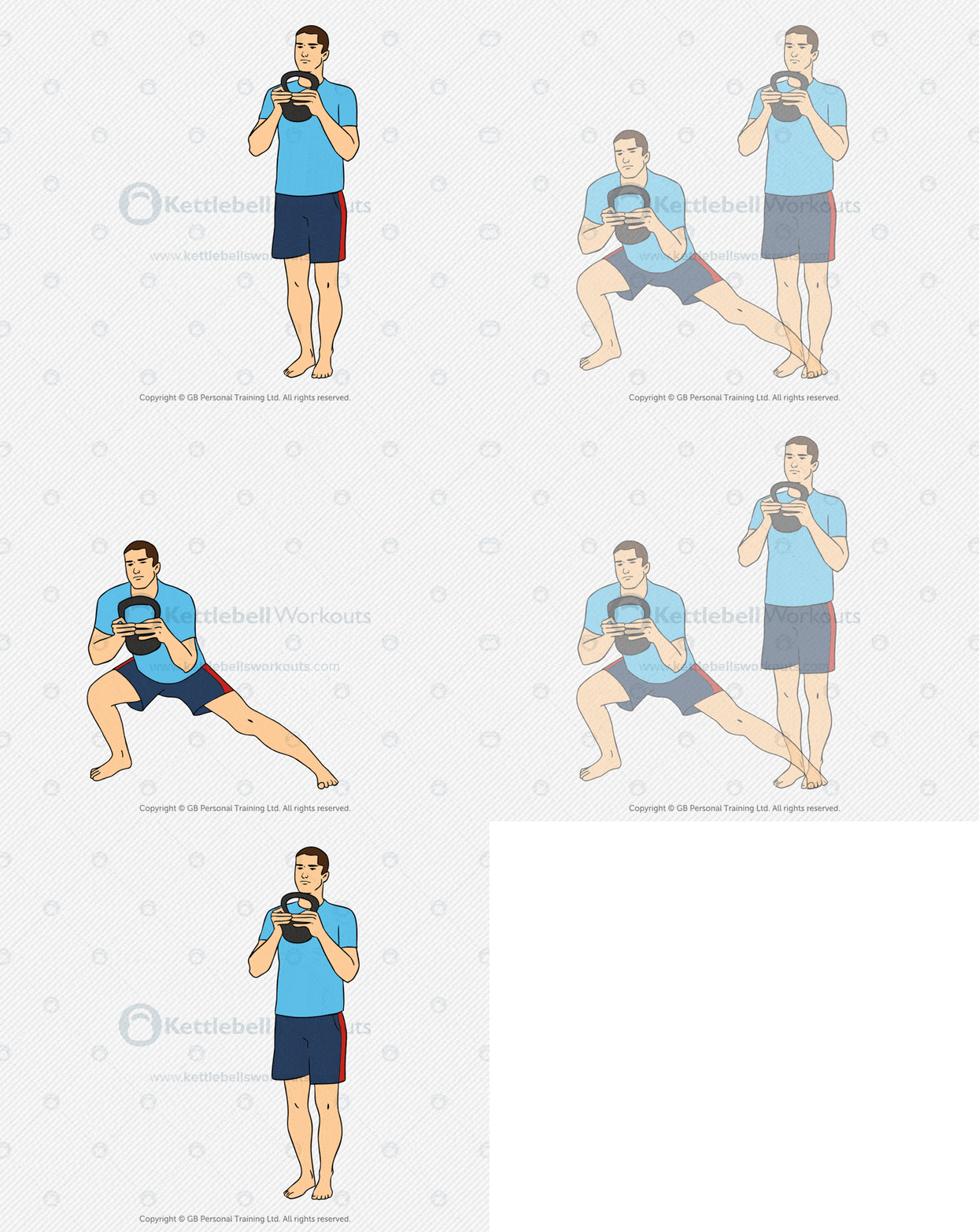
The kettlebell side lunge progresses from the bob and weave and provides a much stronger lateral challenge for the legs and hips.
Keep your weight back through the heels and work on increasing the depth without allowing the chest to collapse forwards.
Practice 5 repetitions on each side with control.
Kettlebell Pistol Squat
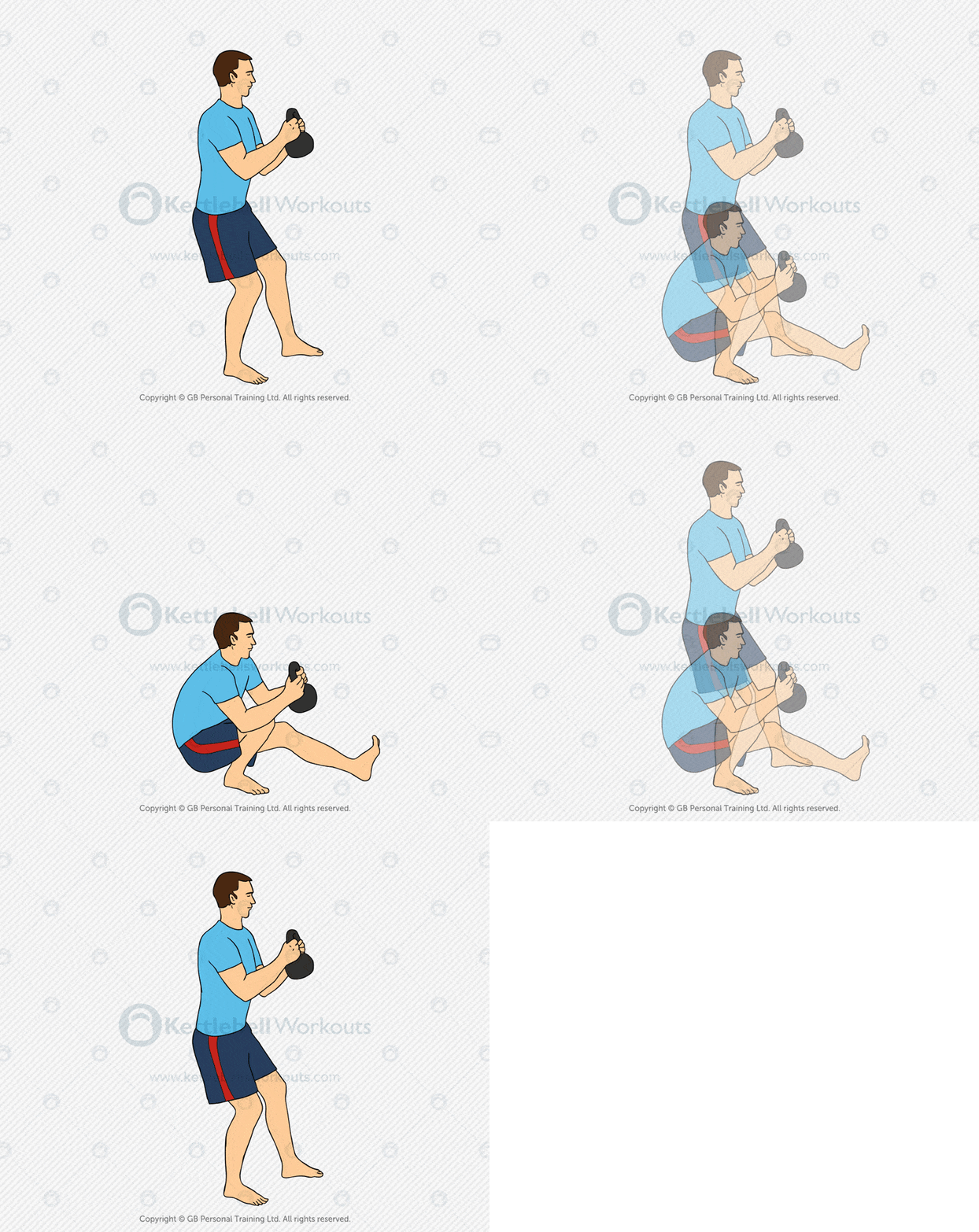
The kettlebell pistol squat is a true strength exercise that heavily challenges the quads, hamstrings and glutes as well as your balance and mobility.
Learn the pistol without a kettlebell first. Holding a door frame, post, band or suspension trainer can help while you develop the required control.
Begin with single or double repetitions before changing legs.
Kettlebell Lunge with Rotation
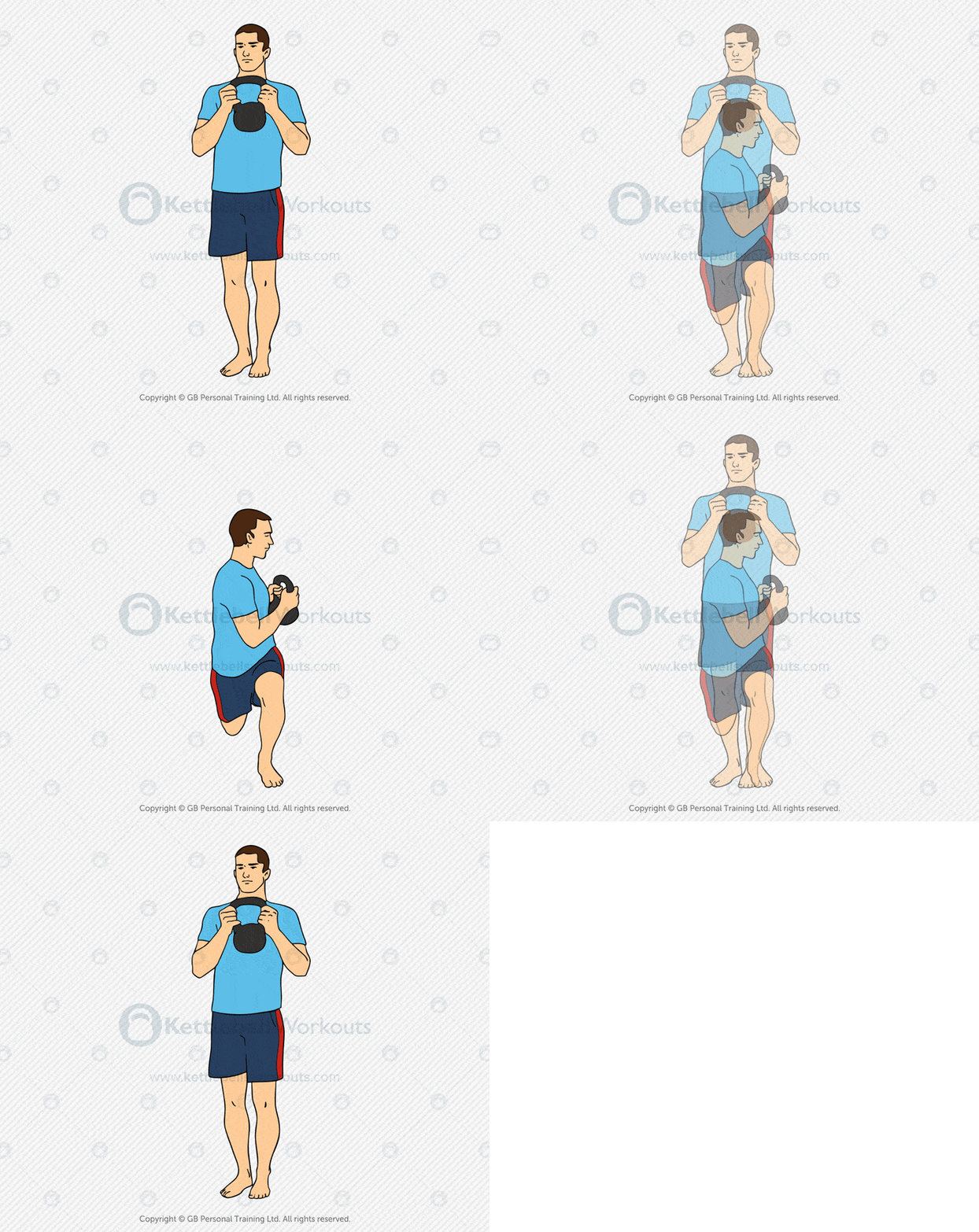
The kettlebell lunge with rotation adds a rotational challenge to the regular lunge.
The back knee stays suspended as you turn the upper body, which makes the exercise more demanding on the quads, glutes and core. Take your time and do not rush the rotation.
Practise by alternating sides as you lunge forwards with the opposite leg.
Kettlebell Double Lunge

The kettlebell double lunge is a serious leg burner.
Perform a forward lunge followed immediately by a reverse lunge without putting the foot down between movements. The continuous transition makes the exercise very cardiovascular as well as demanding on the legs.
One forward-and-back sequence counts as 1 repetition. Work up to 10 full repetitions on each side.
Full-Body Kettlebell Leg Exercises
These exercises combine the lower body with upper-body movements. They are more technically demanding and usually more cardiovascular, so master the individual movements before putting them together.
Kettlebell Clean and Press
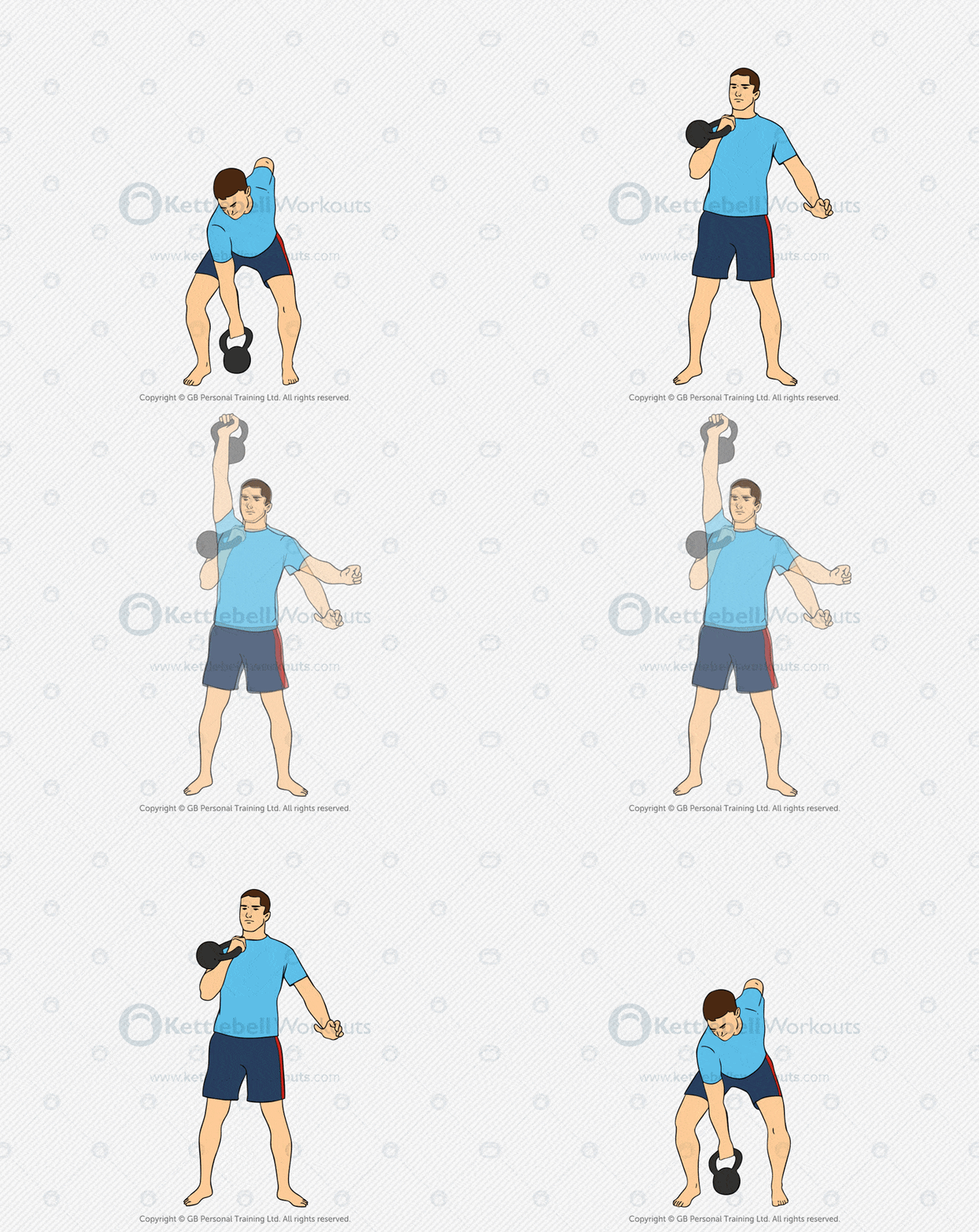
The kettlebell clean and press takes the kettlebell from the floor to overhead and connects the lower and upper body through the core.
Do not rush the transition from the rack into the overhead press. The legs and glutes do plenty of work during the clean, while the press limits how heavy you can go.
Practice 5–10 repetitions on each side.
Kettlebell Thruster

The kettlebell thruster is a very demanding full-body exercise. The legs work hard during the squat while the core, shoulders and cardiovascular system are challenged by the press.
Master the racked squat first. The momentum from standing out of the squat helps drive the kettlebell overhead.
Practice 10–15 repetitions on each side at a medium tempo.
Kettlebell Lunge and Press

The kettlebell lunge and press challenges the quads, hamstrings and glutes while also bringing in the core and shoulder.
Begin as you would with a regular reverse lunge. As you return to standing, drive the kettlebell overhead. Master the normal lunge before adding the press.
Practice 5–10 controlled repetitions on each side.
Kettlebell Snatch
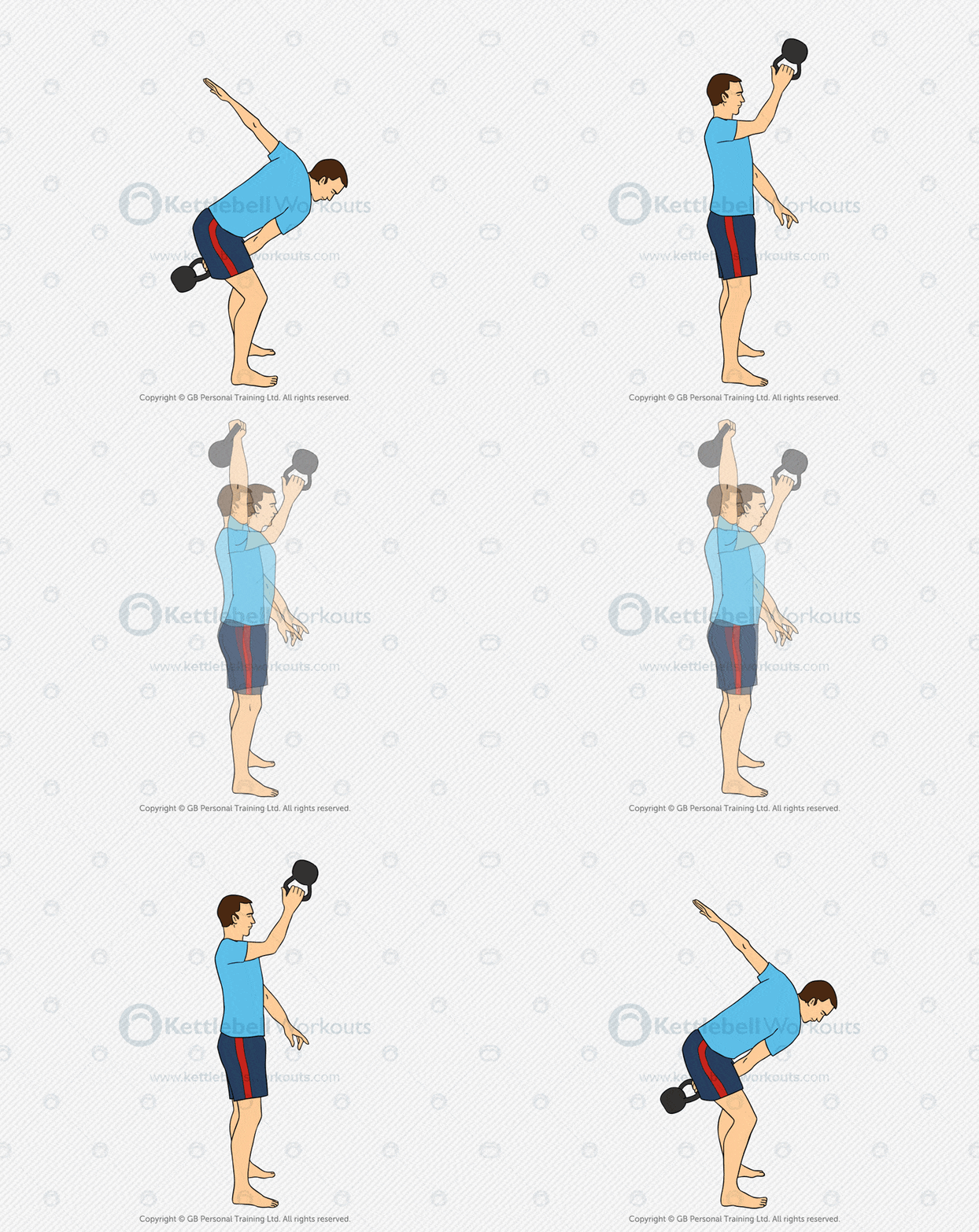
The kettlebell snatch is a big full-body movement that works the hamstrings and glutes while taking the kettlebell overhead.
Good timing is essential. A strong kettlebell swing and confidence with overhead pressing will make the snatch much easier to learn.
Work up to 10 repetitions before changing hands.
Double Kettlebell Leg Exercises
Using 2 kettlebells increases the load and the overall demand. These variations are best saved until you are comfortable with the equivalent single-kettlebell exercises.
Double Kettlebell Single Leg Deadlift

The double kettlebell single leg deadlift adds more load to the regular single-kettlebell version while balancing the load across the body.
Keep a slight bend in the working knee, maintain a flat back and control the hips throughout the movement.
Practice 5 repetitions on each leg with perfect form.
Double Kettlebell Lunge
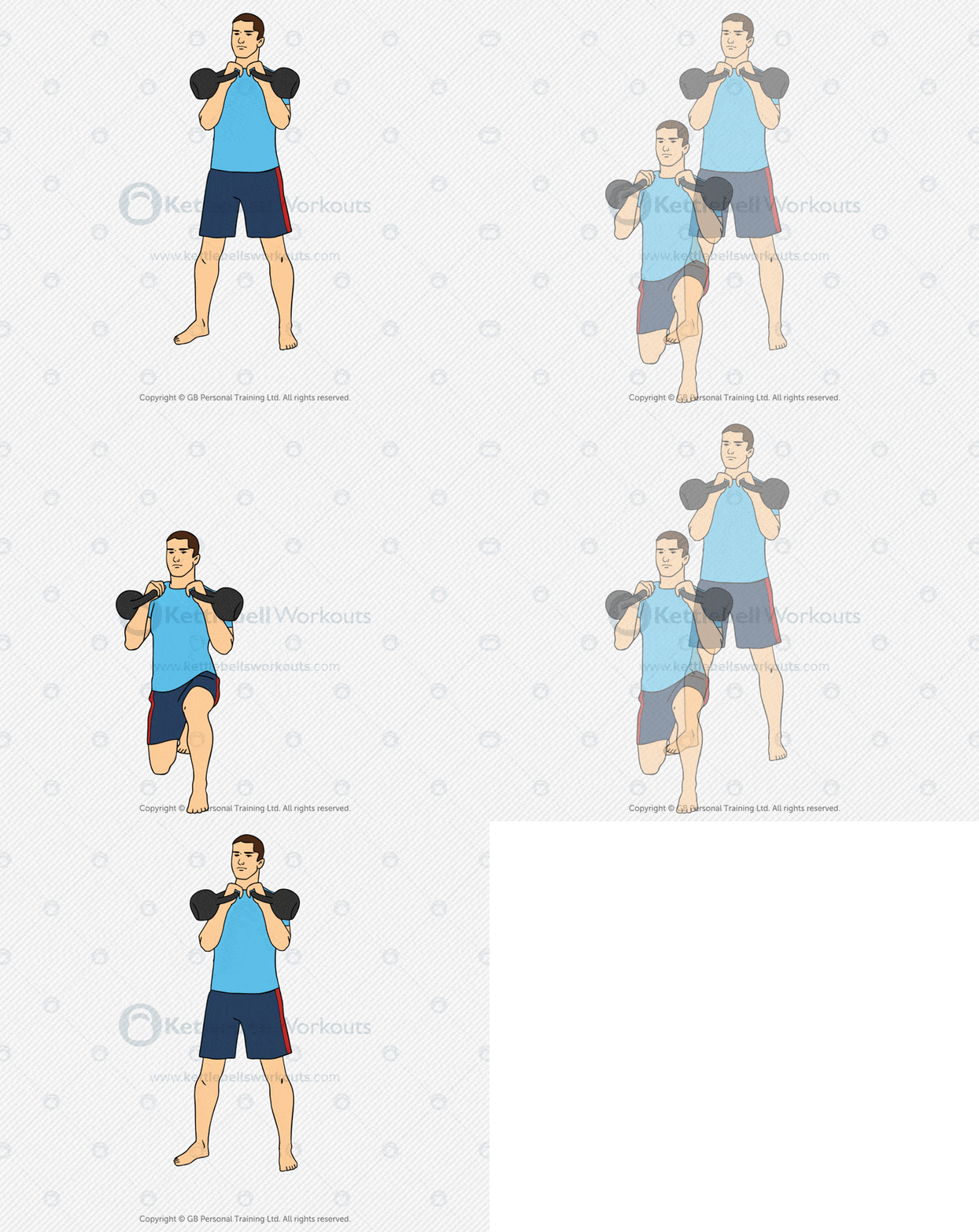
The double kettlebell lunge can be performed forwards or backwards, with the reverse lunge generally being the easier variation.
Hold the kettlebells either down by your sides or in the racked position. Lower the back knee carefully and work on achieving a comfortable, controlled depth.
Perform 8–12 repetitions on each leg.
Double Kettlebell Clean, Squat and Press
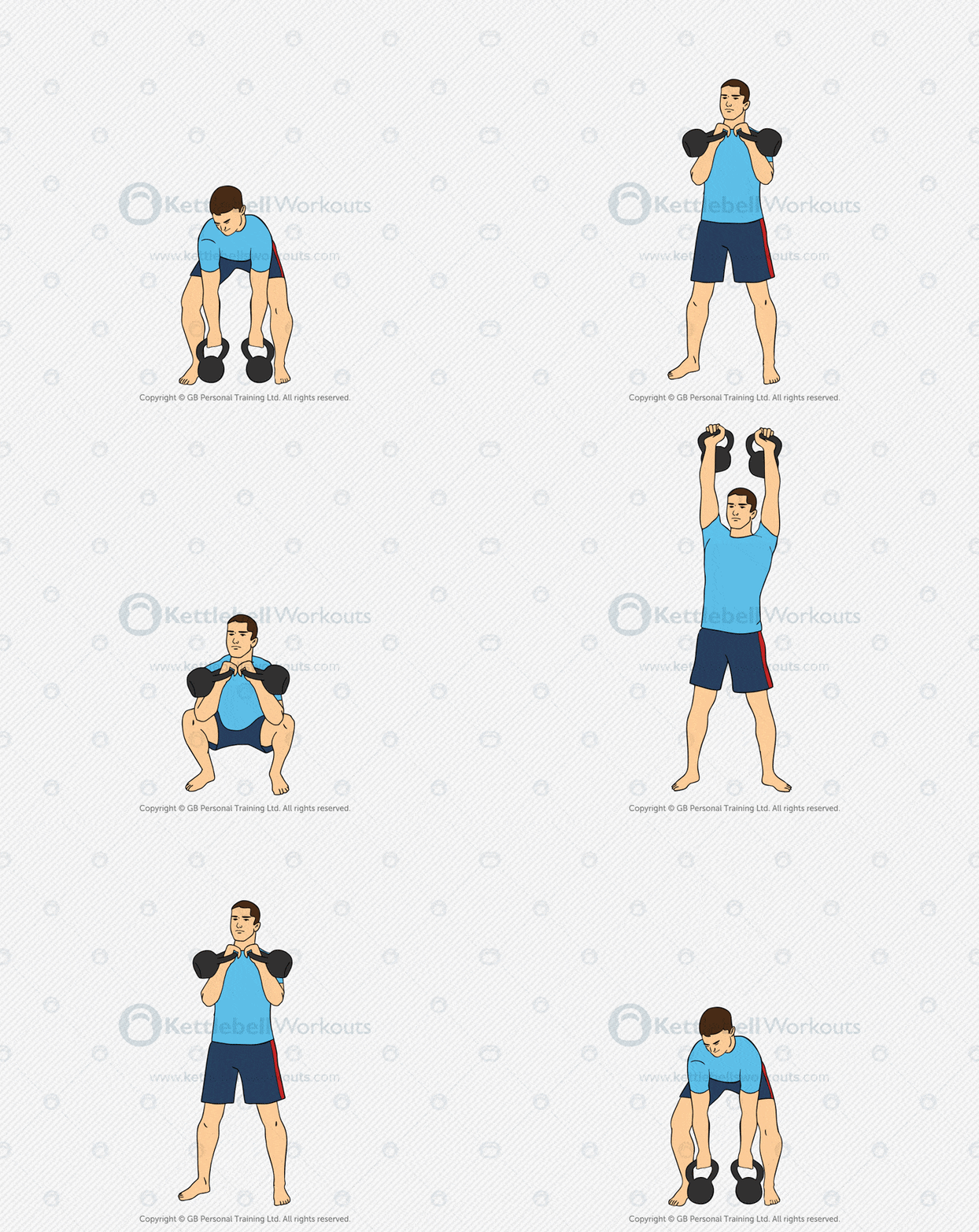
The double kettlebell clean, squat and press is a demanding full-body exercise that combines several movement patterns into one sequence.
Become comfortable with the exercise using one kettlebell before progressing to two. You can also use a push press rather than a strict press if appropriate.
Work up to 10 total repetitions before resting and repeating.
Double Kettlebell Alternating Clean

The double kettlebell alternating clean is fast and challenging and works the whole body.
Timing is everything. Use a slight knee bend during each clean and keep the movement smooth as the kettlebells alternate.
Work up to 20 total repetitions before resting and repeating.
How to Build a Kettlebell Leg Workout
Once you have a selection of exercises that you can perform well, you can put them together into a simple lower-body workout.
To keep the session balanced, select 1 exercise from each of these 3 groups:
Example kettlebell leg circuit:
Two Handed Swing → Goblet Squat → Lunge and Press
Perform the 3 exercises one after another, resting when necessary. You can use lower repetitions with a heavier kettlebell, for example around 6 reps, or higher repetitions with a lighter kettlebell, around 10–15 reps.
Repeat the same circuit for 2–4 rounds, or change the exercises on each round. The important point is to choose exercises that you can perform well rather than making the workout complicated simply for the sake of variety.
Putting Your Kettlebell Leg Training Together
These 21 exercises give you plenty of options for training the hamstrings, quads, glutes and the rest of the lower body.
Master the movement first and add load second. For most people, a small selection of exercises performed consistently will be more useful than trying to use all 21 at once.
For a complete exercise library covering the whole body, see my 52 kettlebell exercises. For complete sessions using these movements, see my 10 kettlebell workouts.
Frequently Asked Questions
Are kettlebell swings good for the legs?
Yes. The kettlebell swing is a hip-hinge exercise that places a strong emphasis on the posterior chain, particularly the hamstrings, glutes, back and hips.
What are the best kettlebell exercises?
That depends on your goals and your current ability. The kettlebell swing, goblet squat and Turkish get-up are all important movements, but you should choose exercises that match your experience and that you can perform with good technique.
Can you use kettlebells every day?
Recovery varies from person to person. How often you train should depend on the intensity of your sessions, the exercises you use and how well you have recovered from your previous workout.


This is really great learning experience and expanding knowledges! Thanks Greg!
Great article! Thank you so much, Greg! You have provided us with an extensive variety of kettlebell exercises which will take ages for some of us to perfect! I am adding this challenge to my new workout. I am always looking for a new work out, so thank you again, Greg.
Thanks for the info, I’m just starting so it’s quite helpful. Spoken instruction during the videos would be useful also!
Excellent information as always. Thank you so much for making it all simpler.