
Last Updated on 18 August 2026 by Greg Brookes

Kettlebells are useful because one compact piece of equipment can train strength, power, conditioning, grip and movement skill without needing much space.
That does not make kettlebells magical or automatically better than every other training tool. Their real advantage is versatility. You can squat, hinge, press, pull, carry and move dynamically with the same kettlebell, then adjust the exercise or load as your ability improves.
Below are the 7 kettlebell benefits I consider most useful after decades of coaching, followed by 5 foundational kettlebell exercises worth learning.
What Are Kettlebells Good For?
The key advantage is efficiency, not magic. Kettlebells let you train several physical qualities with very little equipment, but results still depend on good exercise selection, progressive overload, consistency and recovery.
7 Kettlebell Benefits
Efficient Full-Body Workouts
Many kettlebell exercises combine several joints and muscle groups in one movement. A clean and press, for example, involves the hips, legs, trunk, shoulders, arms and grip. That makes it possible to build useful full-body sessions without needing a long list of separate exercises.
Strength and Conditioning with One Tool
Kettlebells can be used for slower strength work or more dynamic conditioning. A heavy controlled squat or row creates a very different training effect from swings or a timed circuit, even though the same type of equipment is being used.
Excellent Hip-Hinge and Power Training
The kettlebell swing is particularly well suited to repeated hip extension. Once the hinge is technically sound, swings, cleans and snatches can develop the ability to produce force quickly through the hips.
Unilateral Strength and Trunk Control
Holding one kettlebell on one side changes the demands on the body. Single-arm presses, rows, carries and racked exercises make the trunk work to resist unwanted rotation or side bending while the working limb produces force.
Grip and Carrying Strength
The offset handle and frequent use of carries, cleans, swings and rows mean the hands and forearms are involved in almost every session. Grip development is therefore built naturally into kettlebell training rather than needing to be treated as a separate activity.
Very Little Equipment or Space Required
One kettlebell can provide a large number of exercise options and is easy to use at home. You still need enough clear space for the movement you are performing, especially swings and overhead exercises, but the equipment footprint is tiny compared with most gym setups.
Movement Variety, Mobility and Coordination
Exercises such as the Turkish Get Up and Windmill combine strength with controlled transitions, mobility and shoulder stability. Kettlebells also make it easy to move between bilateral, unilateral, standing, kneeling and floor-based positions.
What Kettlebells Are Not Automatically Better At
Kettlebells can support fat loss, muscle growth, cardiovascular fitness and mobility, but the kettlebell itself does not guarantee any of those outcomes.
Fat loss still depends heavily on overall energy balance. Muscle growth requires enough resistance, volume and progression. Cardiovascular improvement depends on how the session is programmed. Mobility improves when exercises expose you to appropriate, controllable ranges of motion.
This is why I prefer to describe kettlebells as versatile rather than superior to every other training method.
5 Kettlebell Exercises Worth Learning
There are dozens of kettlebell exercises, but these 5 demonstrate many of the qualities that make kettlebell training useful. They are not all beginner exercises. Learn them progressively and only move to the more technical options when the foundations are solid.
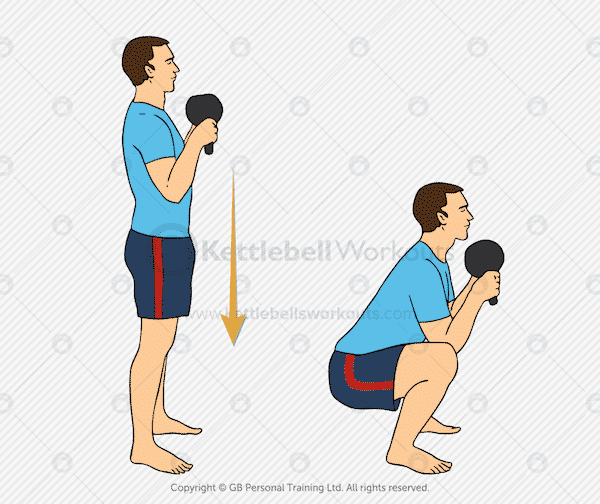
1. Kettlebell Goblet Squat
The goblet squat is one of the easiest ways to introduce loaded squatting. Holding the kettlebell in front of the chest provides a useful counterbalance while the legs, glutes and trunk work together.
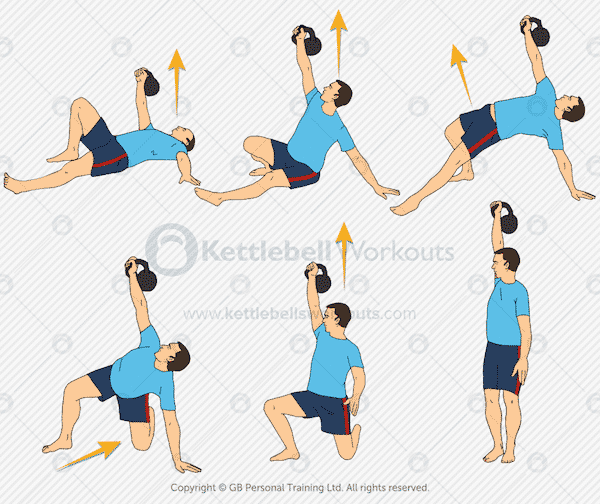
2. Kettlebell Turkish Get Up
The Turkish Get Up combines several positions into one long, controlled movement from the floor to standing and back down again. It is less about speed and more about coordination, shoulder stability and whole-body control.
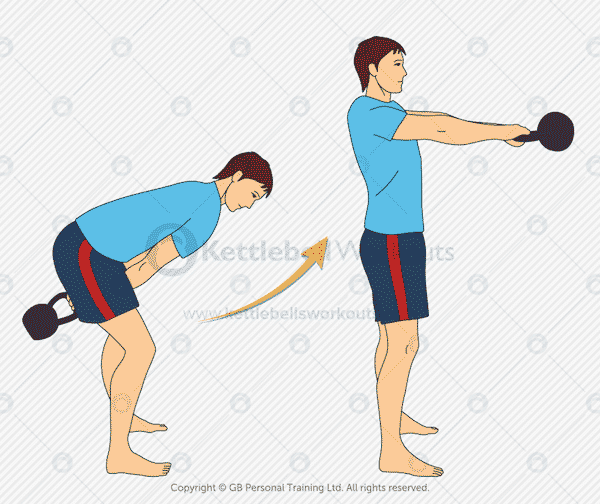
3. Kettlebell Swing
The swing is the signature kettlebell power exercise. The glutes and hamstrings drive the hip extension while the trunk, grip and upper back stabilise the movement.
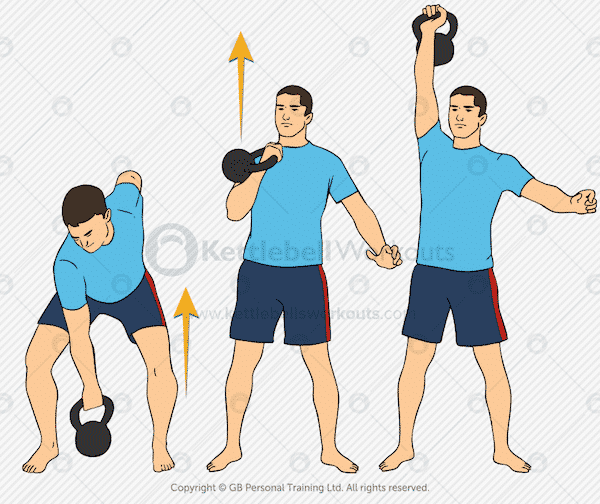
4. Kettlebell Clean and Press
The clean and press combines a hip-driven clean with an overhead press, linking lower-body power with upper-body strength in one movement.
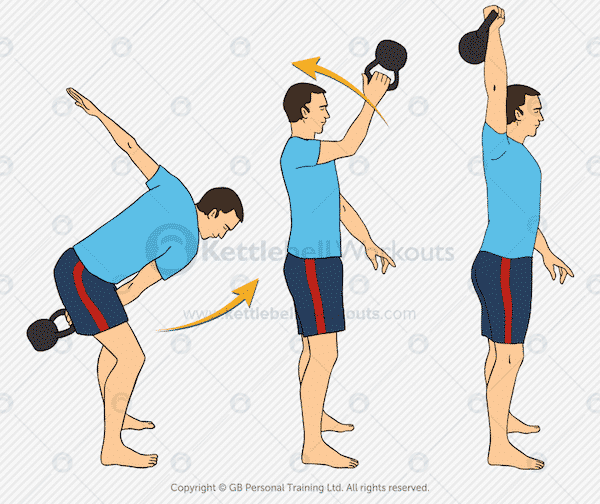
5. Kettlebell Snatch
The snatch takes the hip-driven mechanics of the swing and finishes with the kettlebell overhead. It is a fast, technical exercise that can build power and conditioning when the swing and clean are already well established.
Can You Train with Just One Kettlebell?
Yes, especially when you are getting started. You can build complete sessions around squats, deadlifts, rows, presses, carries and eventually swings with one kettlebell.
The limitation appears as you get stronger. A kettlebell that is challenging for your overhead press may be too light for your deadlift or squat. Over time, having access to several weights makes progressive overload much easier.
Who Benefits Most from Kettlebell Training?
Kettlebell Benefits FAQs
Are kettlebells good for beginners?
Yes, provided beginners start with simple movements such as the deadlift, goblet squat and basic press before progressing to faster exercises such as the swing or snatch.
Can kettlebells build muscle?
Yes. Kettlebells can build muscle when the exercises provide sufficient resistance and the programme includes progressive overload, enough training volume and appropriate recovery.
Are kettlebells good for cardio?
They can be. Swings, complexes and timed circuits can create a substantial cardiovascular demand. Whether a session improves aerobic or anaerobic fitness depends on exercise choice, load, work periods and recovery.
Are kettlebells good for weight loss?
Kettlebell training can contribute to the activity side of a weight-loss programme, but it does not bypass the importance of nutrition and overall energy balance.
What muscles do kettlebells work?
Kettlebells can train every major muscle group. Hinge exercises emphasise the glutes and hamstrings, squats and lunges train the legs, rows train the back and biceps, presses train the shoulders and triceps, and carries or get-ups strongly involve the trunk and grip.
How often should I train with kettlebells?
Frequency depends on the intensity and volume of each session. Short technique or mobility sessions can be performed more often than demanding full-body strength and conditioning workouts. Recovery and movement quality should guide the schedule.
Are Kettlebells Worth Using?
For most people who want a compact, versatile training tool, yes. A kettlebell can cover a remarkable amount of ground, from basic strength work to dynamic conditioning, unilateral loading and movement practice.
The best results come from learning a small number of movements well and progressing them gradually rather than collecting ever more complicated exercises.
Where to Go Next
New to kettlebells? Start with my Beginner’s Guide to Kettlebell Training. For the complete exercise library see 52 Kettlebell Exercises, or choose a session from my free kettlebell workouts.


Comments