
Last Updated on 17 August 2026 by Greg Brookes
A kettlebell HIIT workout combines short bursts of demanding kettlebell exercise with enough recovery to repeat the next interval with good technique and genuine intensity.
Kettlebells are particularly well suited to HIIT because exercises such as swings, high pulls and snatches use a lot of muscle mass and can raise your heart rate quickly. But simply performing kettlebell exercises against a timer does not automatically make a session HIIT.
The goal is to keep the work intervals hard, the exercise selection appropriate, and the recovery long enough that your movement quality does not collapse as the workout progresses.
What Is Kettlebell HIIT?
Kettlebell HIIT is high-intensity interval training performed with kettlebell exercises. You alternate short periods of hard work with recovery, usually for a relatively short total workout. The defining feature is the intensity of the work interval, not a particular work-to-rest ratio.
Kettlebell HIIT vs Interval Training
HIIT sits inside the broader category of interval training. All HIIT uses intervals, but not every interval workout is genuinely high intensity.
If you want to explore work-to-rest ratios such as 30/30, 40/20, 45/15 and longer recovery strategies, see my Kettlebell Interval Workouts guide.
Benefits of Kettlebell HIIT Workouts
When programmed appropriately, kettlebell HIIT can be a time-efficient way to develop conditioning while still using resistance-based movements.
- Raises heart rate quickly using full-body exercises
- Develops cardiovascular and muscular endurance together
- Improves your ability to repeat powerful efforts under fatigue
- Requires only 1 kettlebell for many effective workouts
- Can be completed in a relatively short training window
HIIT can also support fat-loss goals by increasing overall training demand, but fat loss still depends primarily on your total energy balance, nutrition and consistency rather than any single workout format.
6 of the Best Kettlebell HIIT Exercises
The best kettlebell HIIT exercises use large amounts of muscle, are easy to repeat rhythmically and do not require complicated transitions when you are tired. You should already be technically comfortable with an exercise before using it for high-intensity work.
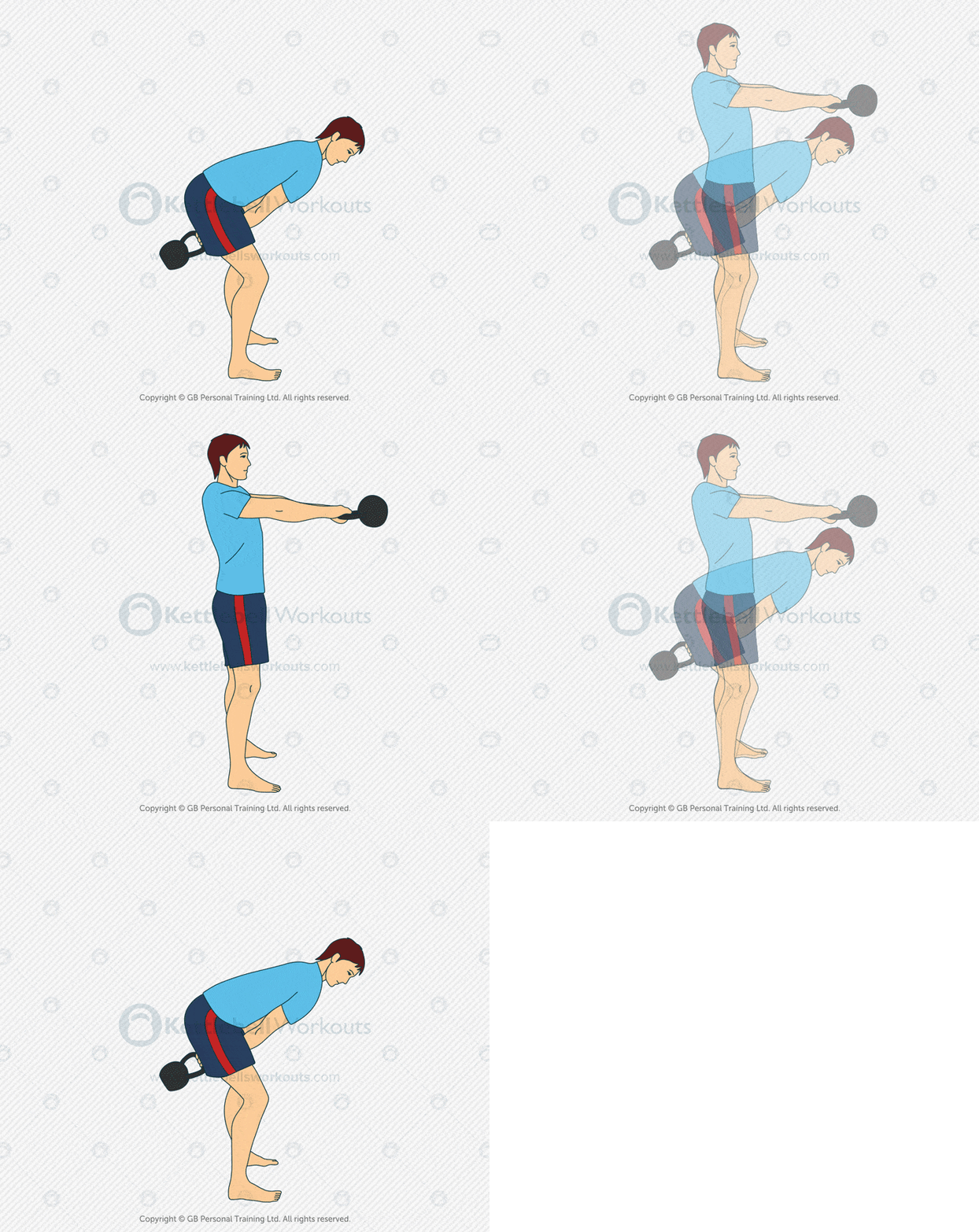
1. Two-Handed Swing
The swing is my first choice for many kettlebell HIIT workouts. It is cyclical, powerful and relatively simple once your hip hinge is established.
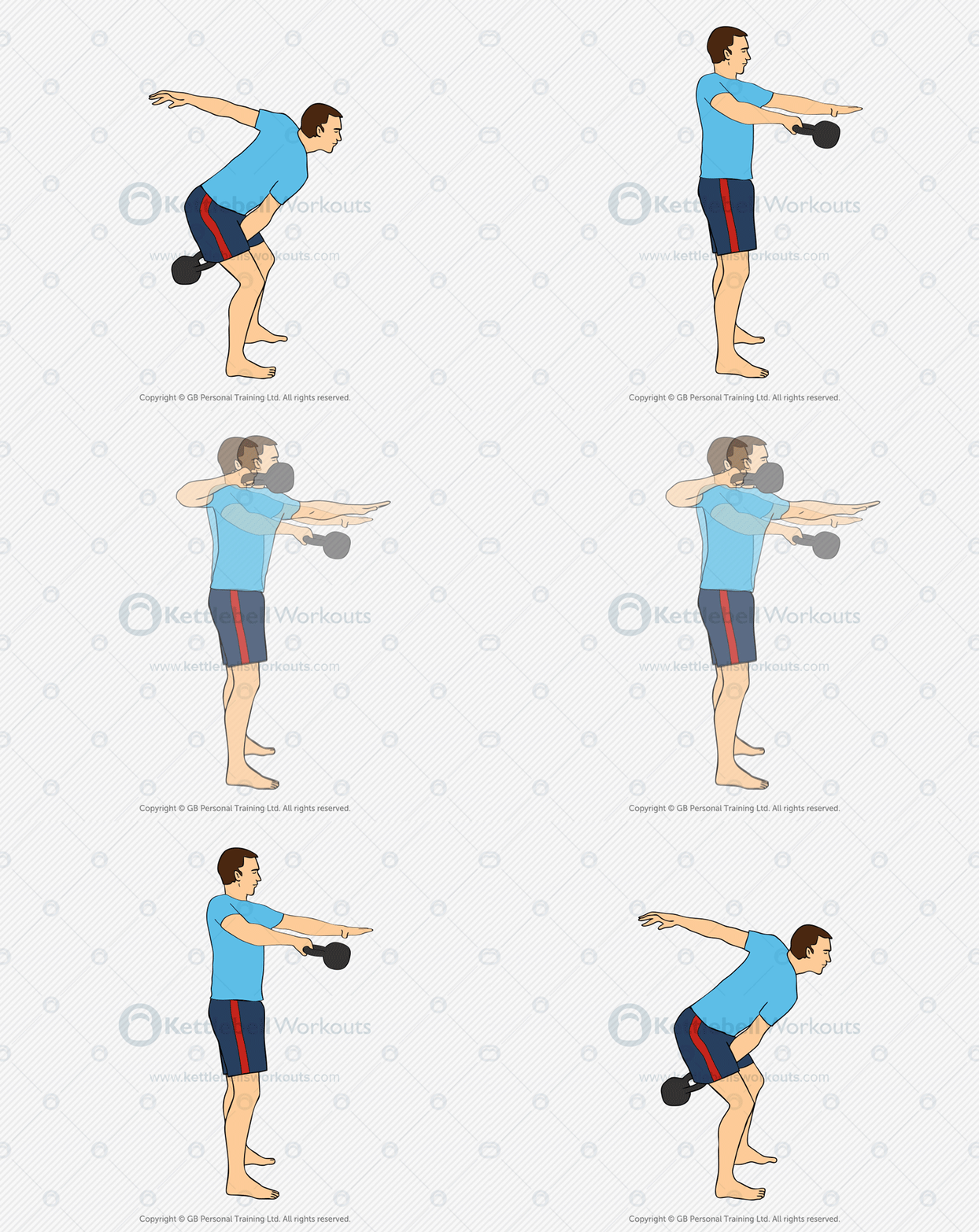
2. High Pull
The high pull adds an upper-body pulling action to the swing pattern and is excellent for short, explosive intervals.
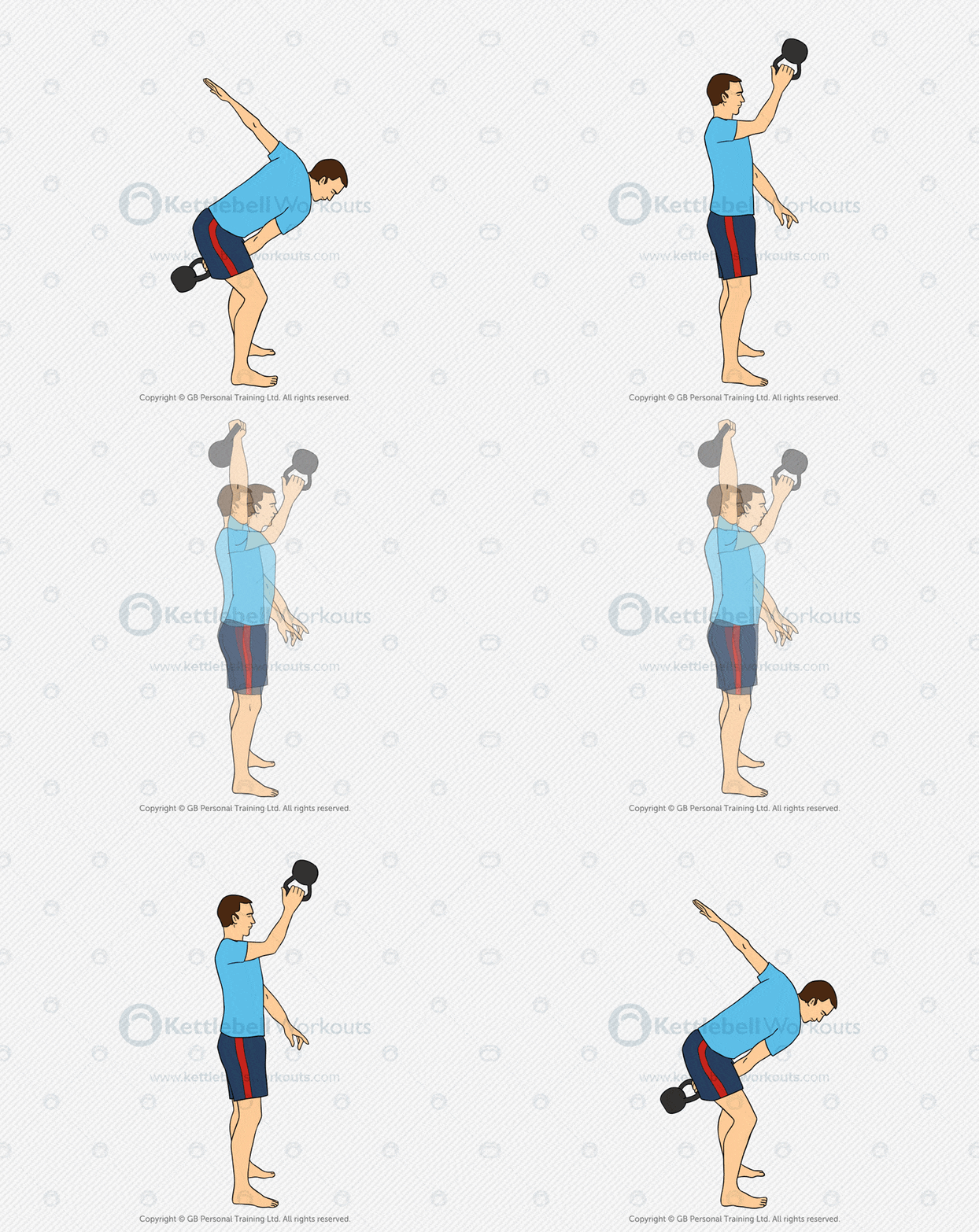
3. Snatch
The snatch is one of the most demanding ballistic kettlebell exercises. Use it for HIIT only after your swing, clean and overhead control are well established.

4. Thruster
The thruster combines a squat with an overhead drive. It creates a lot of whole-body demand, so keep the intervals shorter and the kettlebell manageable.
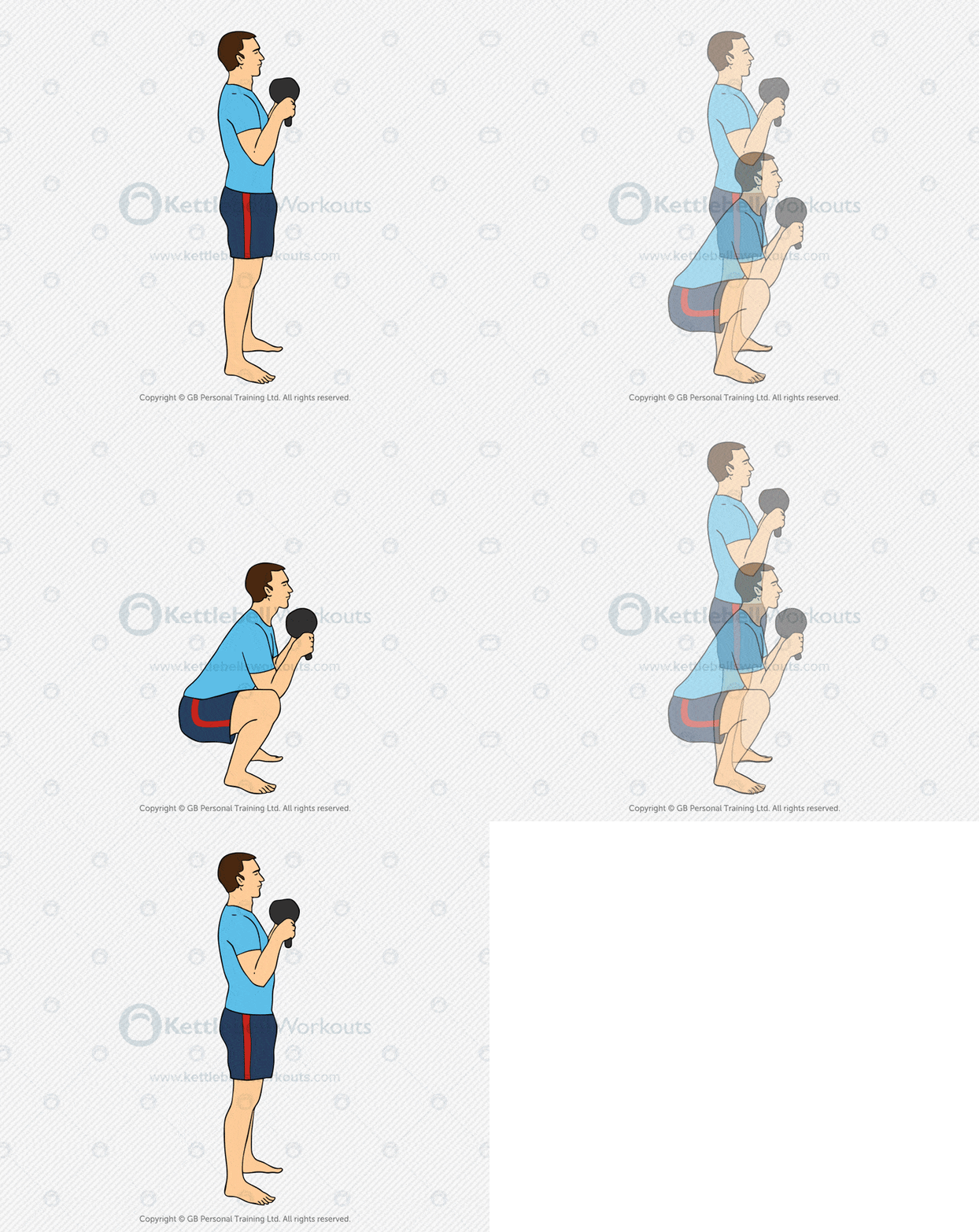
5. Goblet Squat
The goblet squat is useful when you want a simpler knee-dominant movement between more ballistic exercises. Keep the movement smooth rather than racing the repetitions.

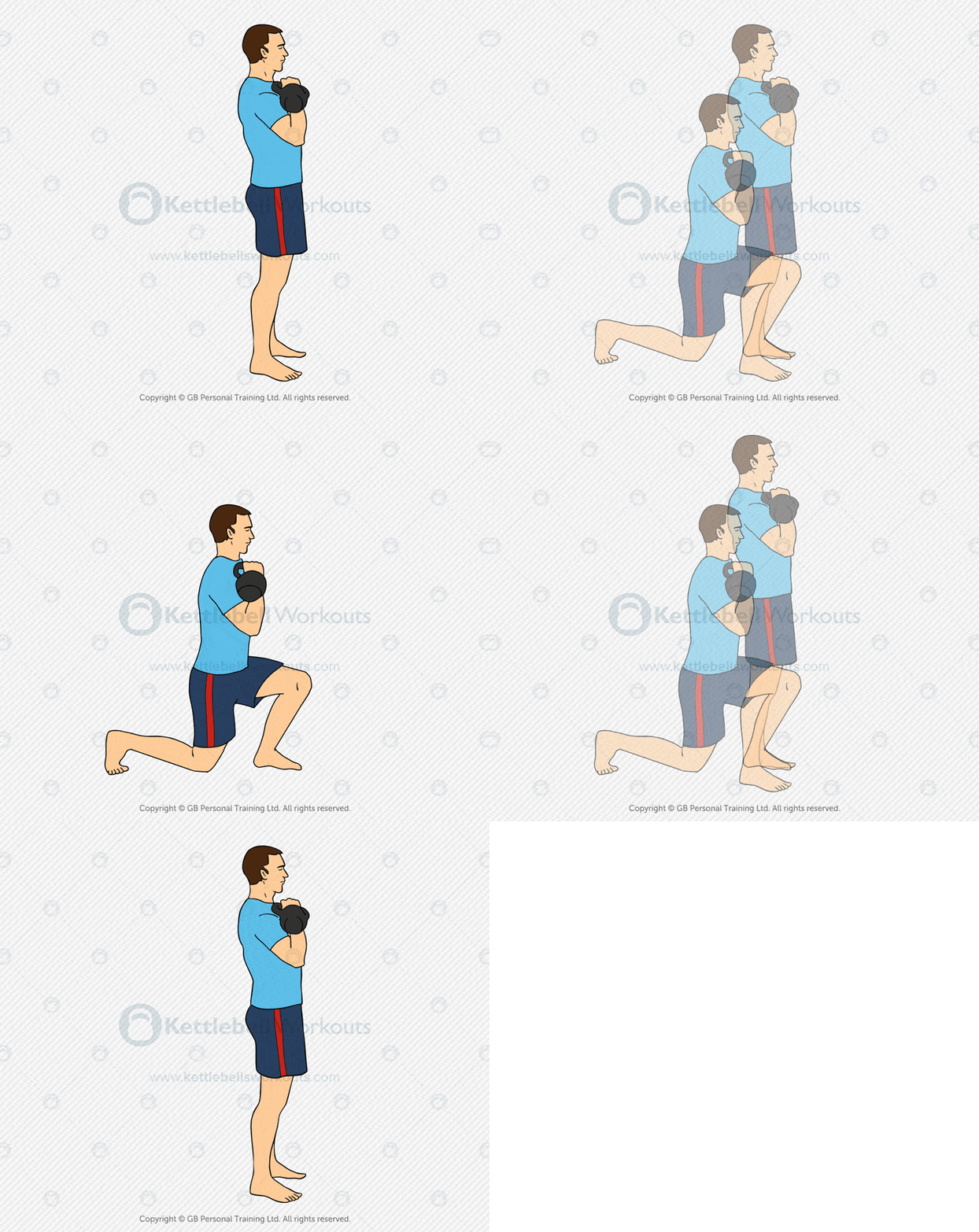
6. Lunge and Press
This combination challenges the legs, trunk and shoulders together. It is better suited to experienced kettlebell users because fatigue can quickly expose weaknesses in balance and overhead control.
How to Structure a Kettlebell HIIT Workout
Before starting, use a short kettlebell warm-up and practise any exercise you intend to include. HIIT is for applying movements you already own, not learning new skills under fatigue.
3 Kettlebell HIIT Workouts
These workouts progress from a simple swing-based session to more demanding multi-exercise options. Adjust the kettlebell weight, work period and recovery to your current level.
1. Kettlebell Swing HIIT Workout
This is the simplest place to begin because you only need to manage 1 exercise.
Use a comfortable two-handed swing and stop each interval while your repetitions are still crisp. If 20 seconds becomes untidy, shorten the work period rather than forcing the full interval.
2. Full-Body Kettlebell HIIT
Complete 3 to 4 rounds. For the high pull, change sides halfway through the work interval or alternate the working arm by round.
3. Explosive Kettlebell HIIT Workout
That gives you 9 work intervals in total. Change sides between rounds where appropriate. This is only for people who can already perform all 3 movements confidently when fresh.

Kettlebell HIIT Programming Tips
Use a Weight You Can Control at Speed
The kettlebell should challenge you without changing the mechanics of the exercise. The correct load for a snatch interval may be very different from the load you would use for goblet squats or slower strength work.
Do Not Chase Fatigue
HIIT should be demanding, but exhaustion is not the objective. If the last half of every interval becomes slow and technically poor, either reduce the work period, increase the rest or use a lighter kettlebell.
Build Recovery Around the Hard Sessions
High-intensity training creates more fatigue than moderate conditioning. How often you use it should depend on your training age, recovery, strength work and other activity rather than following a fixed weekly number.
Use Simpler Exercises as Fatigue Increases
Swings are generally easier to repeat safely than complex overhead combinations. When in doubt, simplify the exercise rather than adding more movements just to make the workout look harder.
Where HIIT Fits Among Other Kettlebell Formats
HIIT is only one way to organise kettlebell training. Use it when you specifically want short, demanding conditioning work. For general interval programming, longer conditioning, strength endurance or pacing practice, another format may be more suitable.
Frequently Asked Questions
What is the best kettlebell HIIT workout?
For most people, a simple swing interval workout is the best starting point. Try 20 seconds of controlled two-handed swings followed by 40 seconds of rest for up to 10 rounds, adjusting the work and recovery as needed.
Can kettlebell HIIT help with fat loss?
Kettlebell HIIT can contribute to fat loss by adding demanding physical activity to your week, but your overall calorie balance, nutrition and consistency remain more important than the workout format itself.
Can beginners do kettlebell HIIT?
Yes, provided the exercises are already technically comfortable. Beginners should start with simple movements, short work periods and generous recovery rather than advanced snatches, thrusters or complicated circuits.
Is kettlebell HIIT the same as Tabata?
No. Tabata uses a specific 20 seconds work and 10 seconds rest structure. HIIT can use many different work-to-rest ratios, provided the work periods are genuinely high intensity for the individual.
How long should a kettlebell HIIT workout last?
There is no fixed duration. A focused session can be short because the work intervals are demanding. Stop when you can no longer maintain the intended intensity and good kettlebell technique.
What kettlebell exercises are best for HIIT?
Swings, high pulls and snatches are particularly effective because they are rhythmic and ballistic. Thrusters, goblet squats and lunge-and-press variations can also work well when they match your skill level.
Comments