
Last Updated on 7 August 2026 by Greg Brookes

Kettlebells can build a very strong back, but not every exercise trains the back in the same way.
Some movements, such as the bent-over row, directly challenge the lats, rhomboids and mid-back. Others, including deadlifts and swings, ask the muscles around the spine to stabilise the torso while the hips produce the force.
That distinction matters. If you simply collect exercises that happen to make your back feel tired, you can easily miss the movement patterns that actually need training.
Below I have kept the 10 kettlebell back exercises I have used on this page for years, but I have organised them by what they are genuinely best at. You will also find 3 simple workouts so you can put the exercises into practice.
How Kettlebells Train the Back
I find it more useful to think in terms of movement patterns than individual muscles. Most kettlebell exercises train the back in one of three ways.
| Exercise | Main Back Training Role | Level | Best For |
|---|---|---|---|
| Kettlebell Halo | Upper-back and shoulder-girdle control | Beginner | Preparation and mobility |
| Single Arm Deadlift | Posterior-chain stability | Beginner | Learning the hip hinge |
| Single Leg Deadlift | Posterior chain + anti-rotation | Intermediate | Balance and unilateral strength |
| Two Handed Swing | Dynamic posterior-chain stability | Intermediate | Power and conditioning |
| Bent Over Row | Horizontal pull | Beginner to intermediate | Direct back strength |
| Kettlebell Clean | Dynamic upper-back stability | Intermediate | Power and rack-position strength |
| Kettlebell High Pull | Explosive pull | Advanced | Upper-back power and conditioning |
| Bob and Weave | Lateral trunk control | Intermediate | Mobility and movement |
| Kettlebell Snatch | Full-body posterior-chain power | Advanced | Power and conditioning |
| Renegade Row | Horizontal pull + anti-rotation | Advanced | Upper back and core |
10 Kettlebell Back Exercises
The exercises are not ranked from “best” to “worst”. They progress from easier foundational movements towards more demanding ballistic and stability exercises.
Kettlebell Halo

The halo is not a heavy back-strength exercise, but it is an excellent way to prepare the upper back and shoulder girdle before pulling or overhead work.
Move slowly around the head, keep the ribs down and avoid forcing the kettlebell through a range your shoulders do not comfortably own.
Practice: 5 controlled circles in each direction.
Kettlebell Single Arm Deadlift
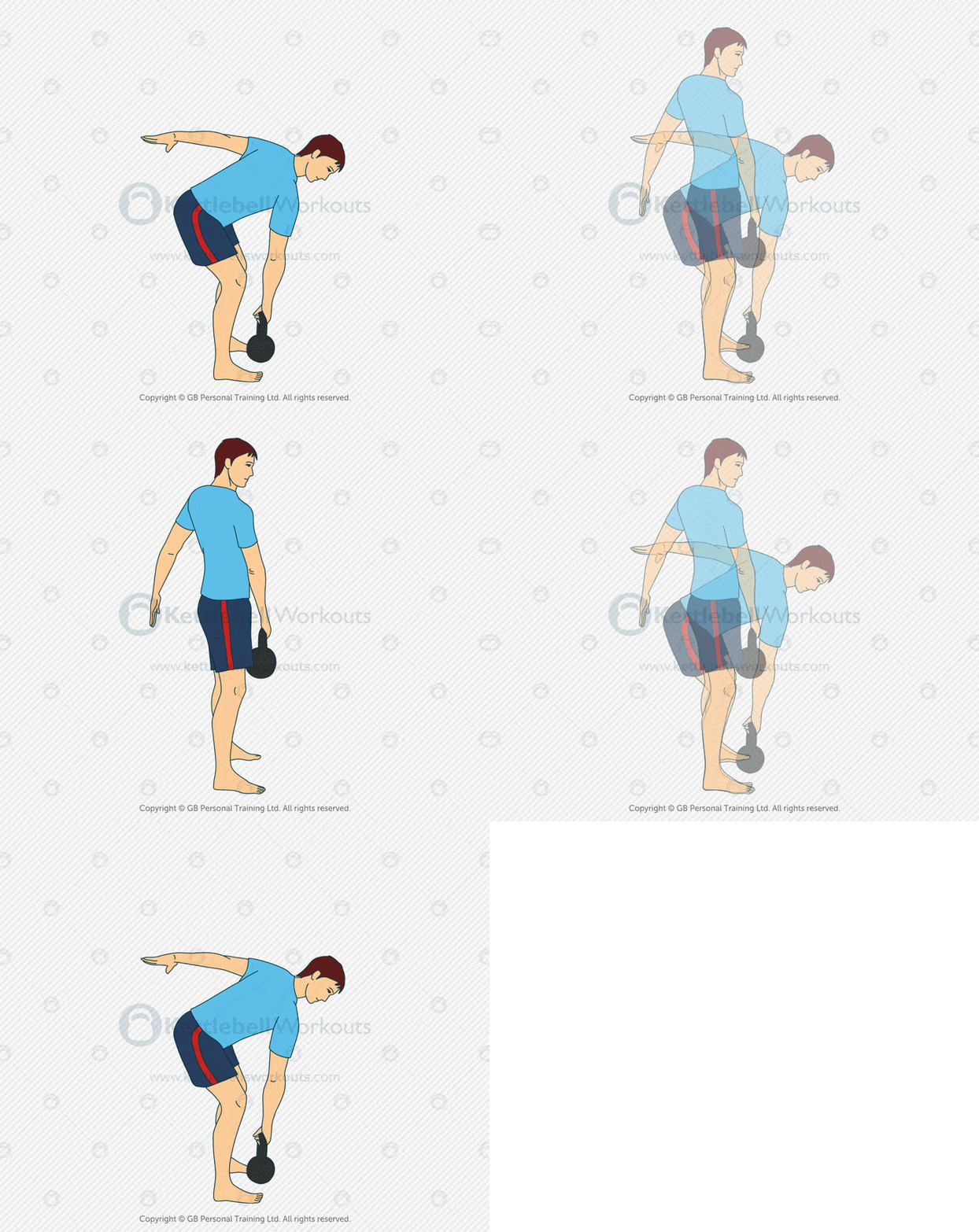
The single arm deadlift is one of the best places to begin because it teaches you to hinge at the hips while keeping the spine controlled.
The glutes and hamstrings create most of the movement. The muscles of the back work hard to maintain trunk position and resist the uneven pull from the kettlebell.
Practice: 8 to 12 repetitions on each side.
Kettlebell Single Leg Deadlift
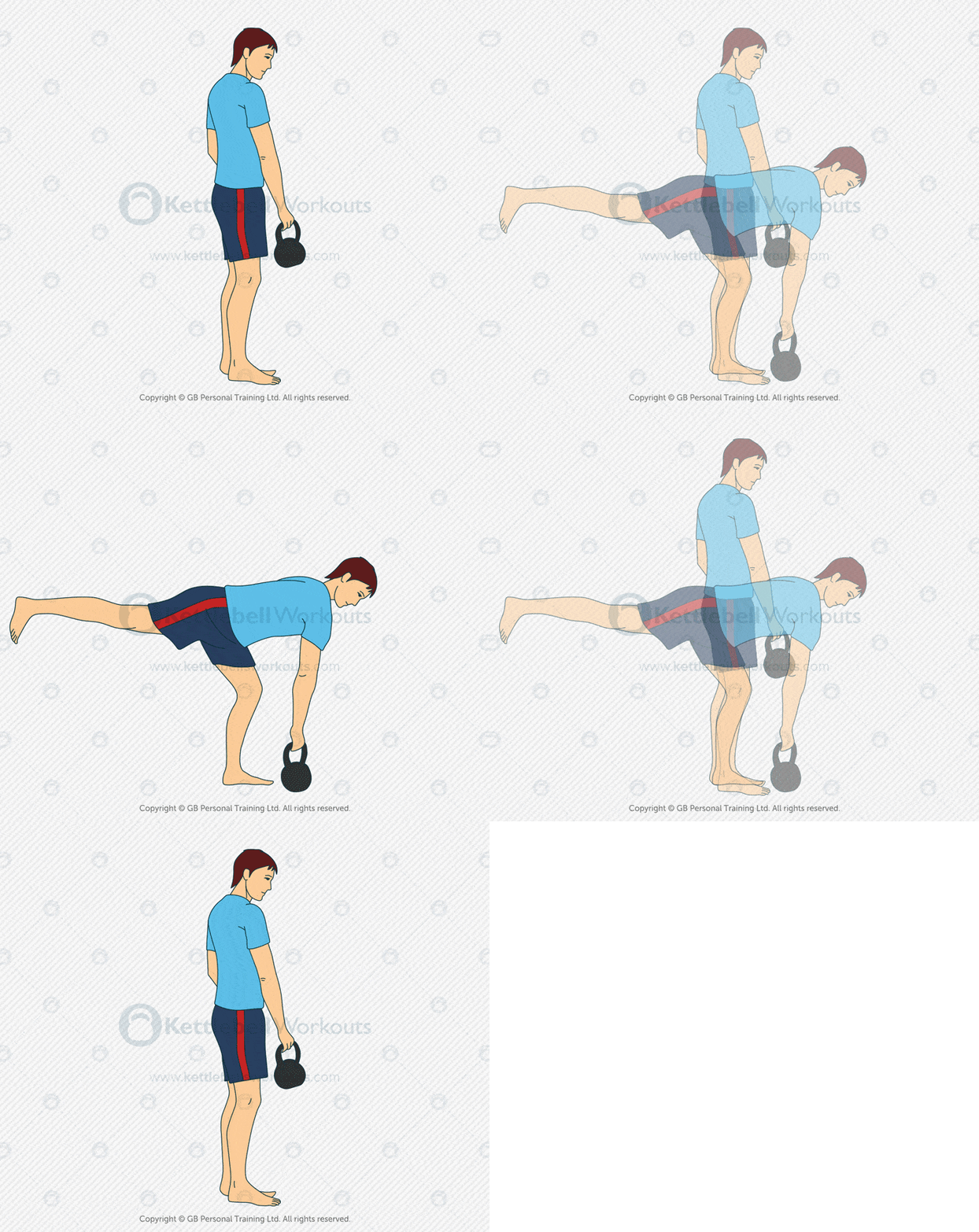
The single leg deadlift increases the stability challenge while still using the same hip-hinge pattern.
Hold the kettlebell in the opposite hand to the standing leg, keep the hips square and allow the back leg to travel behind you as the torso tips forwards.
Practice: 5 to 8 slow repetitions on each side.
Two Handed Kettlebell Swing
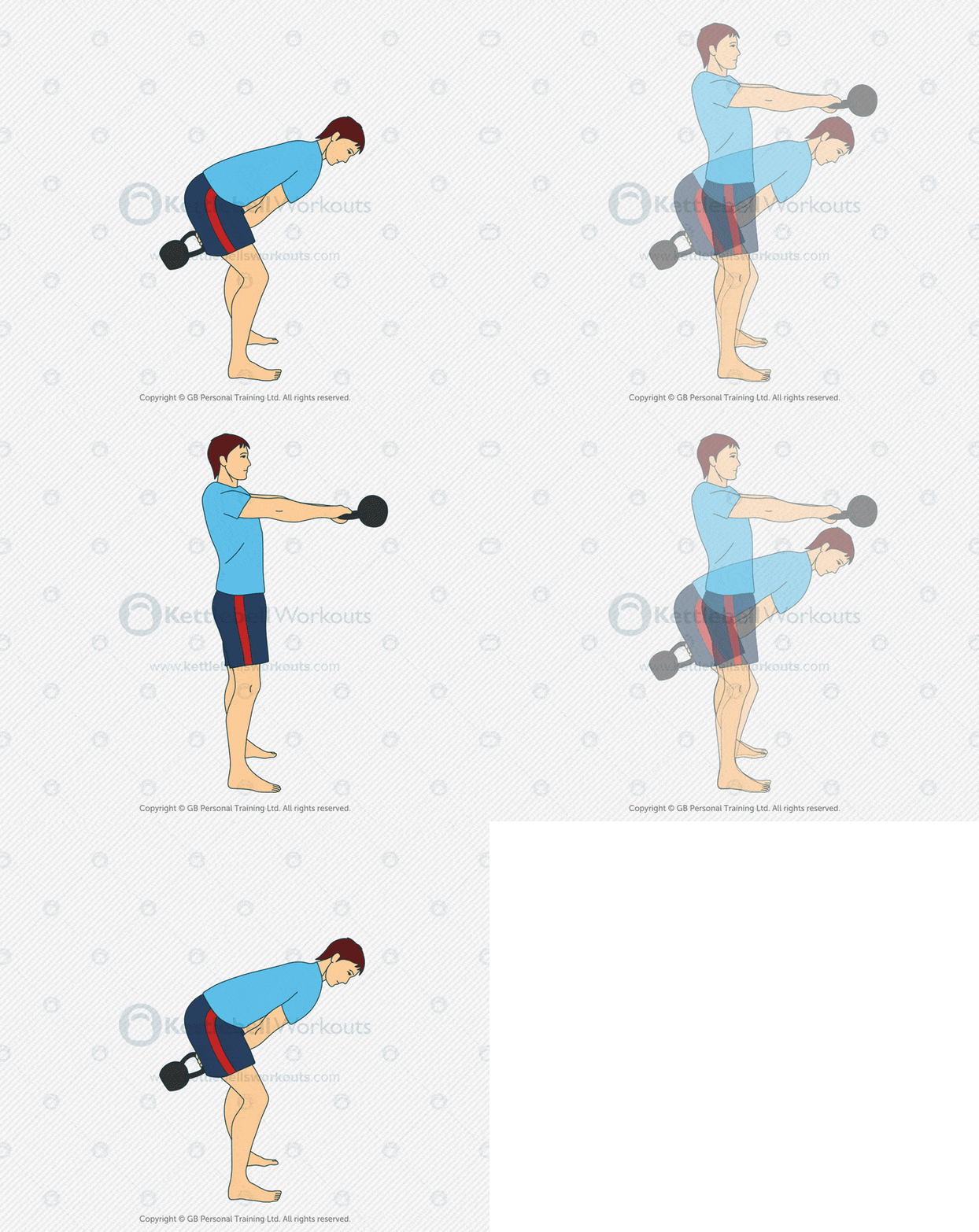
The swing takes the hip hinge you learned with the deadlift and makes it explosive.
Your hips should drive the kettlebell forwards. The back and core brace to transfer that force rather than creating the movement themselves. If your lower back is doing most of the work, revisit your hinge and kettlebell weight.
Practice: begin with sets of 10 and gradually build towards 20 good repetitions.
Kettlebell Bent Over Row
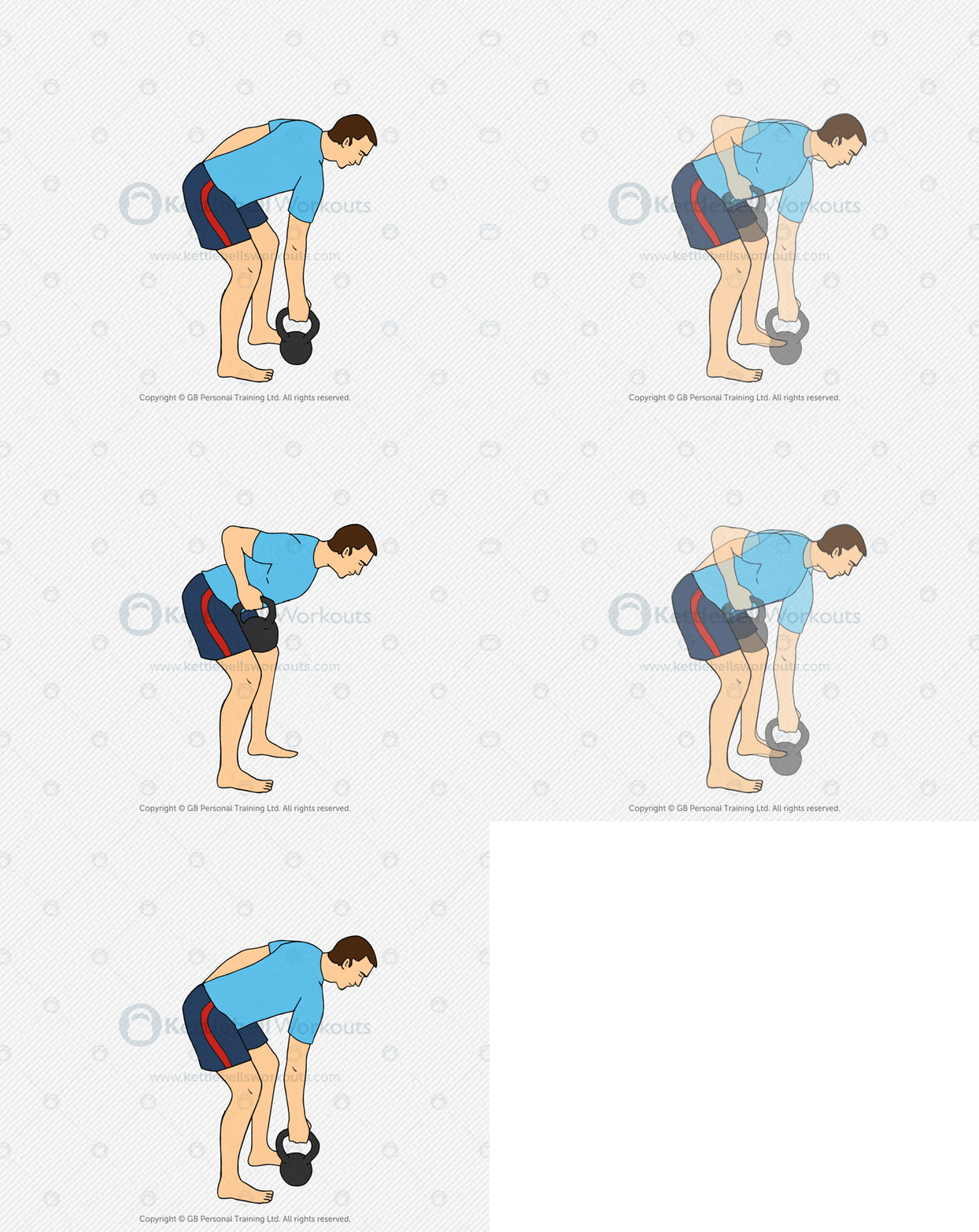
If your main goal is direct back strength, the bent-over row is one of the most useful exercises on this page.
Hinge at the hips, brace the trunk and pull the kettlebell towards the hip. Keep the neck long and avoid twisting the torso simply to make the kettlebell travel further.
Practice: 6 to 12 controlled repetitions on each side.

Kettlebell Clean
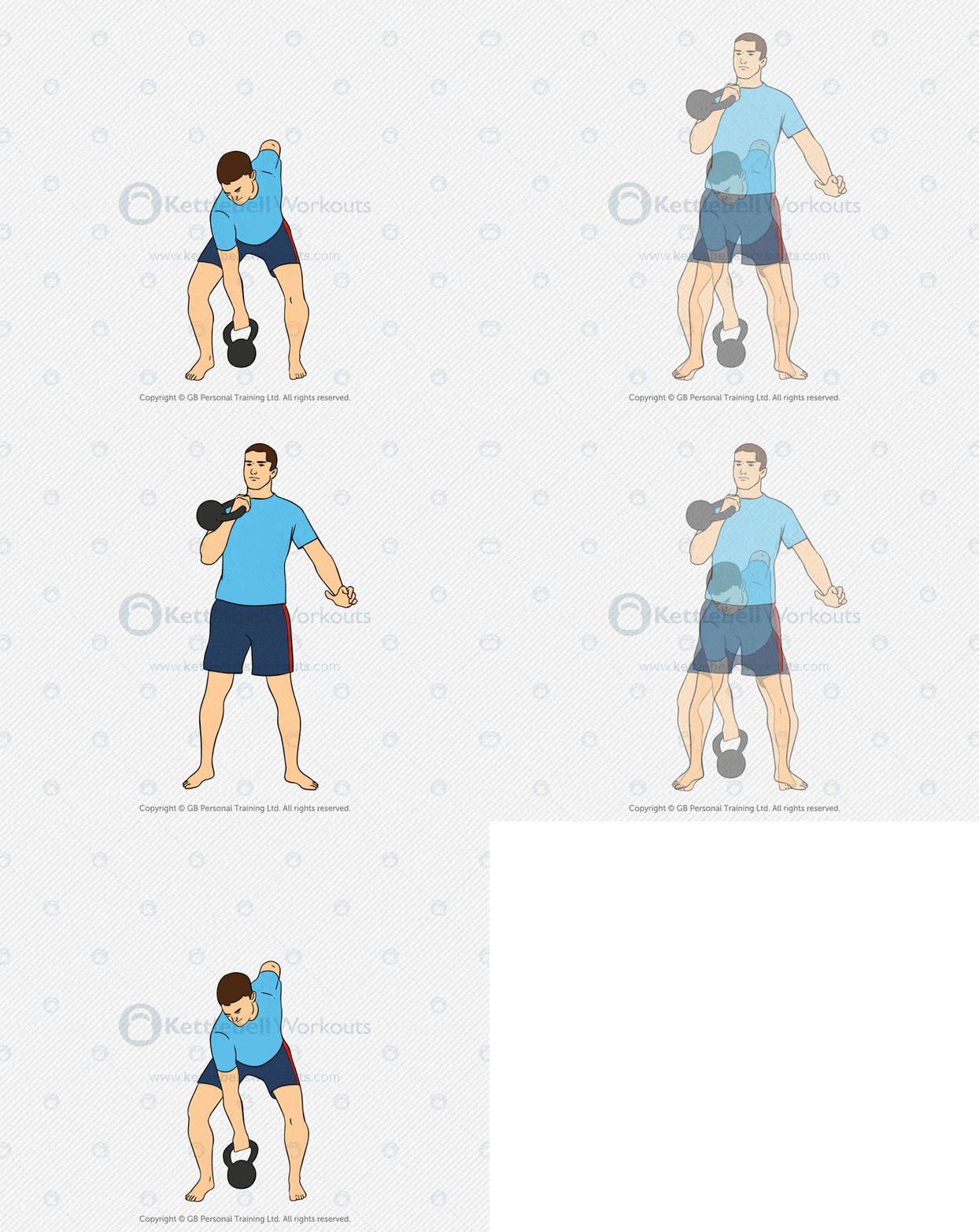
The clean is another hip-driven exercise rather than a conventional back isolation exercise.
The upper back, lats and trunk help control the kettlebell as it travels into the rack position. Good timing should make the catch feel smooth rather than like the kettlebell is crashing into the forearm.
Practice: 5 to 10 repetitions on each side.
Kettlebell High Pull
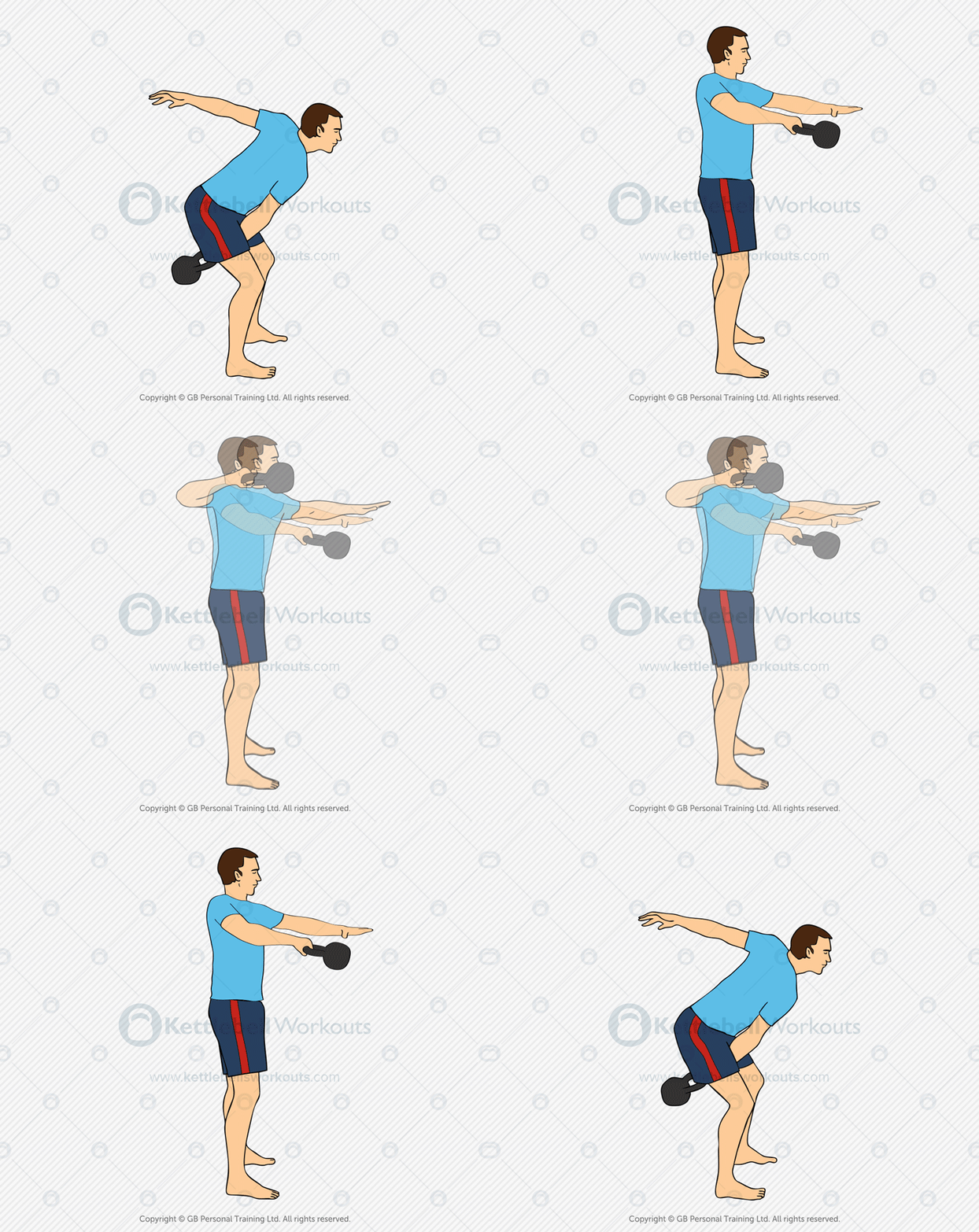
The high pull combines the hip drive of a one-handed swing with a fast pulling action from the elbow.
It is useful when you want the upper back involved in a more explosive movement, but it should not replace slower rows when direct back strength is the priority.
Practice: begin with 5 to 10 repetitions on each side.
Kettlebell Bob and Weave
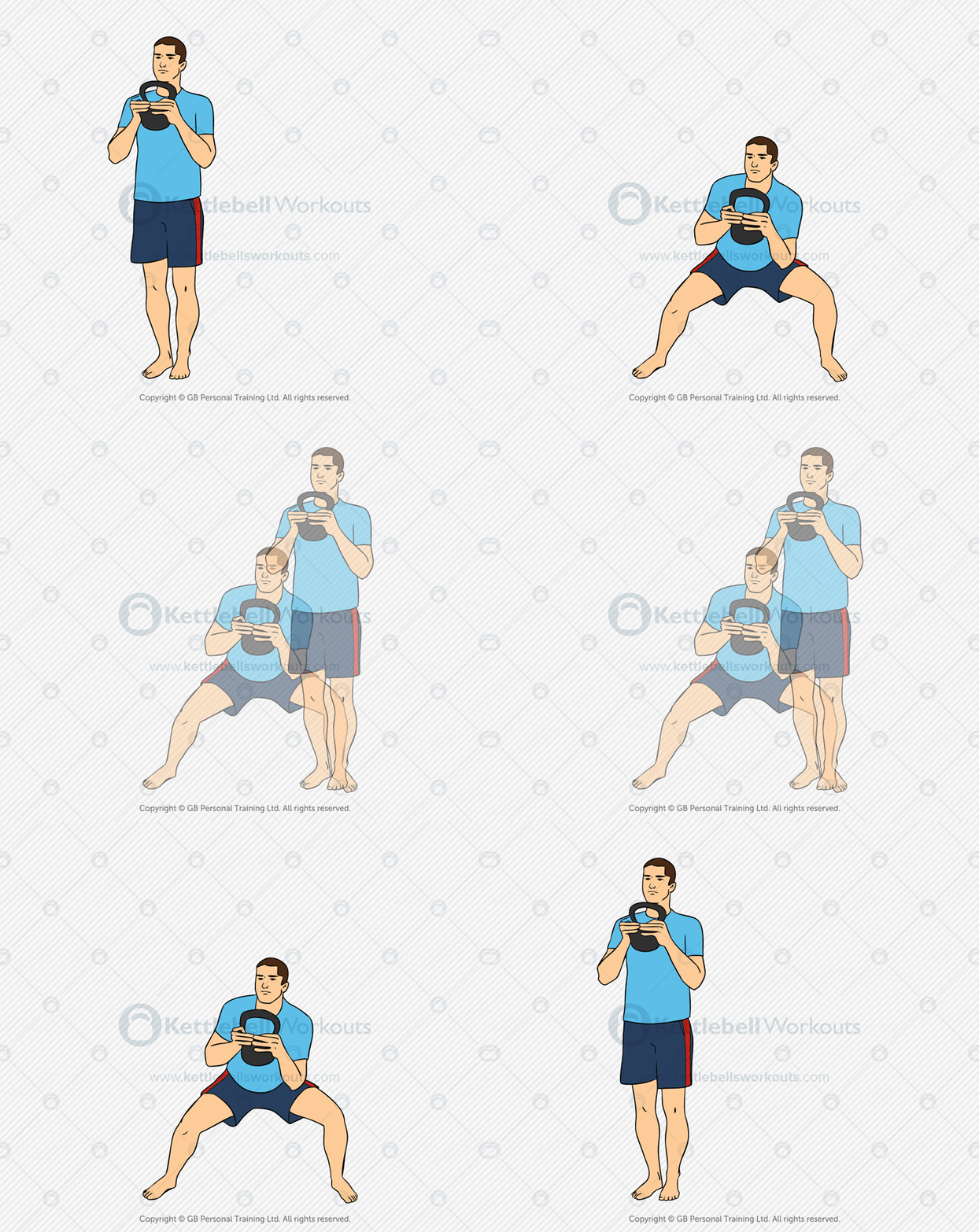
The bob and weave is the least conventional “back exercise” in this collection, but I still like it for moving the hips and trunk in a direction that many kettlebell workouts ignore.
Keep the kettlebell close to the chest, move laterally through the hips and maintain control of the torso as you travel from side to side.
Practice: 10 controlled repetitions in each direction.
Kettlebell Snatch
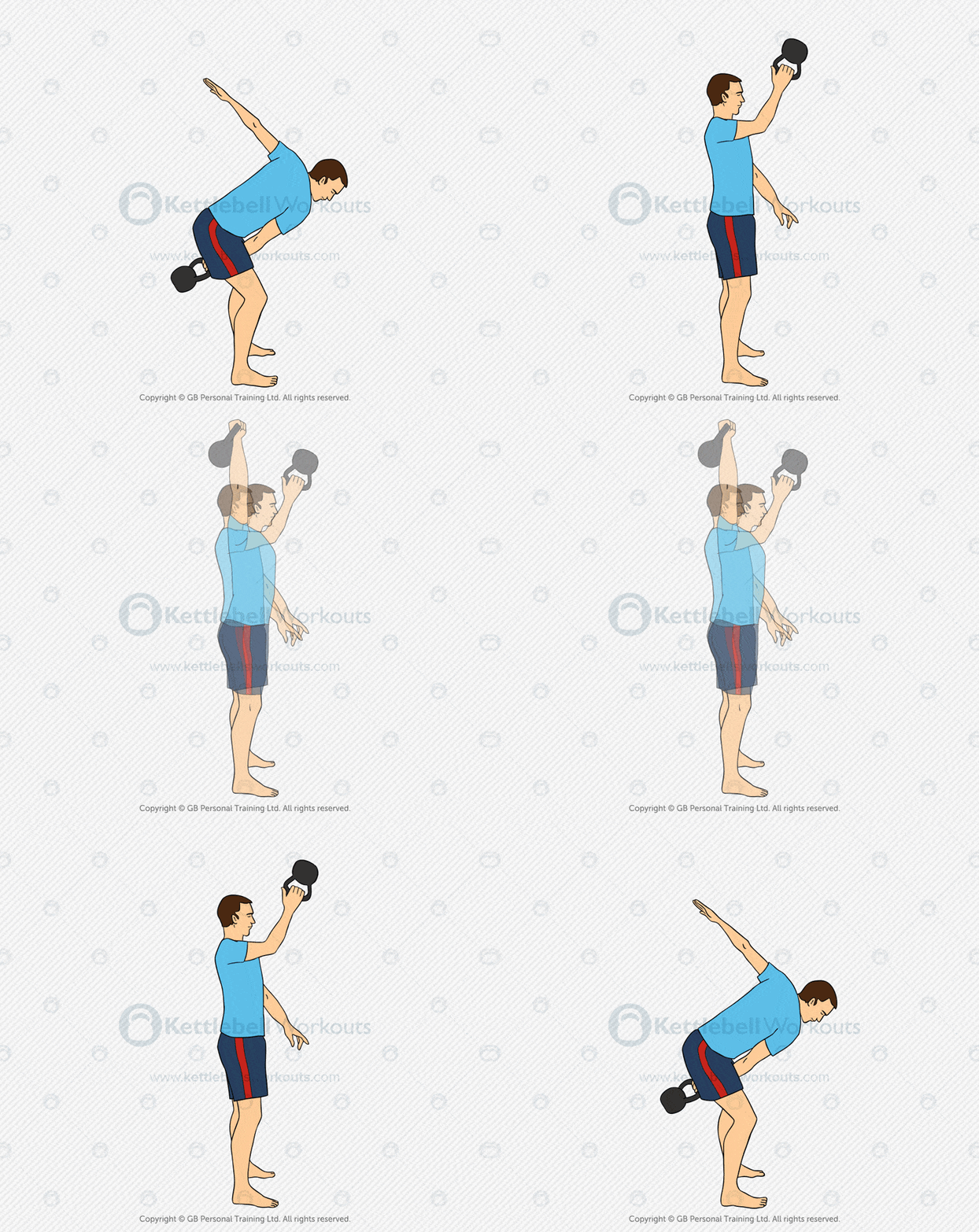
The snatch takes the explosive hip hinge overhead in one continuous movement.
Your posterior chain produces the power while the upper back, lats and shoulder stabilisers control the kettlebell throughout the path. Master the swing and high pull before using the snatch for conditioning.
Practice: begin with sets of 5 repetitions on each side.
Kettlebell Renegade Row
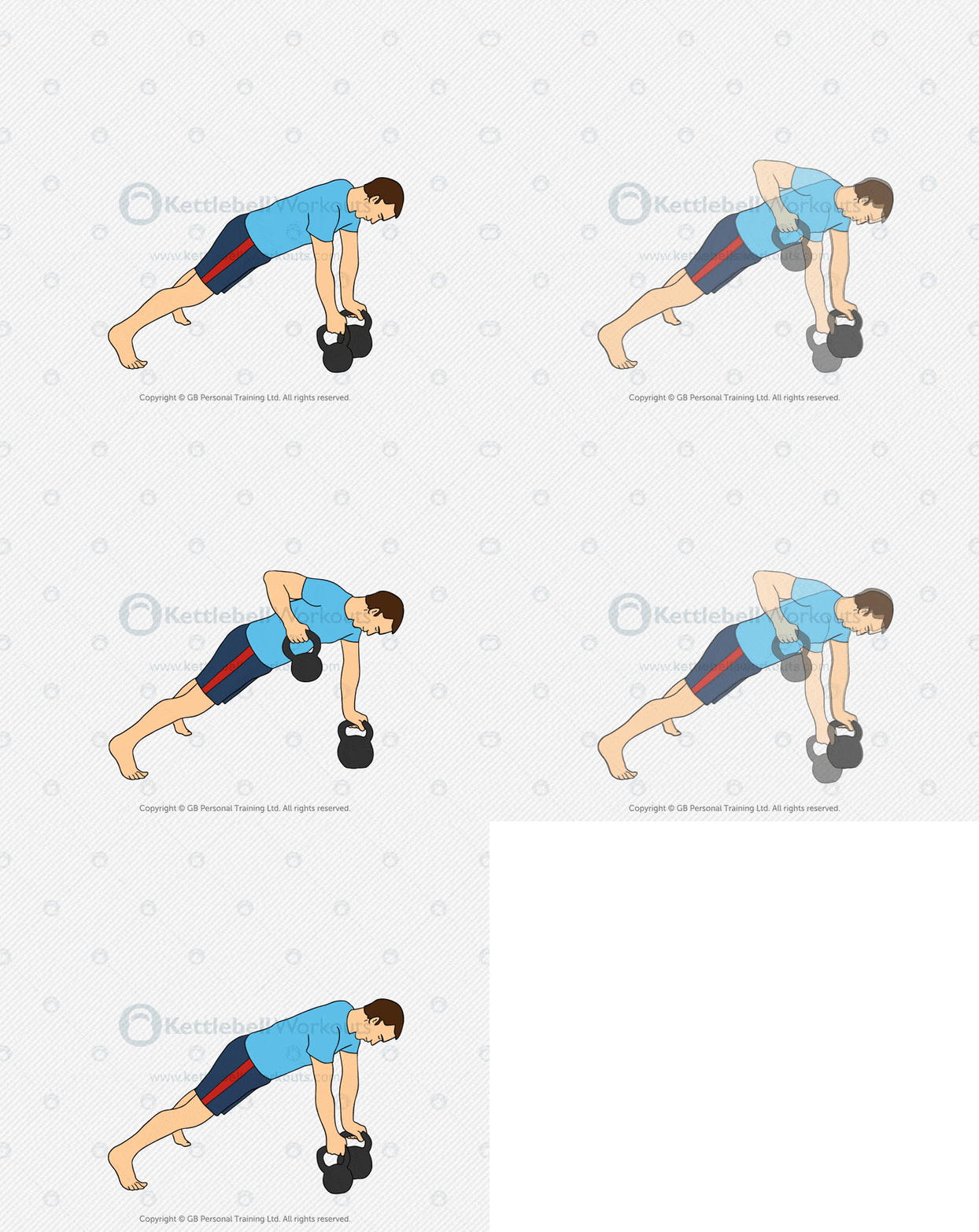
The renegade row adds a large anti-rotation challenge to the horizontal pulling movement.
Keep the feet wide enough to create a stable base, brace the trunk and row without allowing the hips to rotate. If the plank position breaks down, use a supported row instead.
Practice: 5 to 8 controlled repetitions on each side.
One Limitation of Kettlebells for Back Training
Kettlebells are excellent for hip hinges, horizontal pulling and whole-body stability, but they do not naturally provide a true vertical pulling exercise.
If complete back development is your goal and you have the equipment available, combine kettlebell training with pull-ups, chin-ups or another vertical pulling movement. You do not need to force every movement pattern into a kettlebell exercise.
For different horizontal pulling options, see my 6 kettlebell row variations.
3 Kettlebell Back Workouts
These workouts combine direct pulling with posterior-chain work. Choose the level that matches the exercises you can already perform well.
1. Beginner Back Workout
- Kettlebell Halo: 5 reps each direction
- Single Arm Deadlift: 8 to 10 reps each side
- Supported Bent Over Row: 8 reps each side
Complete 2 to 3 rounds. Rest for 60 to 90 seconds between rounds.
The aim is to learn the hinge, train a horizontal pull and prepare the upper back without rushing.
2. Intermediate Back Workout
- Two Handed Swing: 15 reps
- Bent Over Row: 8 to 12 reps each side
- Single Leg Deadlift: 6 reps each side
Complete 3 rounds. Rest for approximately 60 seconds between rounds.
Use a kettlebell that allows the row and single leg deadlift to remain controlled even after the swings.
3. Advanced Back Workout
- Kettlebell High Pull: 8 reps each side
- Renegade Row: 5 to 8 reps each side
- Kettlebell Snatch: 5 reps each side
Complete 3 rounds with enough rest to keep every repetition technically strong.
This is a demanding combination. You should already be confident with the swing, high pull, snatch and plank before using it as a workout.
Build Your Back Around Movement Patterns
You do not need all 10 exercises in one programme.
For most people, a sensible kettlebell back session needs a strong hip-hinge pattern and a horizontal pull. Add the more advanced ballistic or anti-rotation exercises when they serve a specific purpose rather than simply because they are harder.
If you are starting out, the single arm deadlift and bent-over row give you an excellent foundation. Once the hinge is reliable, the swing adds power. From there you can progress to single-leg work, cleans, high pulls, snatches and renegade rows as your strength and control improve.
Frequently Asked Questions
Are kettlebells good for strengthening the back?
Yes. Kettlebells can train the back through horizontal pulling, hip-hinge movements and trunk stabilisation. Rows provide the most direct back work, while deadlifts, swings, cleans and snatches train the back as part of the posterior chain.
What is the best kettlebell exercise for the back?
It depends on the goal. For direct upper and mid-back strength, I would start with a bent-over row. For posterior-chain strength, begin with the deadlift. For power and conditioning, progress from the deadlift to the swing once your hip hinge is reliable.
How often should I train my back with kettlebells?
Recovery depends on the load, volume and exercises you use. For most people, 2 or 3 well-planned pulling and posterior-chain sessions across the week is plenty. Harder sessions generally require more recovery than light technique work.
Can kettlebells replace pull-ups?
Not completely. Kettlebells offer excellent horizontal pulling and posterior-chain exercises, but pull-ups and chin-ups provide a true vertical pull that kettlebells do not naturally reproduce.


How many reps for each kettlebell excercise is recommended. Thanks
The pic of the girls back in the beginning of this article is awesome! Looking forward to trying these exercises, thanks!
I’ve been using the kettlebell for several years now (with interruptions). I am over 50 so I always start out slow. this winter i developed what the physical therapist called “False Sciatica” and gave me some hip exercises that got me feeling better after a couple of weeks. He said that the dead lift was fine if done properly but the bottom of the swing is bad unless you lower the kettlebell in a controlled manner.
I think what got me was either moving to a higher weight in snatches or the twisting and raising kettlebell exercise which I don’t think you use.
Should I give up on the swing or develop it even more slowly?
It’s always hard to say without assessing you Thomas but the bottom position of the swing will try to rotate the top of the pelvis forwards and bottom backwards unless you have good abs and core stability.
The extra movement from the pelvis can then affect the nerves within the lower back. Both your core muscles and hamstrings will help to stabilise the pelvis so my advice would be to workout on both of these areas.
Have you tried the single leg kettlebell deadlift? Only go down as far as your hamstrings will allow. I’d also work on some leg lowers, if you have the strength, maintaining a strong and stable neutral spine. You will also want to work frequently on your hip mobility and probably your thoracic mobility.