
Last Updated on 18 August 2026 by Greg Brookes
Training for longevity means keeping enough strength, mobility, balance and fitness to continue doing the things you enjoy for decades.
Kettlebells are useful for this because one tool can train several of those qualities at once. You can build strength with squats and carries, maintain power with swings, challenge balance and coordination with unilateral exercises, and use controlled movements such as halos, windmills and get-ups to practise useful ranges of motion.
Longevity training is not simply light exercise, stretching or avoiding hard work. The aim is to remain capable, strong and adaptable while choosing training that you can recover from consistently.
Think “capacity for life”, not “easy training for older people”. Your programme should preserve the physical qualities you want to keep: strength, muscle, power, balance, mobility and cardiovascular fitness.
The 6 Pillars of Longevity Training
Why Focus on Longevity Training?
Training goals often change over time. Fat loss or muscle gain may once have been the priority, but eventually a broader question becomes more important: what do you want your body to remain capable of doing 10, 20 or 30 years from now?
Longevity training does not replace strength, cardio or mobility training. It brings those qualities together with a longer time horizon.
A useful longevity programme should help you:
- maintain or improve strength;
- preserve muscle and physical capacity;
- retain balance and coordination;
- move comfortably through useful ranges of motion;
- keep some power and speed where appropriate;
- maintain cardiovascular fitness;
- recover well enough to train consistently.
Kettlebells suit this approach because the same equipment can be used for slow strength work, carries, controlled mobility-based exercises and more dynamic conditioning.
Longevity Training Still Needs Strength
One mistake is to assume that training for longevity should always be light and easy. Mobility and movement quality matter, but so does maintaining the ability to produce force.
Goblet squats, deadlifts, rows, presses and carries can all be progressively loaded. Those exercises can sit alongside more controlled movements such as get-ups, halos and windmills.
The right load depends on the person and the exercise, but the principle remains the same: use enough resistance to give your body a reason to remain strong.
Key Kettlebell Exercises for Longevity
These 5 exercises cover different qualities that are useful for long-term training. They are not the only exercises you need, and some require more skill than others.
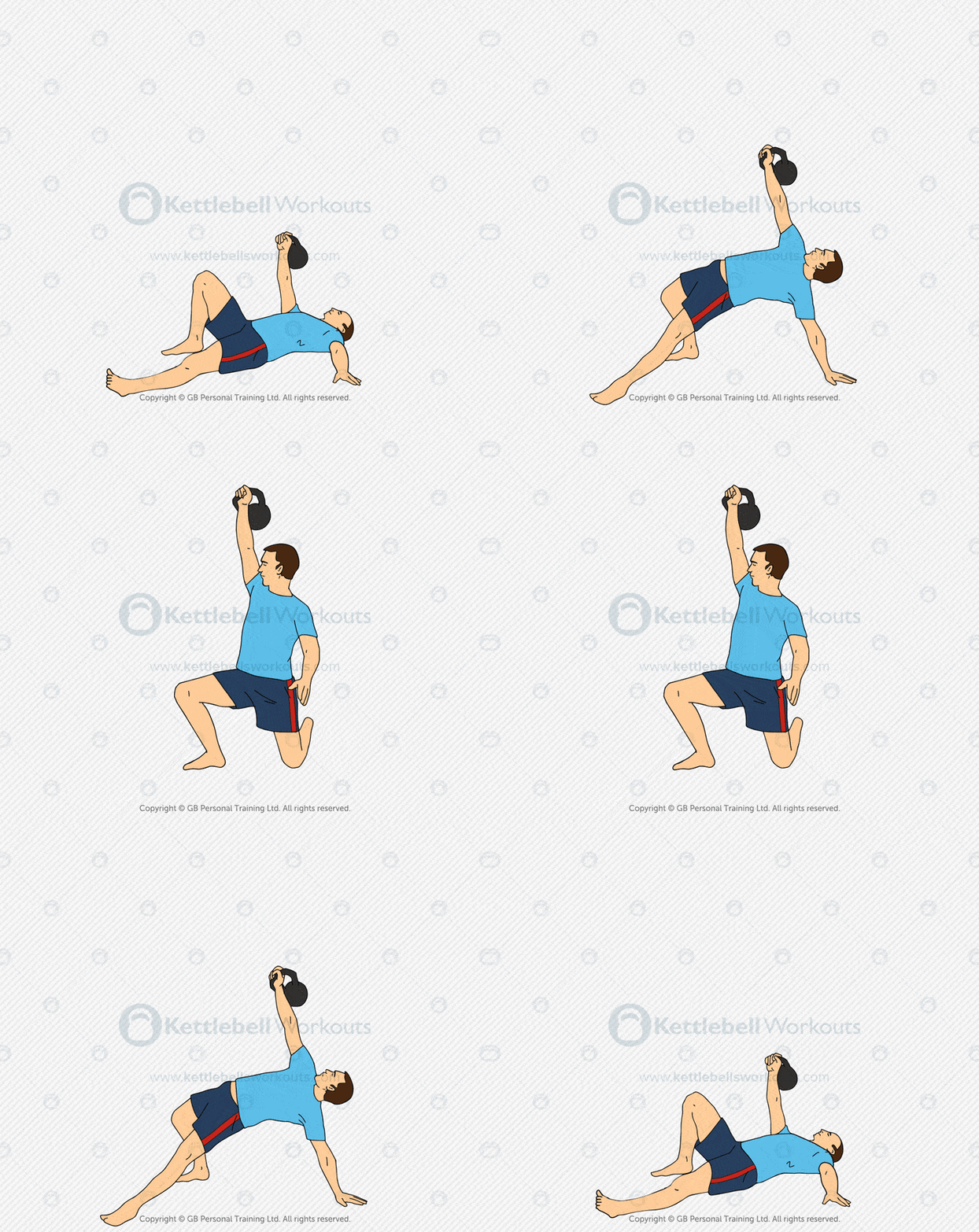
1. Turkish Get Up, Full or Half
The Turkish Get Up practises moving between several positions under control. It combines trunk control, shoulder stability, hip movement and the useful ability to move between the floor and standing.

2. Kettlebell Halo
The halo takes the shoulders and upper back through a controlled circular movement while the trunk stays organised. It works well in warm-ups and lighter movement sessions.
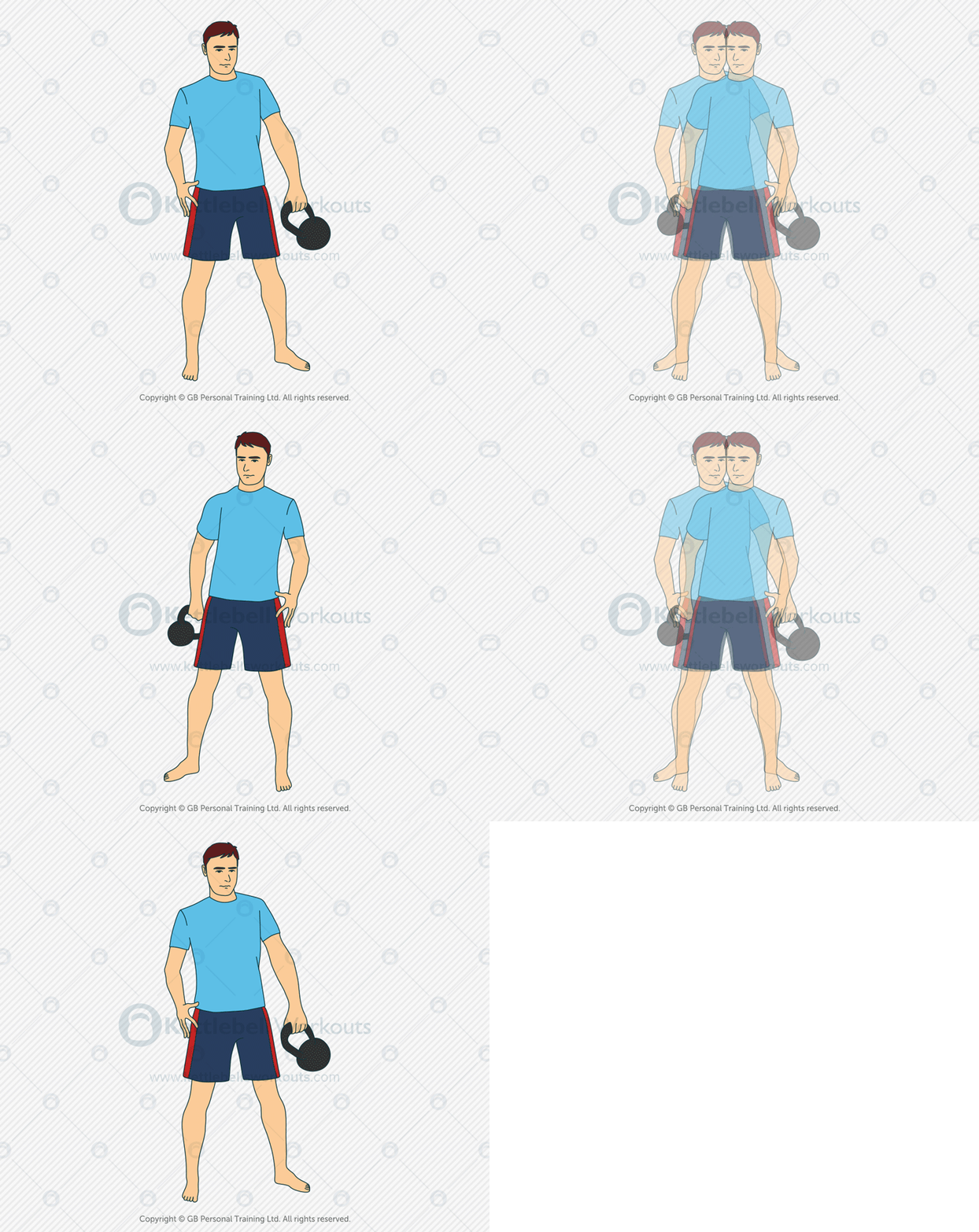
3. Kettlebell Slingshot
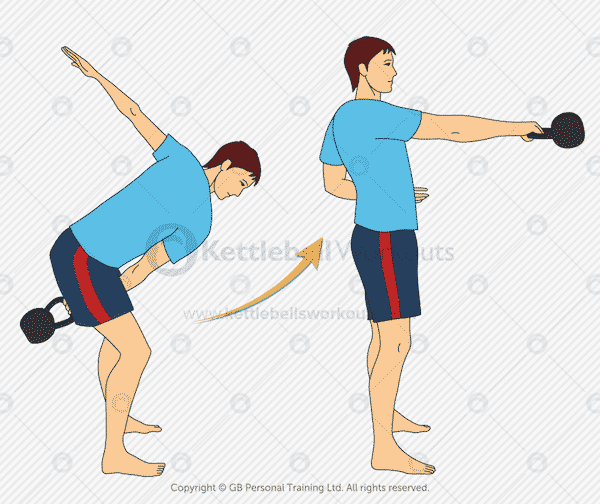
The slingshot is a simple way to practise passing and receiving the kettlebell around the body while maintaining posture and control.
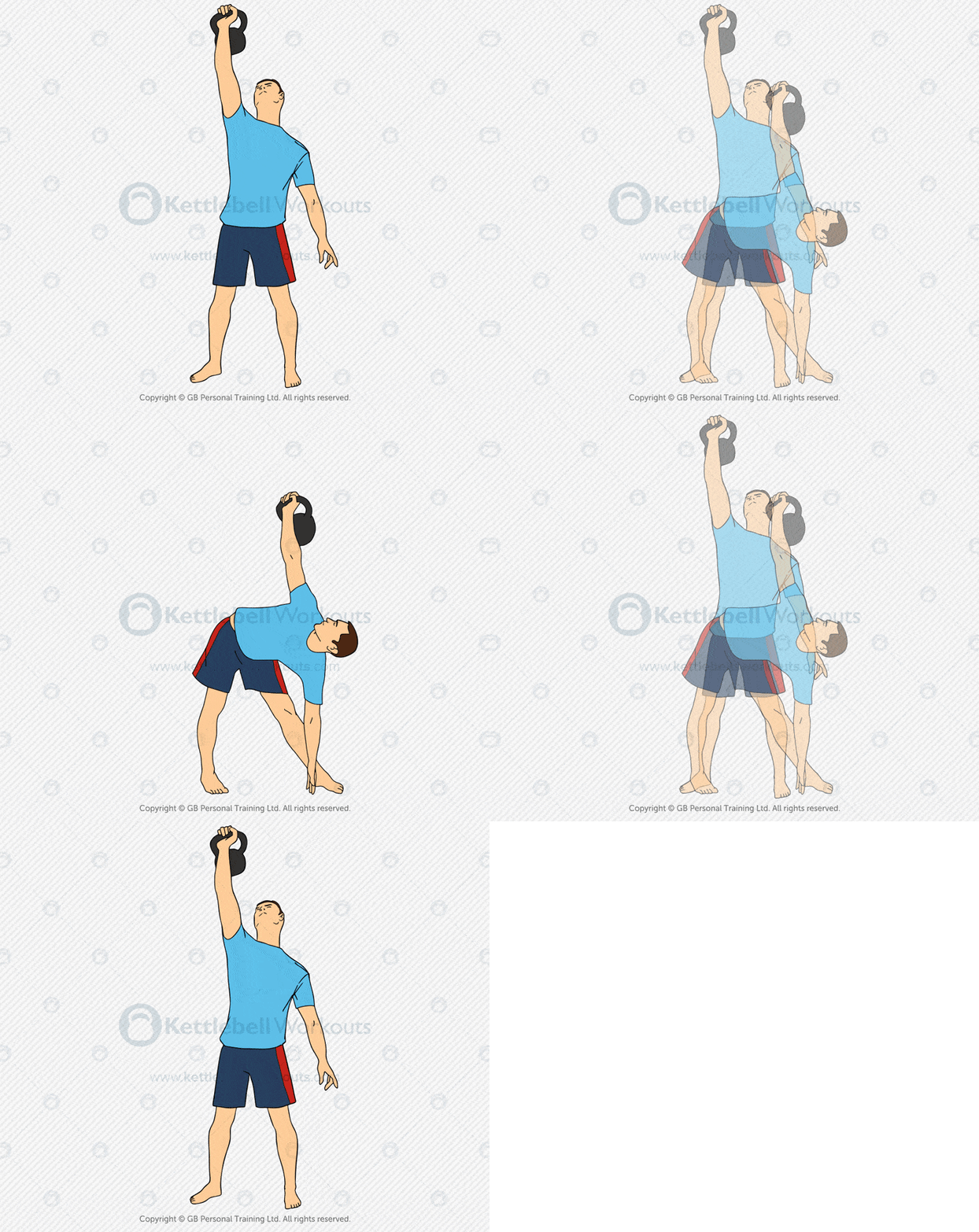
4. Kettlebell Windmill
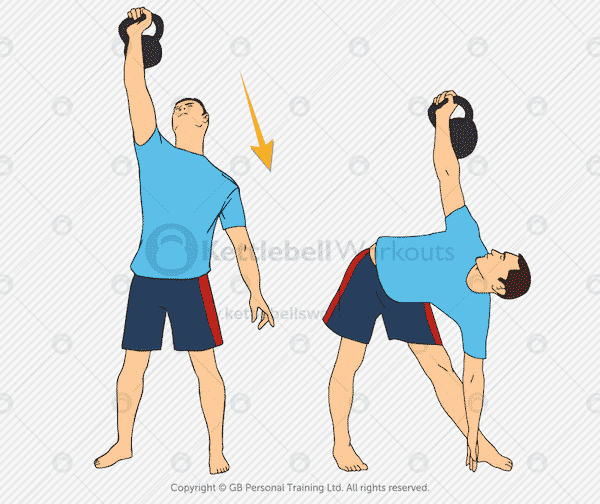
The windmill combines a hip hinge with rotation and overhead shoulder control. It can be valuable for people who already have the mobility and technique to perform it well.
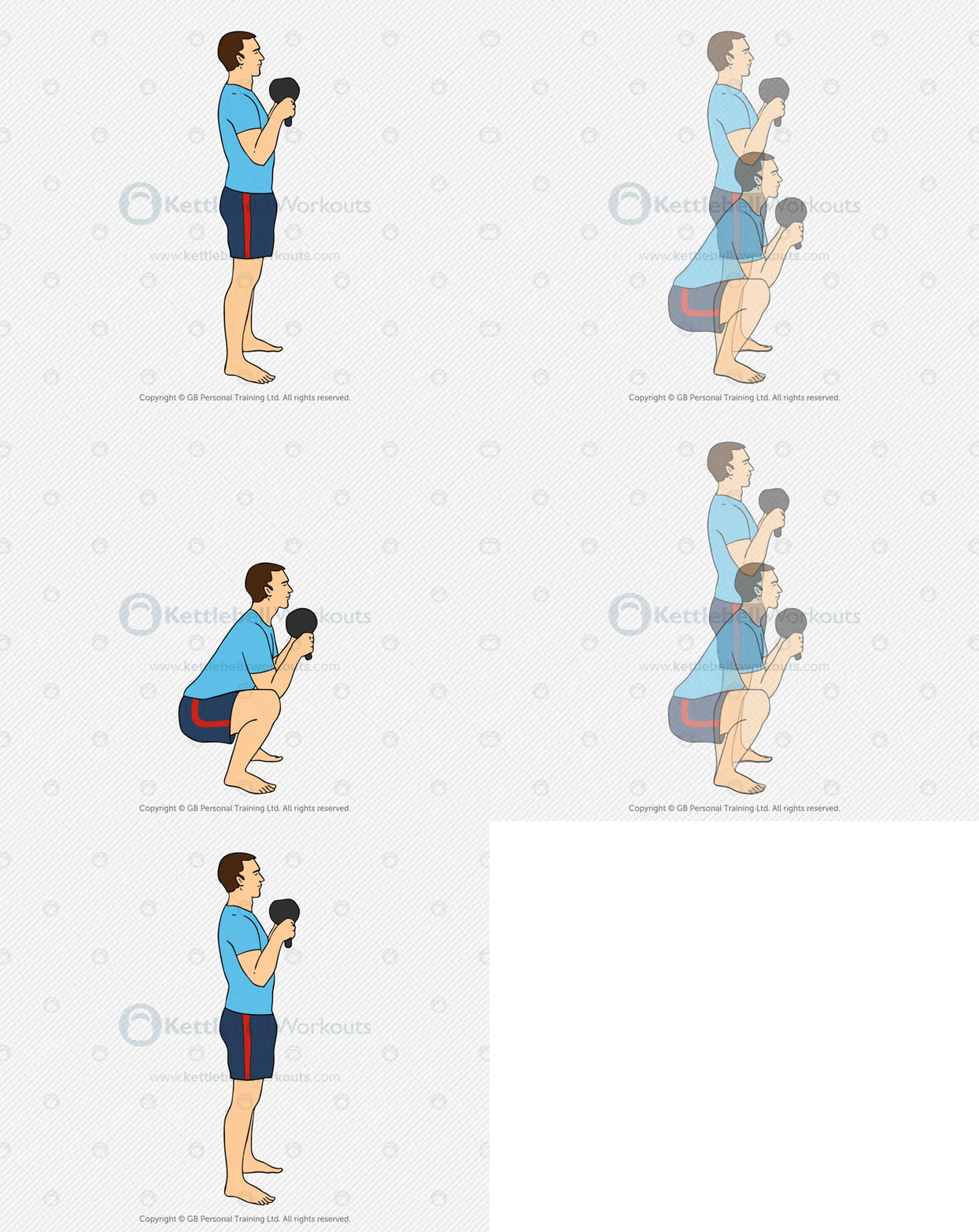
5. Kettlebell Goblet Squat with Pause
The goblet squat develops useful lower-body strength while allowing you to practise a controlled squat range. A brief pause can help you own the bottom position without bouncing or rushing.
Sample Kettlebell Longevity Workout
This session emphasises controlled movement and strength. It can work as a lighter standalone session or alongside heavier strength and conditioning days.
Warm Up
- Kettlebell Halo: 8 to 10 each direction
- Kettlebell Slingshot: 15 to 20 each direction
- Bodyweight Cossack Squat: 5 per side
Main Workout
- Turkish Get Up, half or full: 2 per side
- Kettlebell Windmill: 5 per side
- Goblet Squat with Pause: 8 to 10 reps
Complete 2 to 3 controlled rounds. Stop a set if the quality of the movement begins to deteriorate. The aim is not to race through the session.
How to Progress Longevity Training
Longevity training should still progress. The difference is that progression is broader than simply adding more weight every week.
- Add load when appropriate: strength still needs meaningful resistance.
- Improve range of motion: use only ranges you can control, then expand them gradually.
- Improve movement quality: cleaner transitions, better balance and greater control are genuine progress.
- Add unilateral loading: carries, rows, presses and racked exercises can challenge trunk control and balance.
- Maintain power: if your technique and physical capacity allow it, kettlebell swings can preserve a faster hip-extension pattern.
- Build work capacity: gradually increase total training volume or conditioning without compromising recovery.
The goal is not “better movement instead of heavier movement”. It is to improve the qualities that matter to you while keeping the programme sustainable.
Who Should Use Longevity Workouts?
Longevity-focused training is relevant to anyone who wants to remain physically capable long term. You do not have to wait until a particular age to start thinking this way.
It is especially useful for:
- adults who want to maintain strength and mobility as they age;
- people balancing harder training with lighter movement-quality sessions;
- home exercisers who want broad physical benefits from limited equipment;
- athletes who want to maintain general physical qualities alongside their sport;
- anyone whose goal has shifted from short-term fitness towards staying capable for life.
If you specifically want age-based programming, use my kettlebell training over 50 guide or kettlebell workout for seniors.
Longevity training is not rehabilitation. If you are dealing with an injury or medical problem, the appropriate exercise choice may be different. For general robustness and preventative exercise ideas, see my dedicated prehab exercises guide.
Coach’s Insight: My Approach to Training for Life
When I was younger, it was easy to judge training by how hard a session felt or how much weight I could lift. With experience, the bigger goal becomes clearer: keep enough capacity to continue training, travelling, working and doing the activities you enjoy.
That does not mean avoiding difficult training. It means using difficult training intelligently.
I want strength work to keep me strong, conditioning to keep me fit, mobility work to preserve useful movement and recovery to be good enough that I can repeat the process consistently.
Longevity is not one type of workout. It is the result of balancing those qualities over years.
Related Longevity Training Guides
- Training over 50: Kettlebell Training Over 50
- Senior-specific workouts: Kettlebell Workout for Seniors
- Exercise selection for older adults: Kettlebell Exercises for Seniors and Older Adults
- Prehab and robustness: Prehab Exercises to Help Prevent Future Injuries
- Choose a different training goal: Kettlebell Workouts by Goal
Final Thoughts
A good kettlebell longevity programme should help you remain strong, mobile, balanced and fit enough to keep doing the things that matter to you.
Use controlled mobility-based exercises where they are useful, but do not remove challenging strength or conditioning simply because the goal is longevity.
Train the qualities you want to keep, progress them sensibly, and choose a level of work you can recover from consistently.
Frequently Asked Questions
Are kettlebells good for longevity?
They can be very useful because the same equipment can train strength, power, balance, coordination, mobility and conditioning. The results depend on how the exercises are selected and programmed.
Are longevity workouts only for older adults?
No. Training for longevity simply means thinking beyond short-term results and maintaining the physical qualities you want to keep throughout life.
Should longevity workouts still include heavy strength training?
They should include appropriately challenging resistance. The exact load depends on your ability and the exercise, but longevity is not a reason to avoid progressive strength training.
Can I use this workout alongside strength training?
Yes. This controlled session can complement heavier strength or conditioning days, provided your overall weekly training load allows adequate recovery.
How often should I do a kettlebell longevity workout?
There is no fixed frequency. A lighter movement-focused session may fit into the week more often than a demanding strength session. Choose frequency according to your total programme, recovery and goals.
What if I am recovering from an injury?
Longevity training is not a substitute for individual rehabilitation. Exercise selection should reflect the injury, your current capacity and any advice you have received from an appropriate healthcare professional.

Comments