
Last Updated on 14 August 2026 by Greg Brookes
Periodization Is a Planning Framework, Not a Magic Training Method
Periodization simply means organising training so that load, volume, exercise emphasis and recovery change deliberately over time. It is most useful when you have a clear goal and need a simple way to manage progression across several weeks or months.
You do not need a complicated periodization model to make progress with kettlebells. For many people, consistent exercises plus sensible progressive overload will do most of the work.
Periodization becomes more useful when training has to serve several goals, when loads are getting heavy, when you are preparing for a specific event, or when you simply need a better way to organise hard and easier periods.
This guide explains the main periodization models, how they apply to kettlebell training, and how to build a practical 12-week plan without turning your programme into a spreadsheet exercise.

What Is Periodization Training?
Periodization is the planned organisation of training over time. Instead of repeating the same workload indefinitely, you deliberately change variables such as load, repetitions, sets, exercise emphasis and recovery.
The aim is not constant novelty. In fact, periodization works best when enough of the programme stays consistent for progress to be measurable.
For the progression side, see my Progressive Overload With Kettlebells guide.
Does Periodization Actually Work?
Periodized resistance training can be useful for improving strength, particularly in trained people who benefit from planned changes in load and volume. But it is important not to oversell it.
For muscle growth, the evidence suggests that periodization itself is not a special hypertrophy stimulus when total training volume is similar. The basics still matter more: enough challenging sets, appropriate exercise selection, sufficient load and progressive overload.
So I use periodization mainly as a planning tool. It helps organise training stress, keeps the goal clear and makes progression easier to manage over longer periods.
The 3 Levels of a Periodized Programme
3 Common Types of Periodization
You do not need to use every model. Choose the simplest structure that fits your goal.
1. Linear Periodization
Training gradually moves from more volume and lighter loads towards lower volume and heavier loads.
Useful for: simple long-term planning, beginners and anyone working towards a clear strength-focused phase.
2. Undulating Periodization
Load and volume change more frequently, often from session to session or week to week.
Useful for: experienced trainees who want to train several qualities while still progressing strength.
3. Block Periodization
Training is divided into distinct blocks, each with a dominant purpose such as muscle, strength or power.
Useful for: experienced trainees, athletes and people preparing for a specific performance goal.
Linear Periodization With Kettlebells
A simple linear plan might begin with moderate loads and more total repetitions, then gradually move towards heavier kettlebells and lower rep ranges.
For example, a Clean & Press might move from 3 sets of 8 reps, to 4 sets of 6, then to 5 sets of 3 to 5 with a heavier bell.
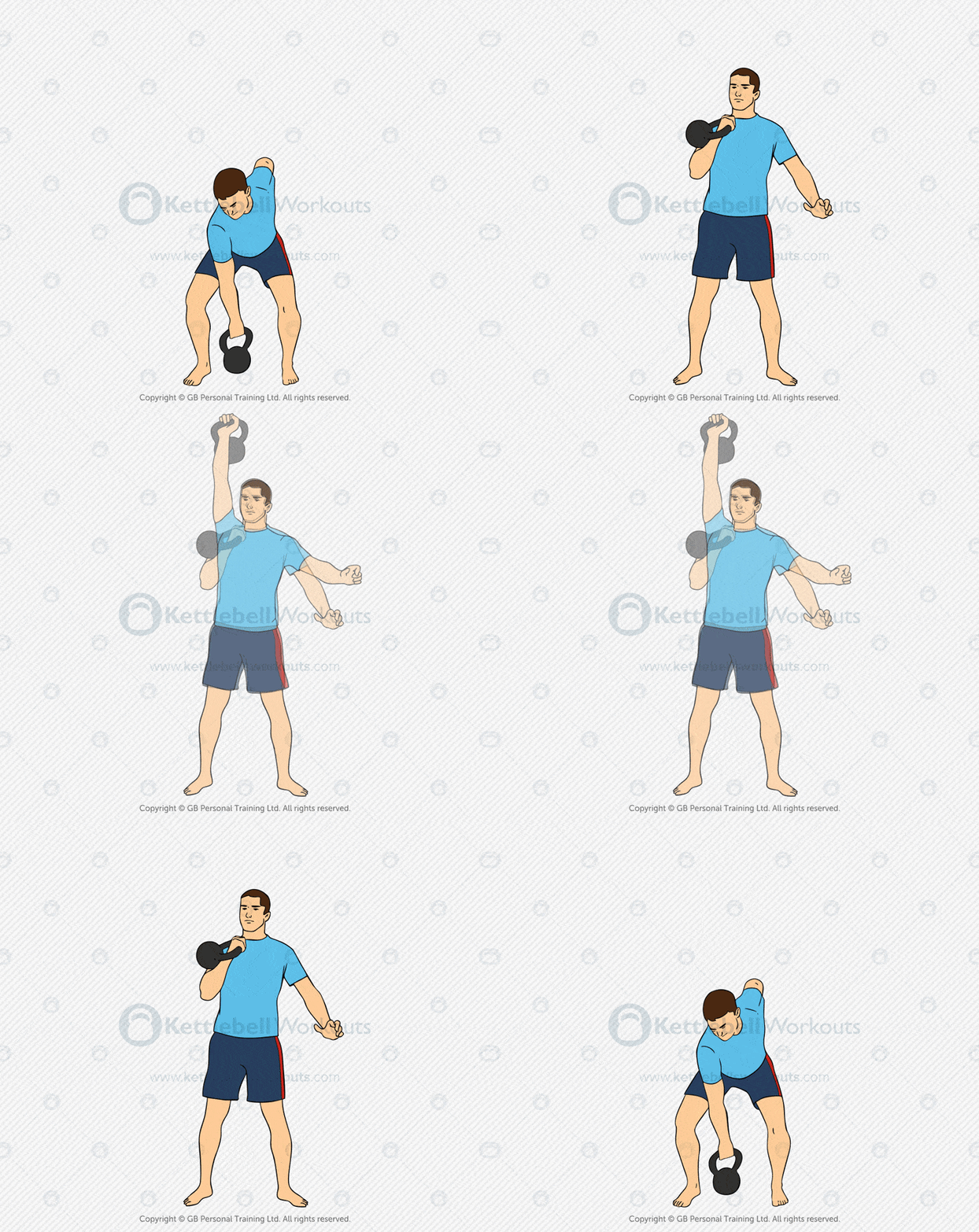
This does not mean every exercise has to follow exactly the same rep pattern. A Swing is still a power exercise and a Carry is better progressed with load, distance or duration.
Undulating Periodization With Kettlebells
Undulating training changes the emphasis more frequently. A 3-day week might include a heavier strength day, a moderate-volume day and a lighter power or technique day.
Simple 3-Day Undulating Week
- Monday: heavier strength work, lower reps, longer rest.
- Wednesday: moderate loads and more total volume.
- Friday: lighter, faster power work or technique-focused training.
This approach can work particularly well when you enjoy training the same movement patterns several times per week but do not want every session to feel identical.
Block Periodization With Kettlebells
Block periodization gives each phase a dominant goal. Rather than trying to maximise muscle, strength and power at the same time, you give one quality more attention for several weeks while maintaining the others.
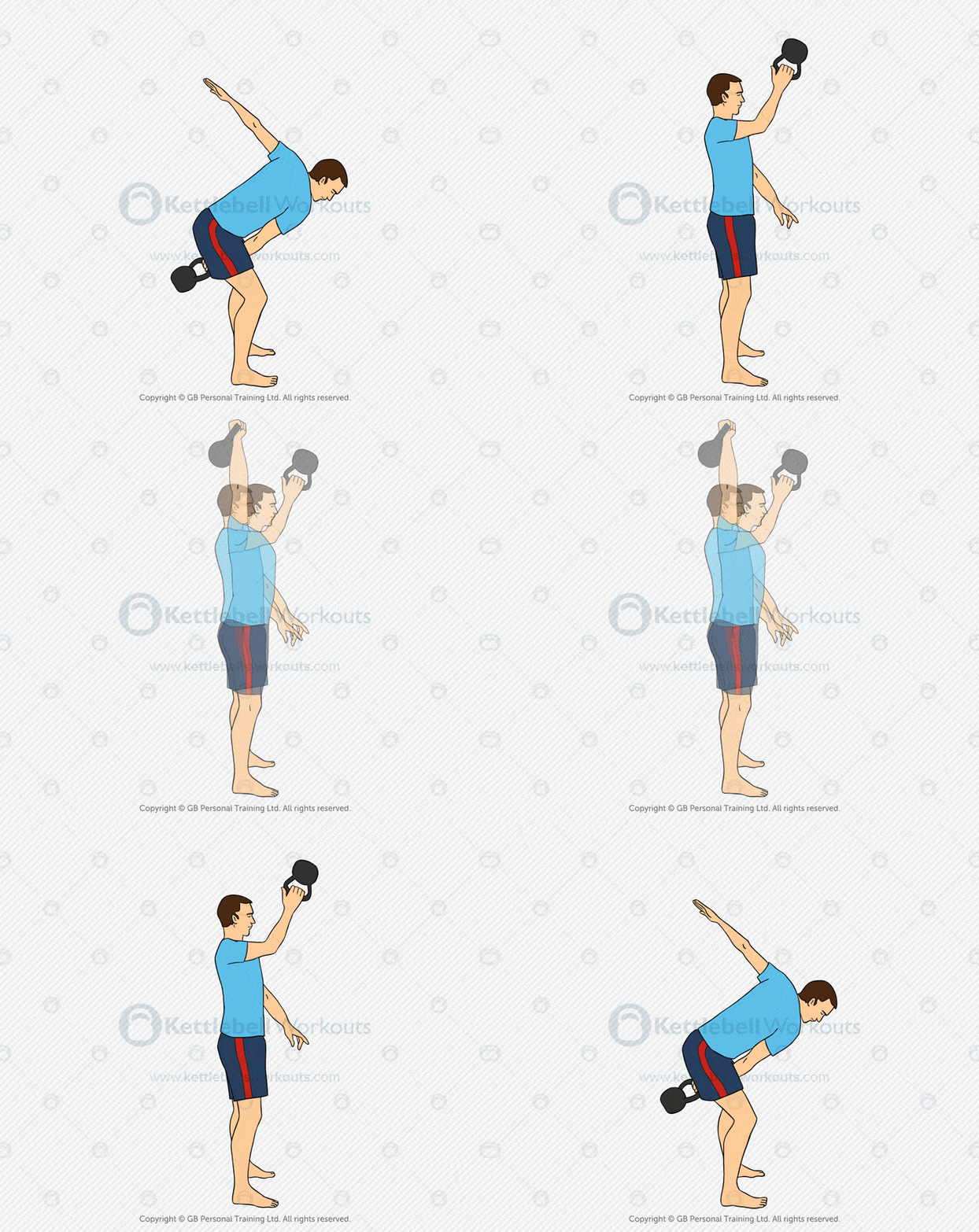
For an athlete, this might mean building general strength first, then moving towards more power and sport-specific work as competition approaches.

A Simple 12-Week Kettlebell Periodization Example
This is not the only way to periodize training, but it is a practical structure for somebody whose main goal is to build muscle first, then convert that base into greater strength and finally finish with a lower-fatigue consolidation week.
6 to 12 reps
Moderate loads
3 to 8 reps
Heavier loads
Lower volume
High-quality reps
Technique and recovery
Prepare for next block
Example Exercise Progression Across the 12 Weeks
You could keep the main movement patterns similar while changing the loading and emphasis.
- Squat: Goblet Squat → heavier Double Front Squat.
- Press: moderate-rep Overhead Press → heavier lower-rep Press.
- Pull: controlled Row volume → heavier Rows with longer rest.
- Single leg: Reverse Lunge → heavier Racked or Double Lunge.
- Power: maintain crisp Swings or Snatches without turning them into high-fatigue strength work.
If your main goal is strength, see my Kettlebell Strength Training guide. For muscle gain, see Build Muscle With Kettlebells.
How to Build Your Own Periodized Kettlebell Plan
For the weekly structure itself, see my Kettlebell Workout Splits and Kettlebell Workout Plan.
Do You Need a Deload Week?
Not everyone needs a scheduled deload every 4 weeks. A deload is simply a temporary reduction in training stress, usually by reducing volume, load or both.
Use one when accumulated fatigue is clearly affecting performance, when several hard weeks have built up, or when you want to arrive fresher for a new training block or event.
Common Periodization Mistakes
Related Kettlebell Guides
Frequently Asked Questions
What is periodization in kettlebell training?
Periodization is the planned organisation of training over time. You deliberately adjust load, volume, exercise emphasis and recovery across different phases instead of repeating the same training indefinitely.
Is linear or undulating periodization better?
Both can work. Linear periodization is simple and easy to follow, while undulating periodization changes load and volume more frequently. The best choice depends on your experience, goals and how often you train.
Does periodization build more muscle?
Periodization can help organise a hypertrophy programme, but it does not appear to create extra muscle growth by itself when total training volume is similar. Exercise selection, challenging sets, weekly volume and progressive overload remain more important.
Does periodization improve strength?
It can. Planned changes in load and volume are particularly useful for experienced trainees who need to manage heavier training over longer periods.
How long should a kettlebell training block last?
There is no fixed rule. Around 3 to 8 weeks is a useful practical range for many training blocks, but the correct length depends on the goal, training age and how quickly progress or fatigue changes.
Do I need a deload every 4 weeks?
No. Some people benefit from planned deloads, while others can simply reduce training when fatigue accumulates. The purpose is to lower fatigue and prepare you for productive training again.



Comments