
Last Updated on 18 August 2026 by Greg Brookes
The best kettlebell workout depends on what you actually want your training to achieve.
A session designed for strength should not look exactly like one designed for endurance. A muscle-building programme needs different loading and progression from a power session. Fat loss, cardio and general fitness overlap, but they are not identical goals.
Use this guide to choose the right training direction, then follow the links into the detailed kettlebell workouts and programmes for that goal.
Choose one primary goal first. You can improve several qualities at the same time, but deciding what matters most makes exercise selection, loading, volume and recovery much easier to organise.
Which Kettlebell Workout Goal Fits You?
| Goal | Main Focus | Typical Approach | Good Starting Exercises |
|---|---|---|---|
| Fat loss | Activity, strength and conditioning | Full-body circuits with sensible rest | Swing, squat, row, lunge |
| Strength | Force production | Lower reps, heavier loading, longer rest | Clean and press, squat, row, deadlift |
| Muscle | Hypertrophy | Moderate reps, enough volume, progressive overload | Squat, press, row, lunge |
| Cardio | Heart and lungs | Timed intervals and repeatable work periods | Swing, high pull, clean |
| Endurance | Sustained work capacity | Longer sets, EMOMs, AMRAPs and flows | Single-arm swing, clean, carry |
| Power | Speed and explosiveness | Fast high-quality reps with full control | Swing, snatch, push press |
| Longevity | Strength, mobility and movement quality | Controlled full-body training | Halo, goblet squat, carry, get-up |
| Full body | Balanced general fitness | Push, pull, hinge, squat and carry | Thruster, row, swing, lunge |
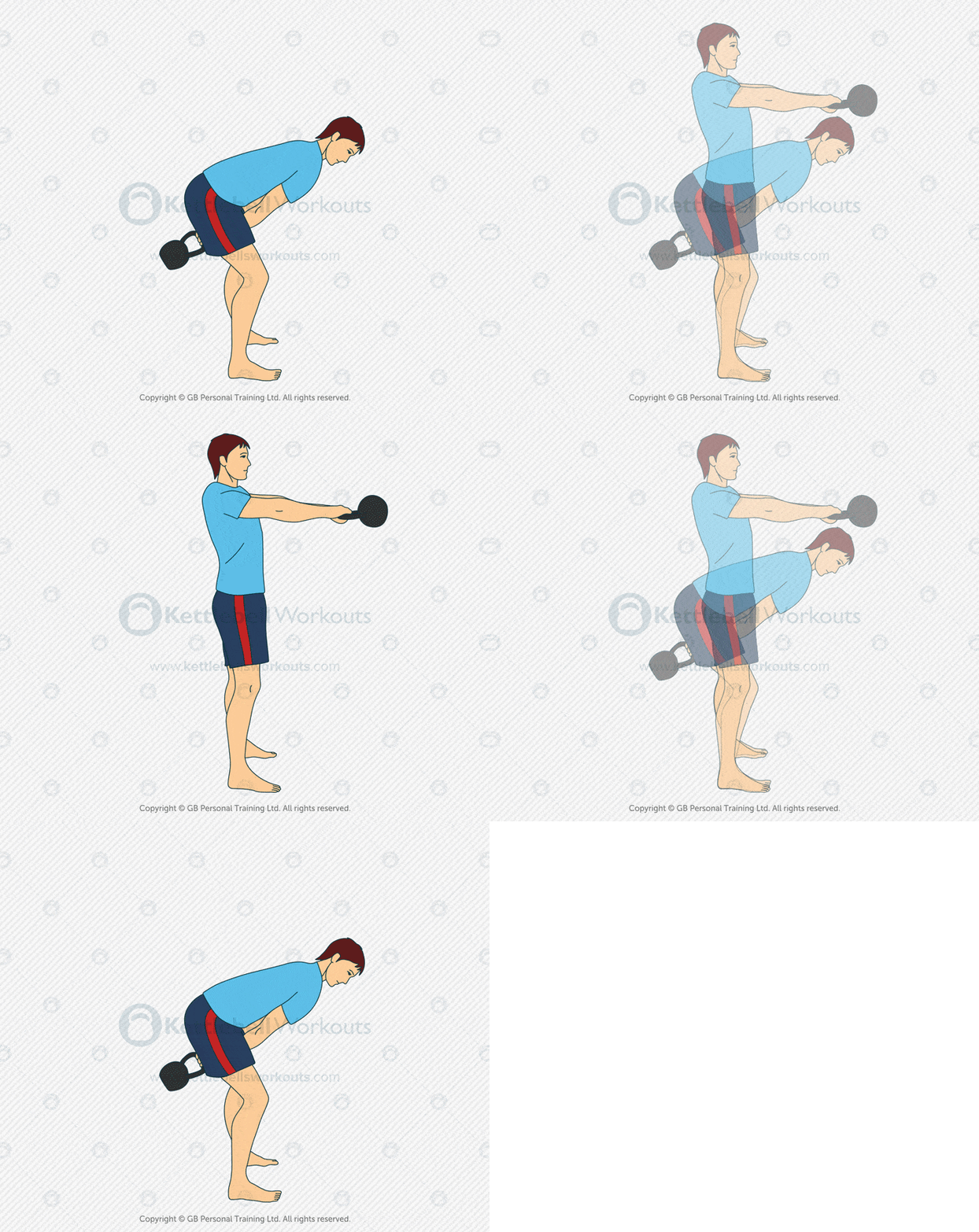
Kettlebell Workouts for Fat Loss
Fat loss is driven primarily by overall energy balance, so the workout should support the process rather than be treated as a magic calorie-burning solution.
Kettlebells are useful because you can combine resistance training with conditioning in compact full-body sessions.
- Use compound exercises that involve a lot of muscle.
- Keep the session repeatable rather than exhausting yourself every time.
- Progress strength as well as work capacity.
- Use swings and circuits when your technique is ready.
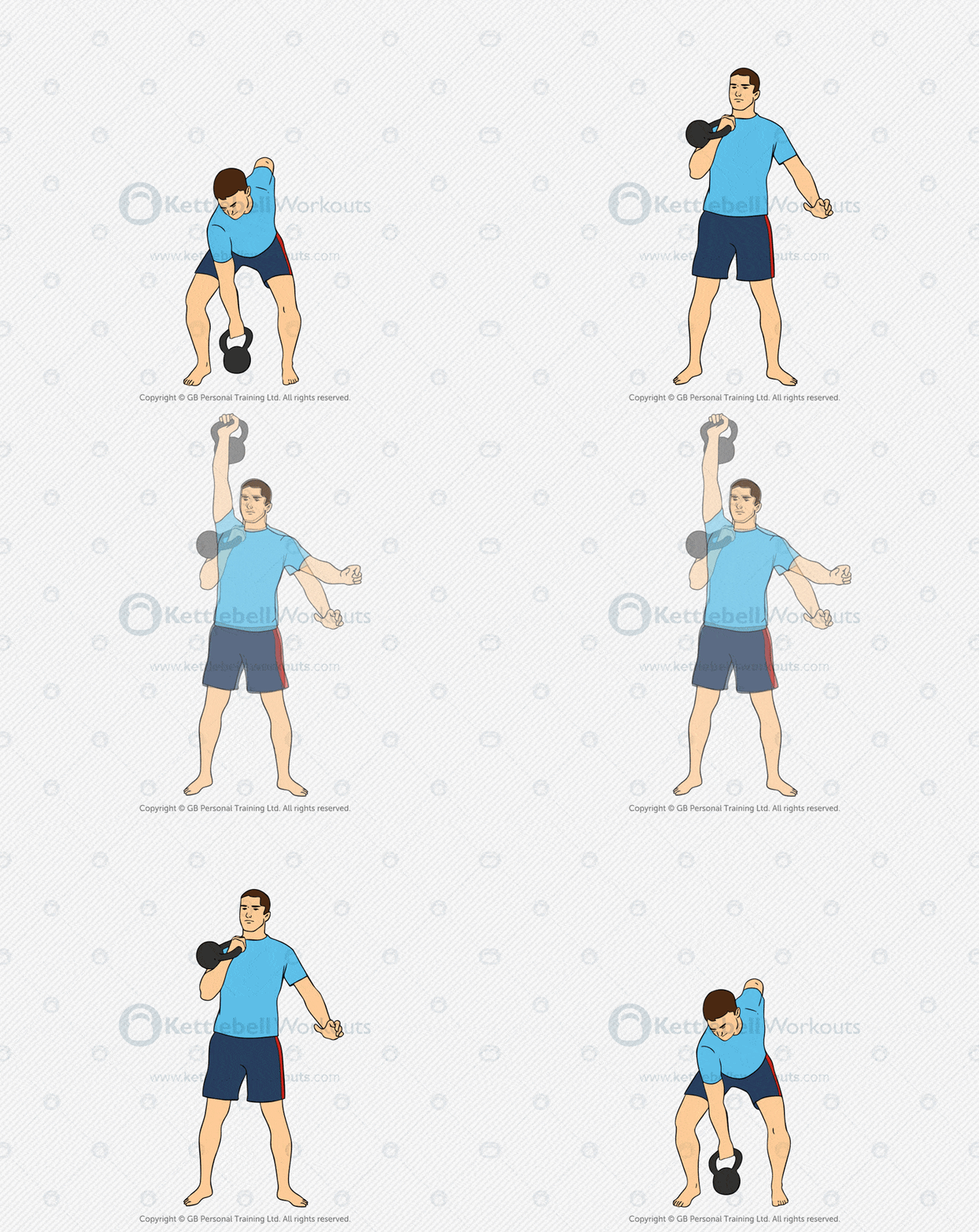
Kettlebell Workouts for Strength
Strength training is about producing more force over time. That usually means fewer repetitions, challenging but controlled loads and enough recovery between hard sets.
- Prioritise technically strong compound lifts.
- Track load and repetitions so progression is measurable.
- Rest long enough that each work set remains high quality.
- Use single or double kettlebells according to the exercise and equipment available.
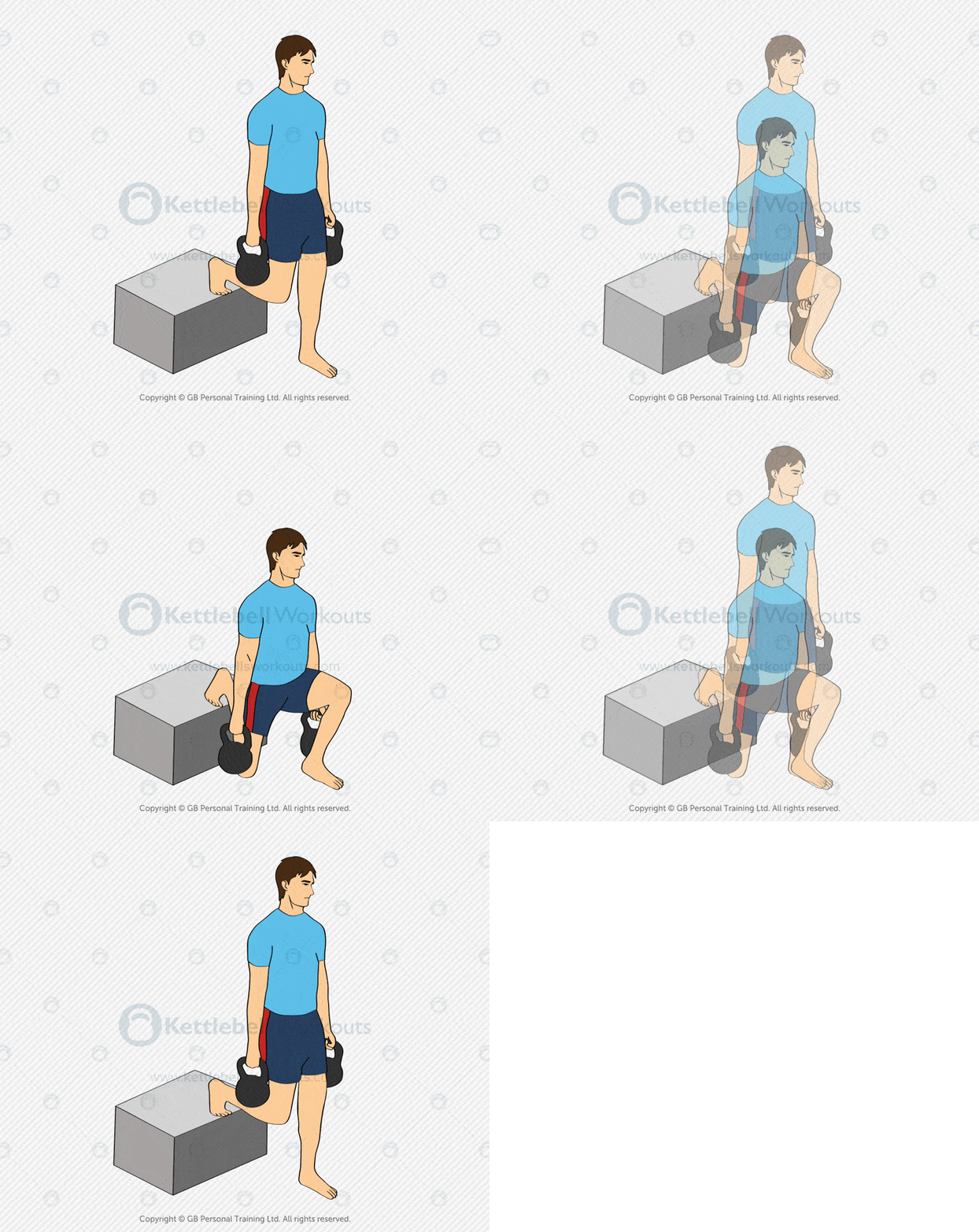
Kettlebell Workouts for Muscle Gain
Muscle growth requires enough mechanical tension and training volume, followed by recovery and progression. Kettlebells work well when the load is challenging enough and the programme is structured rather than random.
- Use controlled squats, lunges, presses and rows.
- Work reasonably close to muscular fatigue without sacrificing technique.
- Add repetitions, sets or load gradually.
- Use unilateral exercises when a single kettlebell becomes too light for bilateral work.
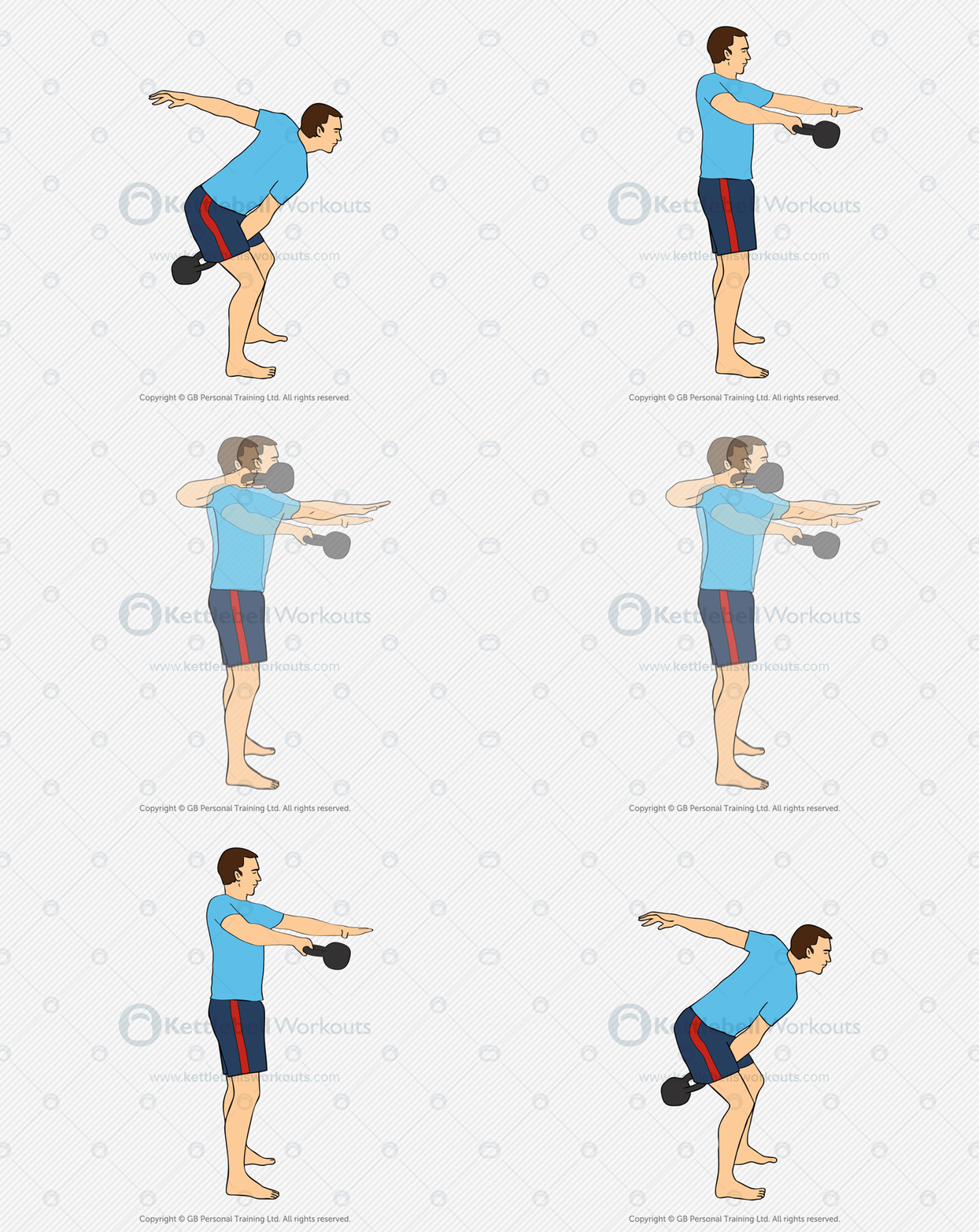
Kettlebell Cardio Workouts
Kettlebells can create a substantial cardiovascular demand when exercises are performed in timed intervals or repeated circuits. The important part is matching the exercise complexity to your ability.
- Choose exercises you can repeat safely under fatigue.
- Use work and rest periods that let you maintain movement quality.
- Swings, high pulls and cleans work well once the technique is established.
- Cardio does not need to mean maximal effort every session.
Kettlebell Endurance Workouts
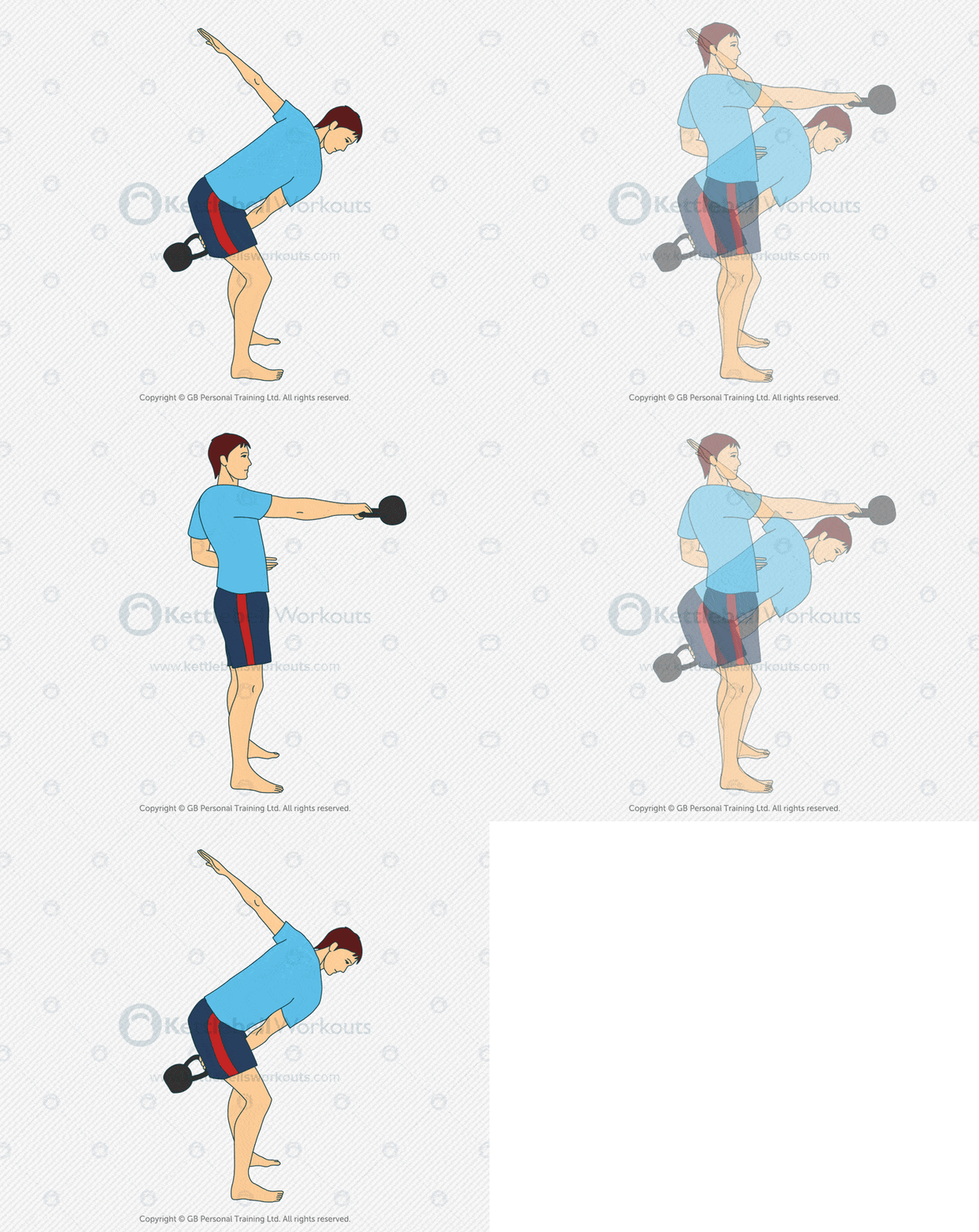
Endurance training asks you to sustain useful work for longer without losing technique. Kettlebells can be programmed through longer sets, repeatable rounds, EMOMs, AMRAPs and flows.
- Use loads that allow consistent technique over time.
- Build duration before chasing speed.
- Expect grip to become a limiting factor in longer sessions.
- Keep more technical lifts for shorter, higher-quality sets if fatigue changes the movement.
Kettlebell Power Workouts
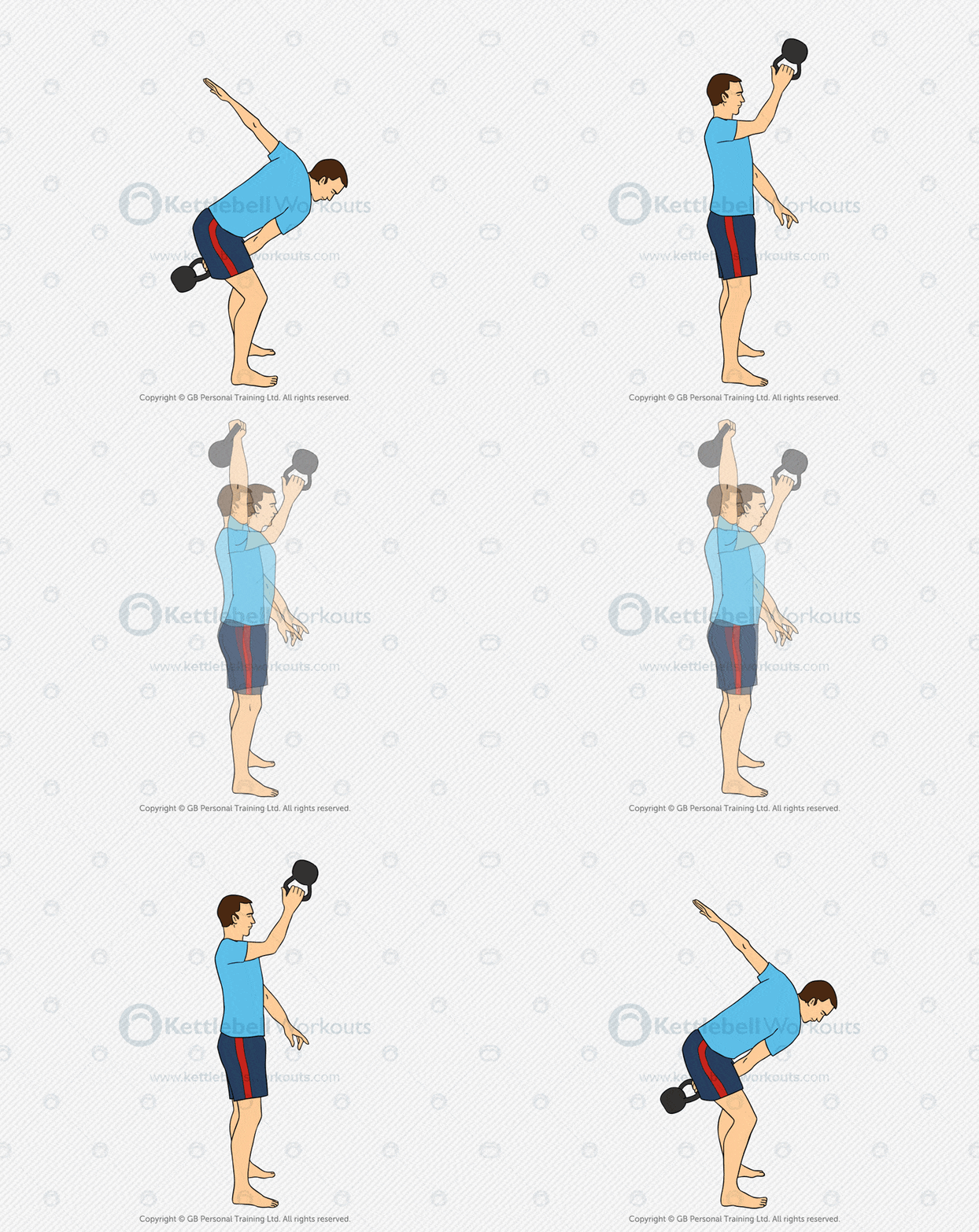
Power is the ability to produce force quickly. Kettlebell swings, snatches and push presses can train that quality well, but only when each repetition remains fast and technically clean.
- Use explosive exercises you have already mastered.
- Stop the set when speed or technique starts to fall away.
- Take enough recovery to keep repetitions powerful.
- Do not turn every power session into an endurance workout.

Kettlebell Longevity Workouts
Training for longevity is less about one special exercise and more about maintaining strength, balance, mobility, work capacity and confidence as the years pass.
- Use full-body movements through controllable ranges.
- Keep some single-leg and carrying work in the programme.
- Train strength rather than relying only on light mobility work.
- Choose exercise variations that fit your joints and current ability.

Kettlebell Full-Body Workouts
If you do not need to specialise, a balanced full-body workout is often the simplest option. Cover the main movement patterns and progress them over time.
- Include a hip hinge such as a deadlift or swing.
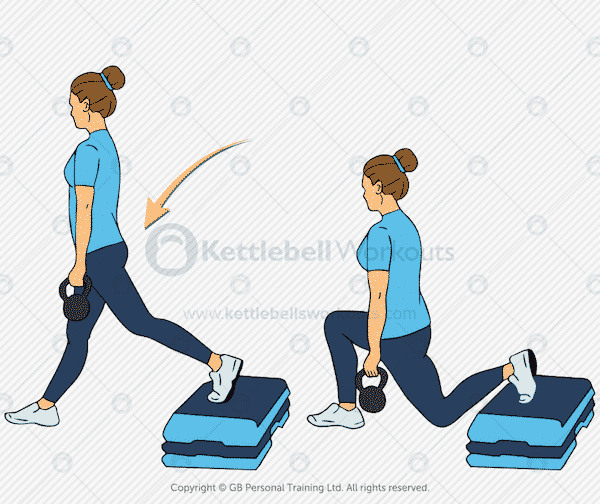
- Add a squat or lunge pattern.
- Balance pushing with pulling.
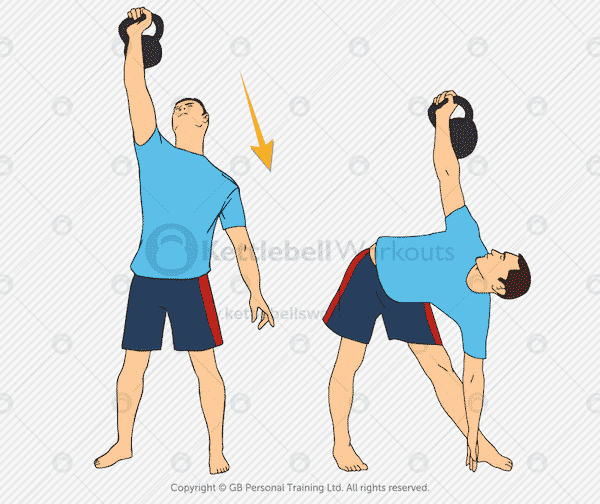
- Use carries, get-ups or other trunk work when useful.
Can You Train for More Than One Goal?
Yes. Most kettlebell programmes improve several qualities at once. The difference is where you place the emphasis.
Avoid changing goals every week. Give one training emphasis enough time to produce a measurable result. You can maintain other qualities while prioritising the one that matters most right now.
Kettlebell Workout Goal FAQs
What is the best kettlebell workout programme?
The best programme is the one that matches your primary goal, current ability, available kettlebell weights and recovery. A strength programme should be structured differently from an endurance or cardio programme.
Which kettlebell workout should a beginner choose?
Beginners should prioritise learning the fundamental movement patterns before specialising too aggressively. Deadlifts, goblet squats, rows and controlled pressing provide a useful foundation before faster exercises are added.
Can one kettlebell programme build strength and cardio?
Yes. Kettlebells can combine resistance training and conditioning effectively. However, one quality usually needs to receive greater emphasis if you want the best possible progress in that area.
How long should I follow one kettlebell programme?
Long enough to measure progression. Instead of replacing exercises constantly, keep the main movements consistent and improve repetitions, load, sets, technique or work capacity over time.
Should every kettlebell workout be full body?
No. Full-body training is practical for many people, but more experienced trainees may use upper and lower-body splits, strength-focused sessions, conditioning days or other structures depending on their goals.
Not Sure Where to Start?
If your main aim is simply to become fitter, stronger and more capable, start with a balanced full-body approach. If you are new to kettlebells, build your technique first before moving into demanding conditioning, power or endurance sessions.

Comments